


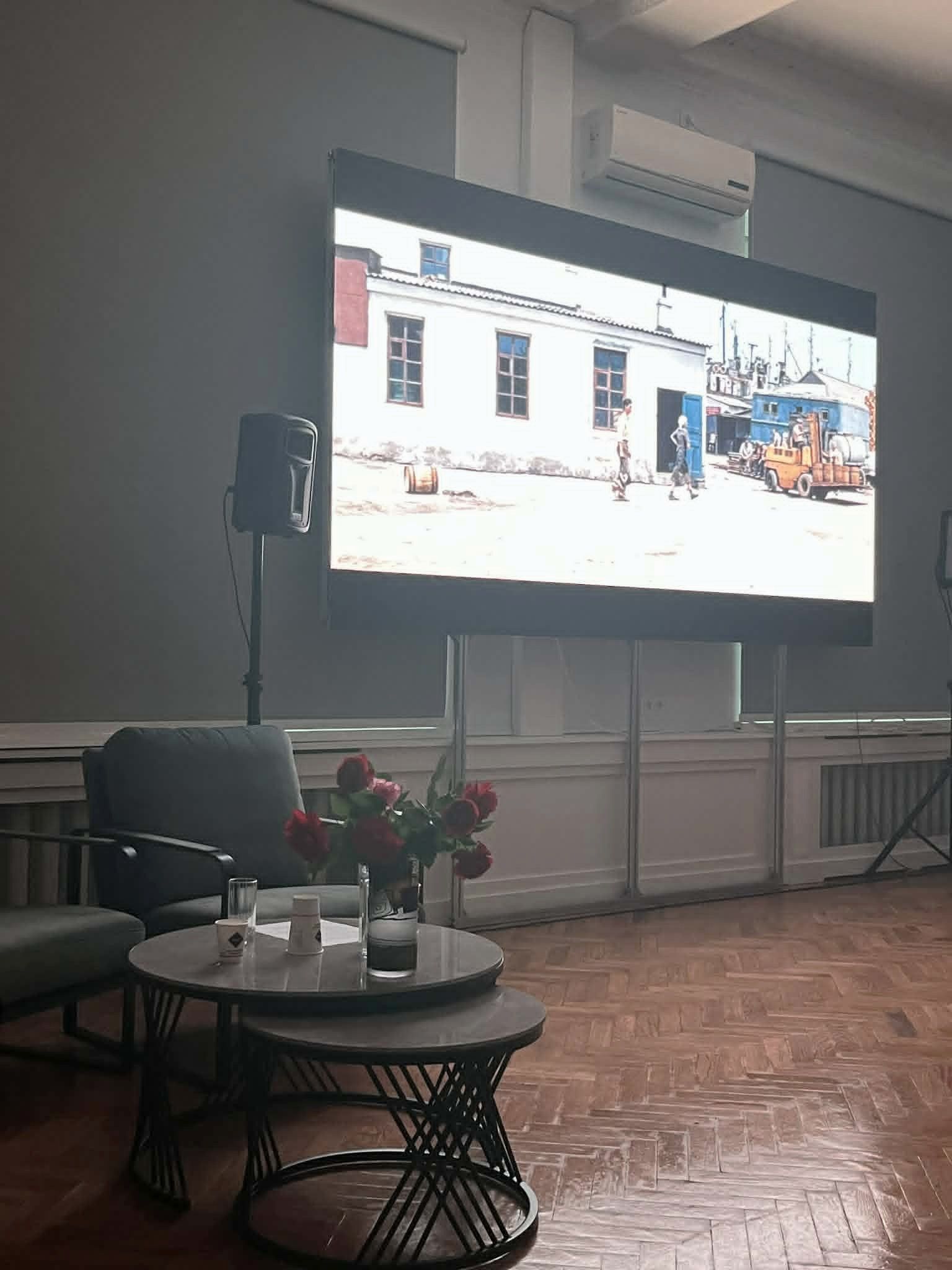
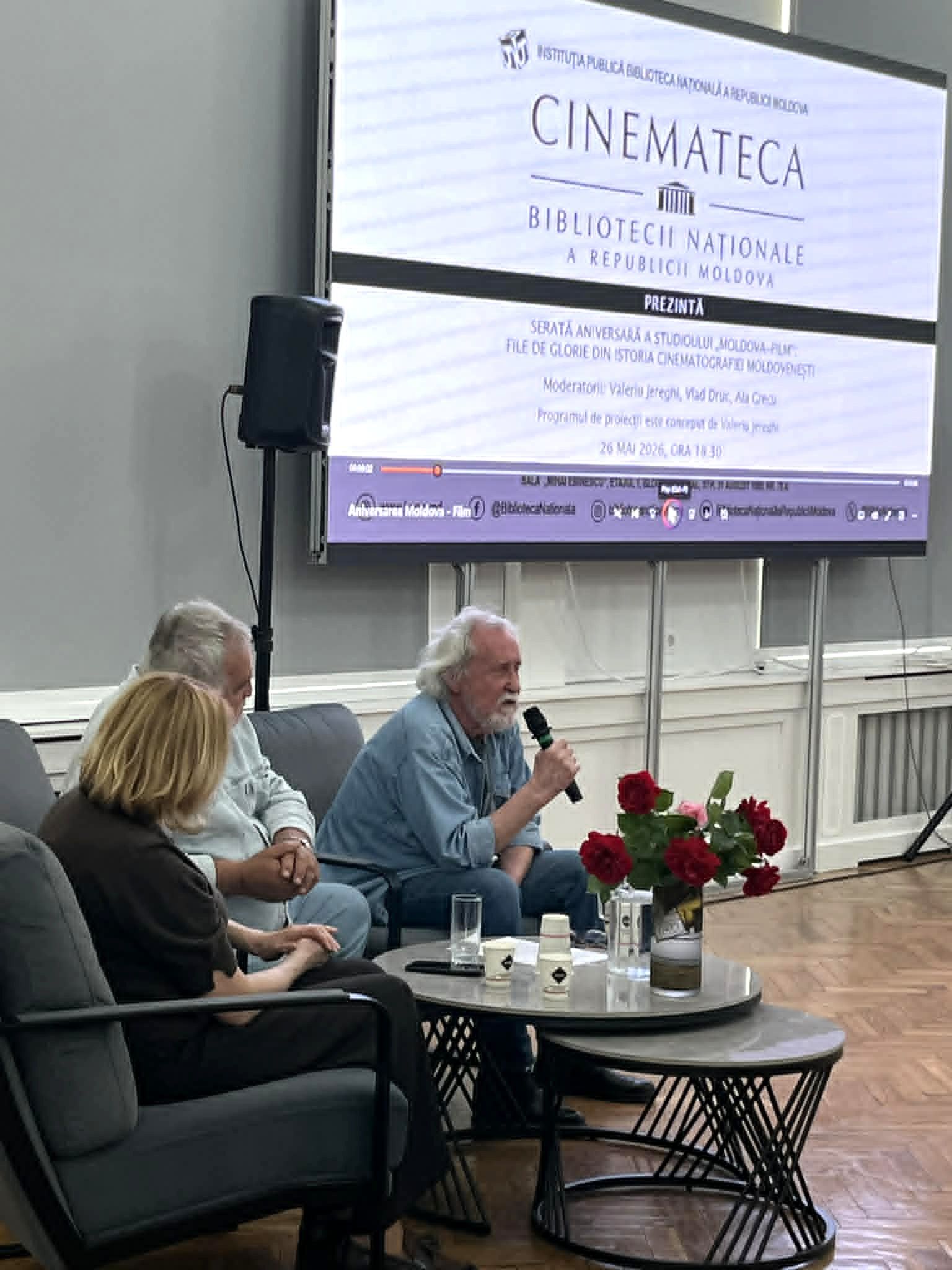
On 26 May 2026, the National Library of the Republic of Moldova hosted a new edition of its Cinematheque programme, dedicated to the anniversary of the Moldova-Film studio under the title “Pages of Glory from the History of Moldovan Cinematography”. The event continued the Library’s mission of promoting Moldovan cinema and preserving the national audio-visual heritage through cultural dialogue and public engagement.
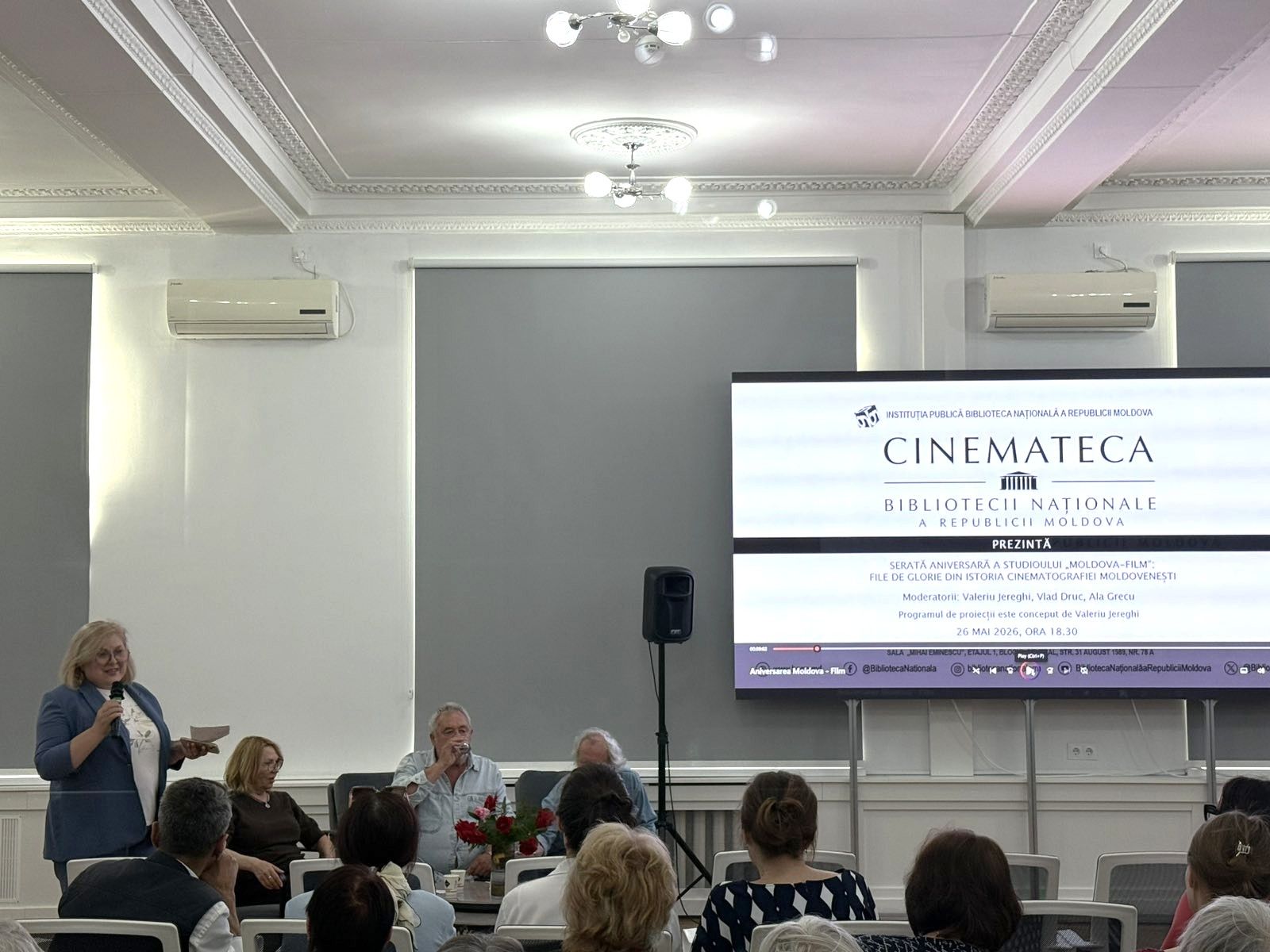
The event was opened by Elena Pintilei, Director General of the National Library of the Republic of Moldova, who highlighted the importance of safeguarding and promoting audio-visual heritage as an essential component of cultural memory and national identity.
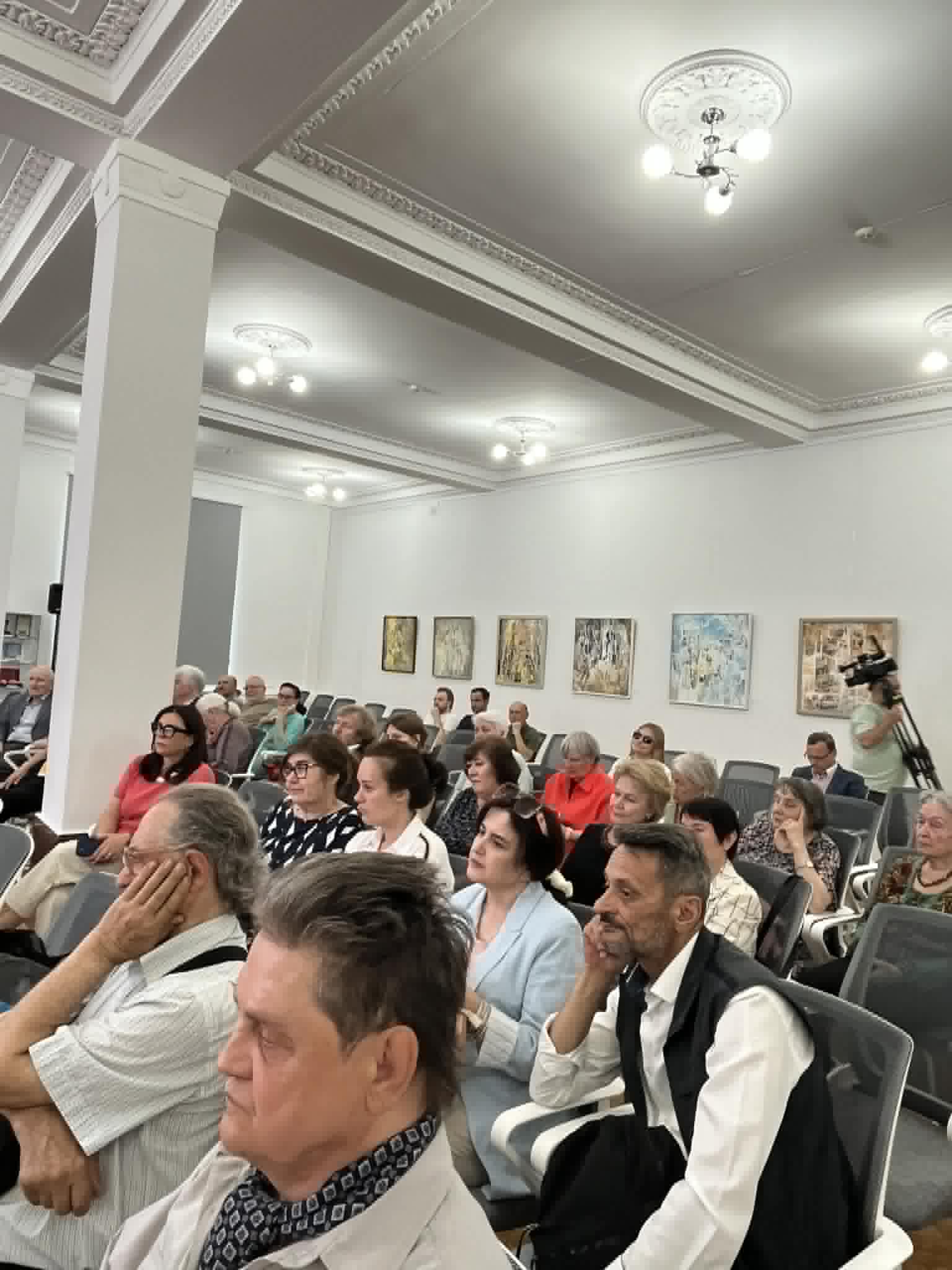
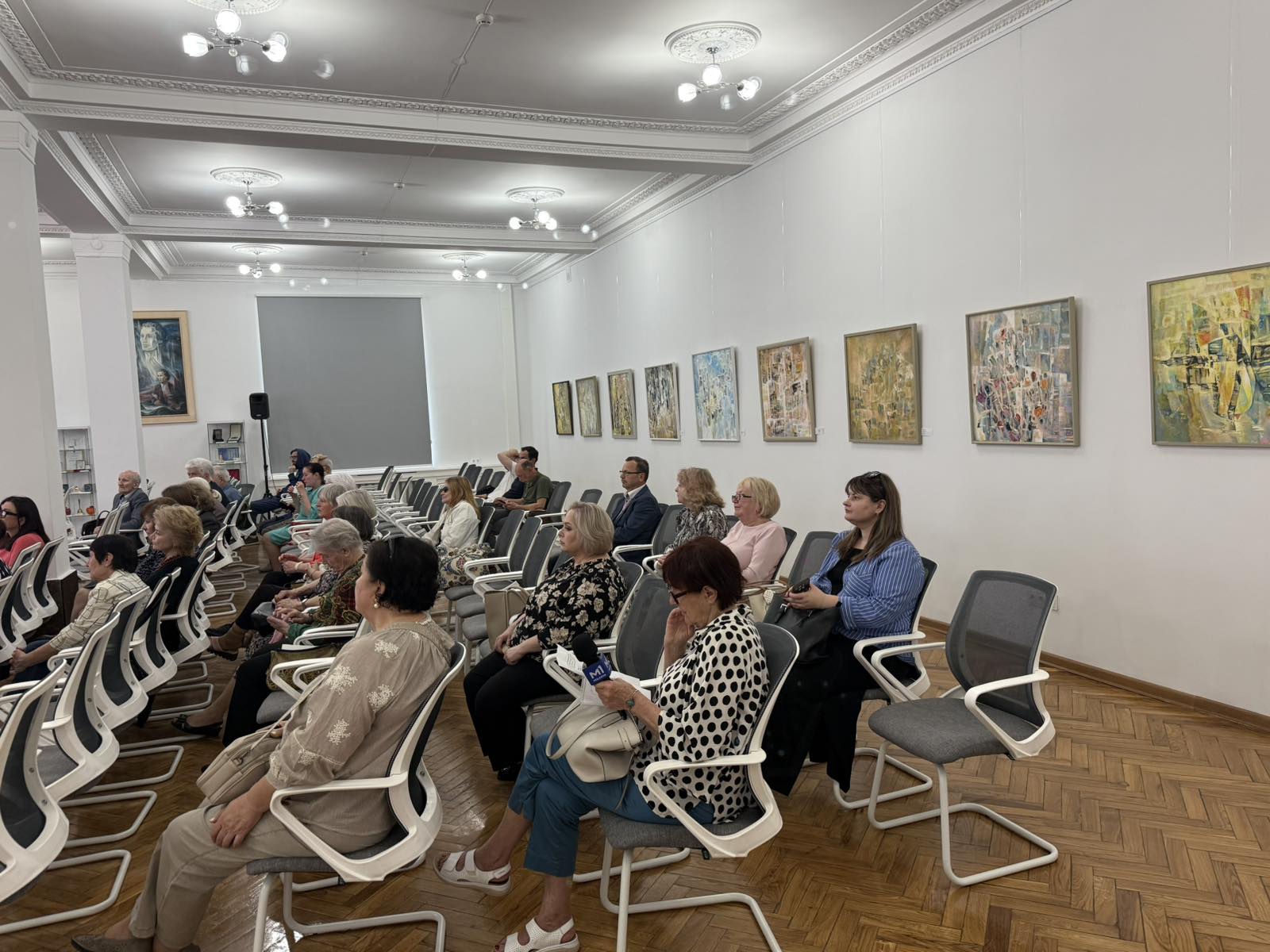
The Cinematheque brought together film enthusiasts, cultural figures, representatives of creative unions, academics, and lovers of cinema in an atmosphere of reflection and rediscovery of the values of Moldovan film. The initiative aimed to bring national cinematographic heritage back into public attention, to celebrate the work of Moldova’s great filmmakers, and to encourage dialogue about the role of cinema in contemporary society.
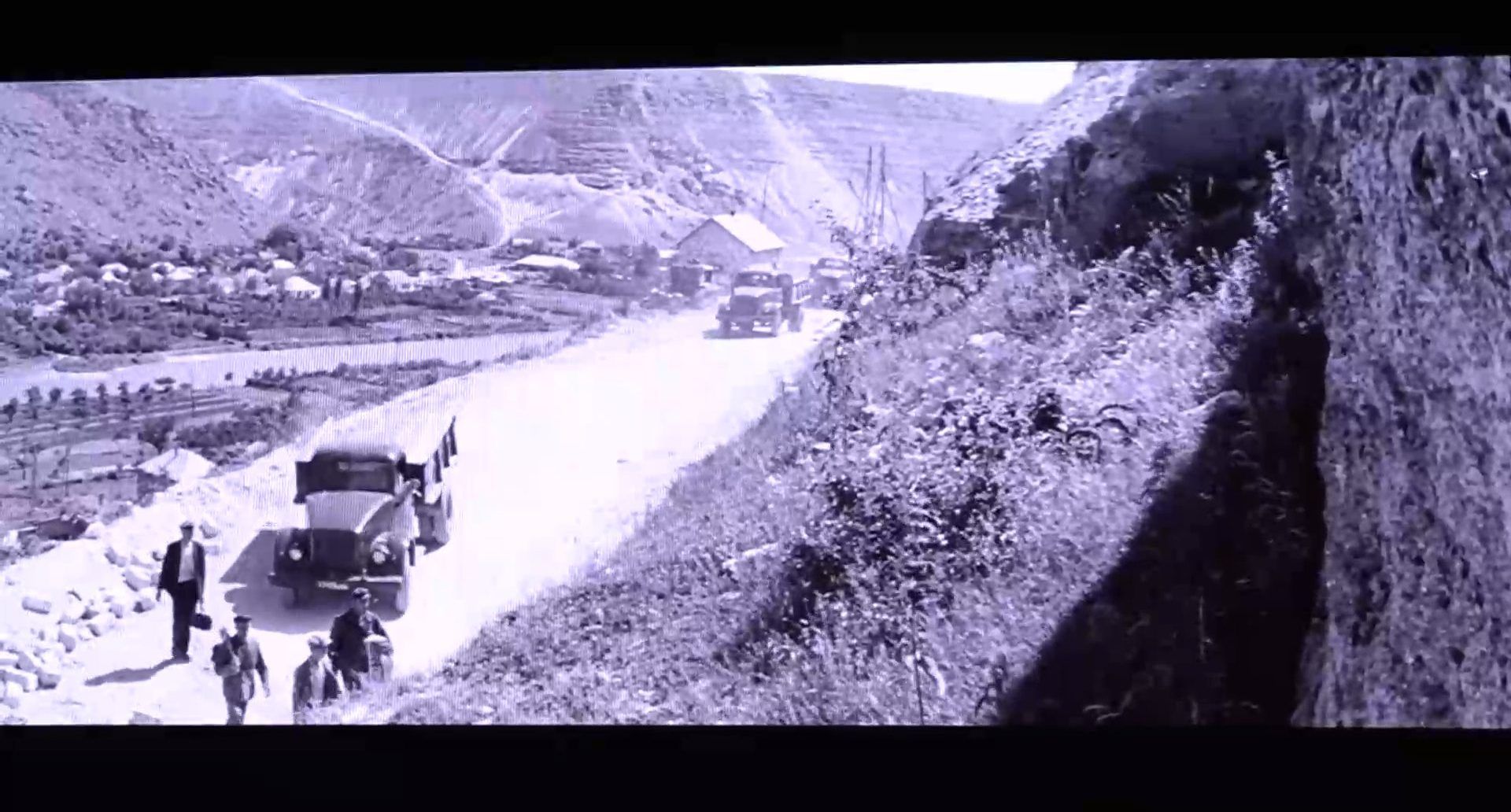
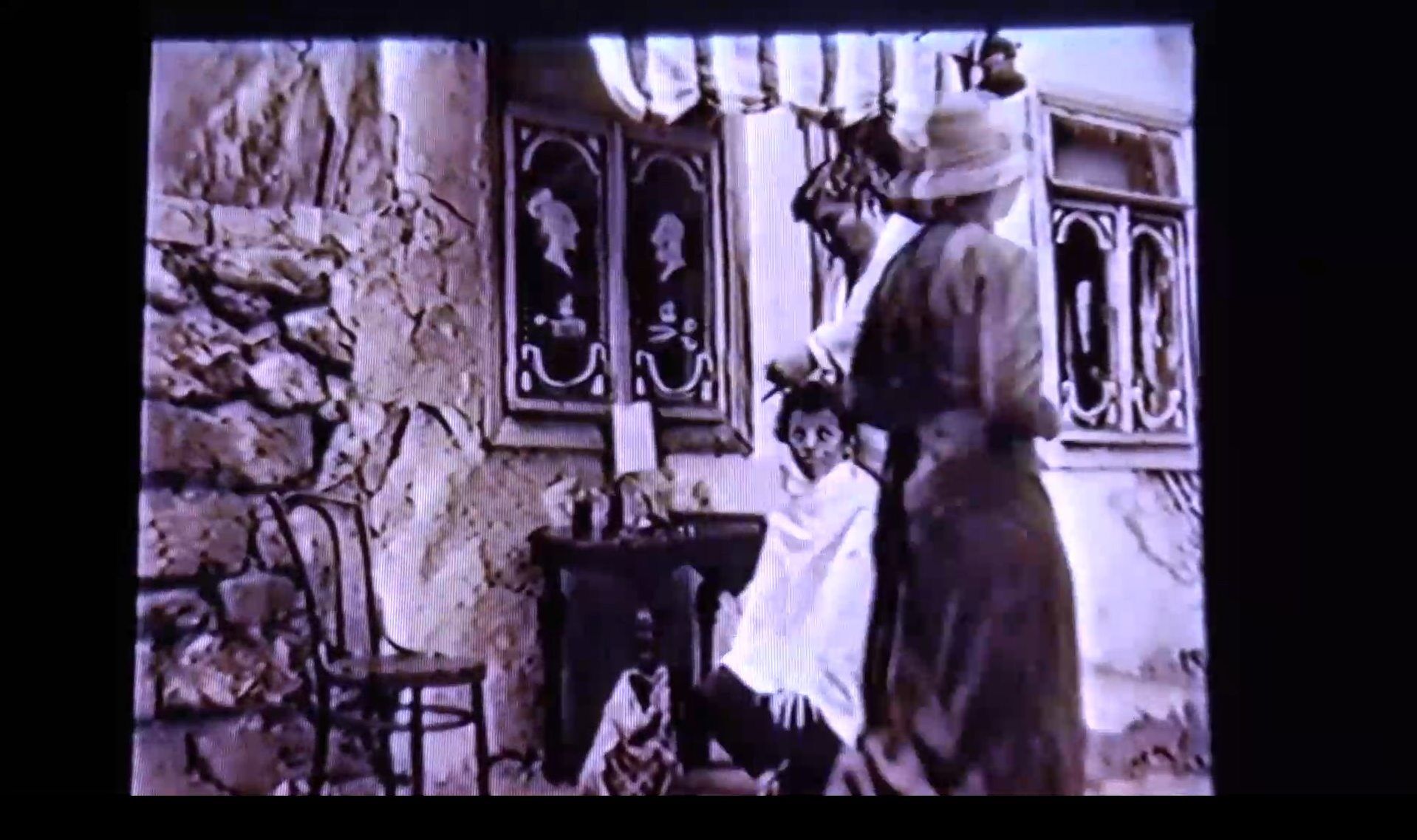
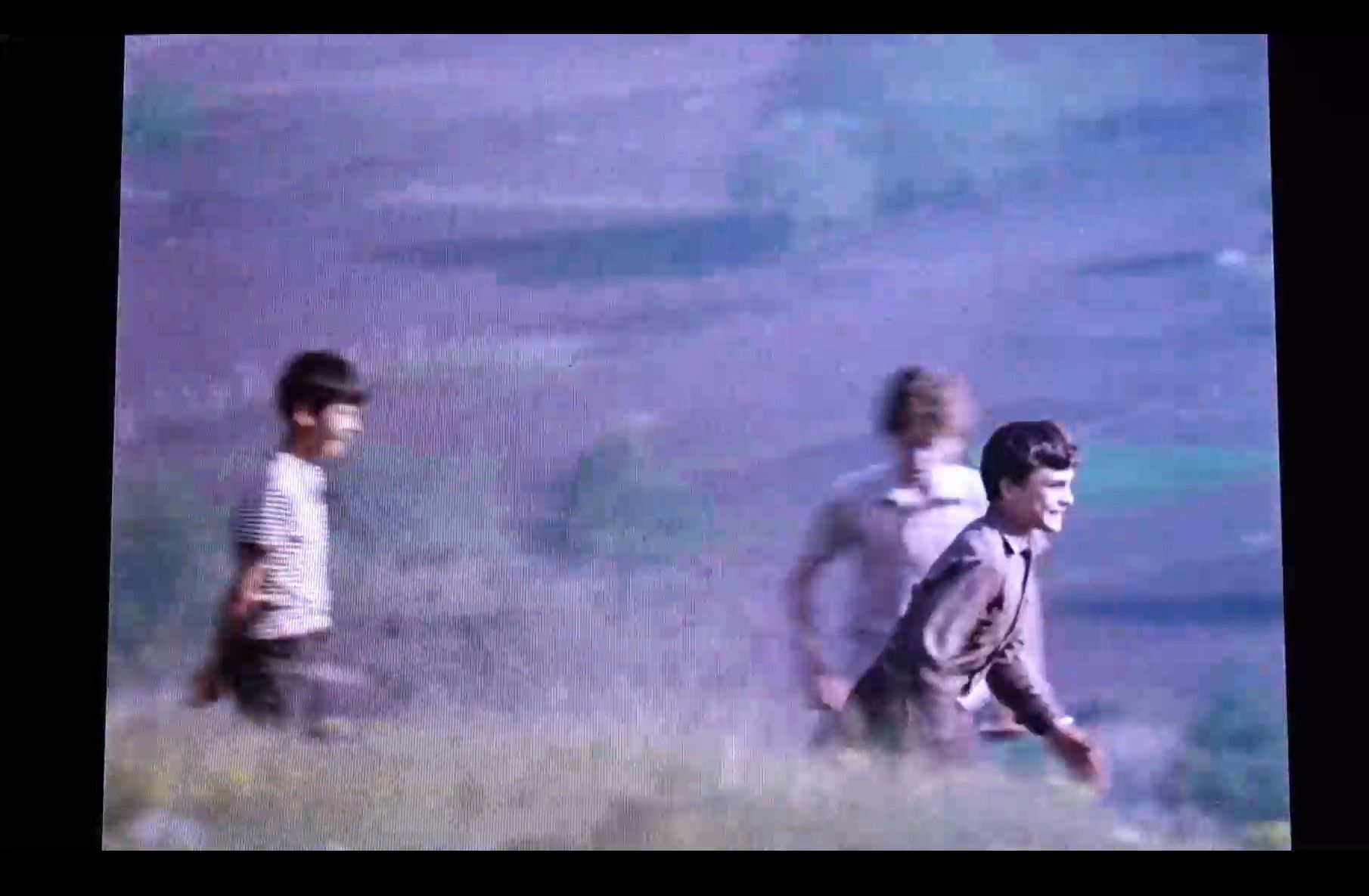
The audience had the opportunity to watch excerpts from documentary and feature films created between 1954 and 1997 by some of the most prominent directors of Moldovan cinematography, including Vlad Ioviță, Gheorghe Vodă, Mihail Kalik, Emil Loteanu, Anatol Codru, Vlad Druc, Valeriu Jereghi, Vasile Pascaru, and Serghei Paradjanov. These productions have shaped the cultural memory of several generations and represented the Republic of Moldova on international film stages.
The programme included fragments from documentary films such as The Well (1966), Autumn Motifs (1966), Stone by Stone (1966), The Wrestling Match (1968), The Games of Our Childhood (1985), Gleb (1992), and Call Them Back, Lord… (1997), alongside excerpts from landmark feature films including Andrieș (1954), The Outlaw Ballad (1958), A Man Follows the Sun (1961), The Last Month of Autumn (1965), The Taste of Bread (1966), Red Glades (1966), A Guard Is Wanted (1967), To Love… (1968), The Lăutars (1971), The Swan Crosses the Water (1982), He Could Have Had Another Fate (1983), and The Wooden Cannon (1987).
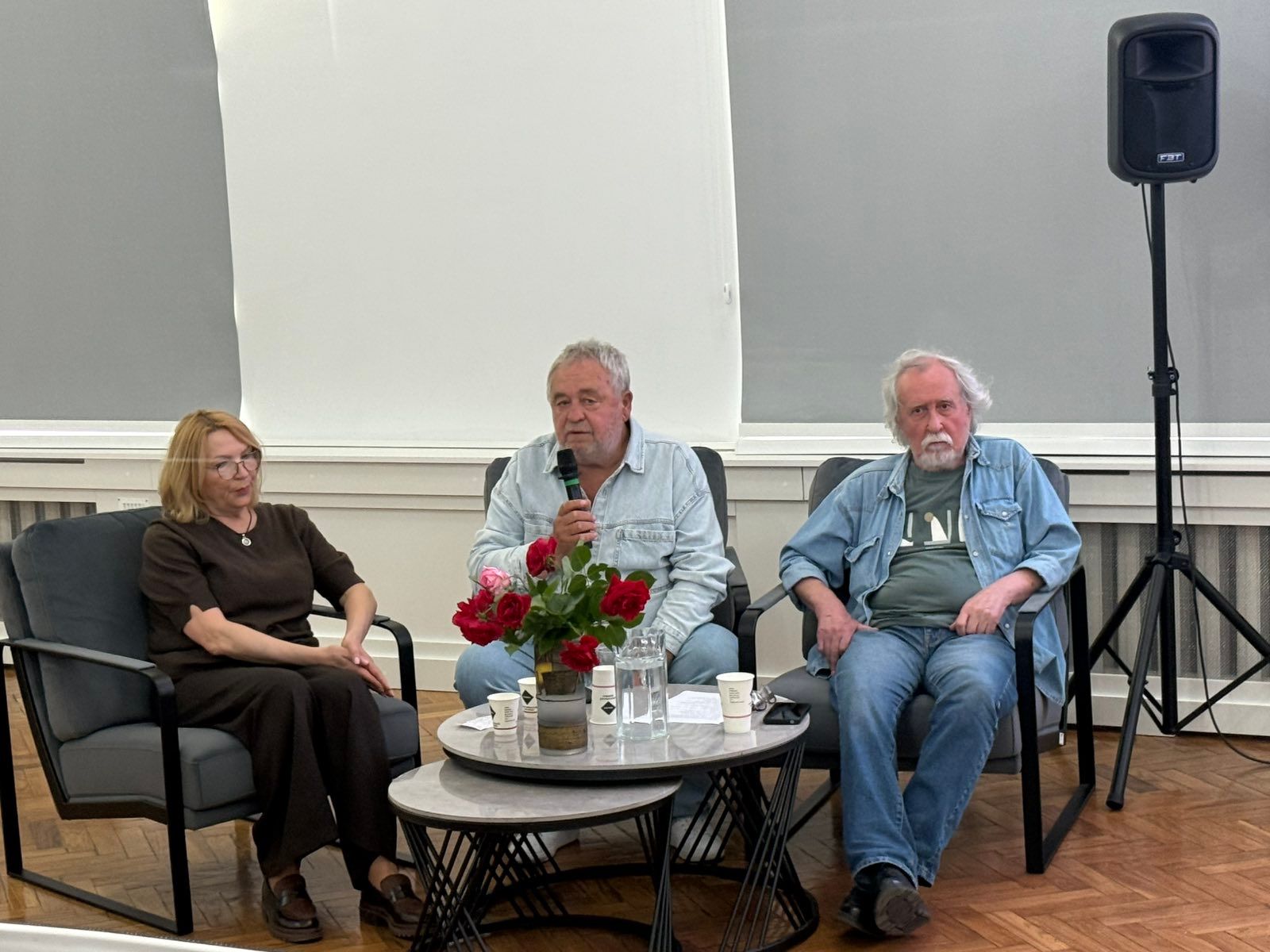
The film programme was curated by filmmaker Valeriu Jereghi, who, together with Ala Grecu and Vlad Druc, moderated discussions on the evolution of Moldovan cinema, cultural memory, and the importance of preserving audiovisual heritage. The Cinematheque also served as a platform for dialogue between generations and artistic professions, highlighting cinema as a meeting point for literature, music, theatre, visual arts, and cultural journalism.
Representatives of the Union of Filmmakers, the Union of Writers, the Union of Visual Artists, the Union of Musicians, the Theatrical Union, the Union of Composers and Musicologists, as well as the Academy of Music, Theatre and Fine Arts, took part in the public and professional discussions dedicated to the role of cinematography in society, the preservation of audiovisual heritage, and the importance of cultural solidarity across artistic fields.
The event offered participants the opportunity to rediscover valuable cinematic works and to reflect on the enduring contribution of the Moldova-Film studio to the development of national culture and identity.
Text by: PINTILEI Elena, General Director, NLRM
Translated by: KIRIAKOV Mariana, main specialist, Managerial Support and International Relation section, NLRM
Links:
Video:
 © National Library of Moldova
  © National Library of Moldova
  © National Library of Moldova
  © National Library of Moldova
  © National Library of Moldova
  © National Library of Moldova
  © National Library of Moldova
  © National Library of Moldova
  © National Library of Moldova