


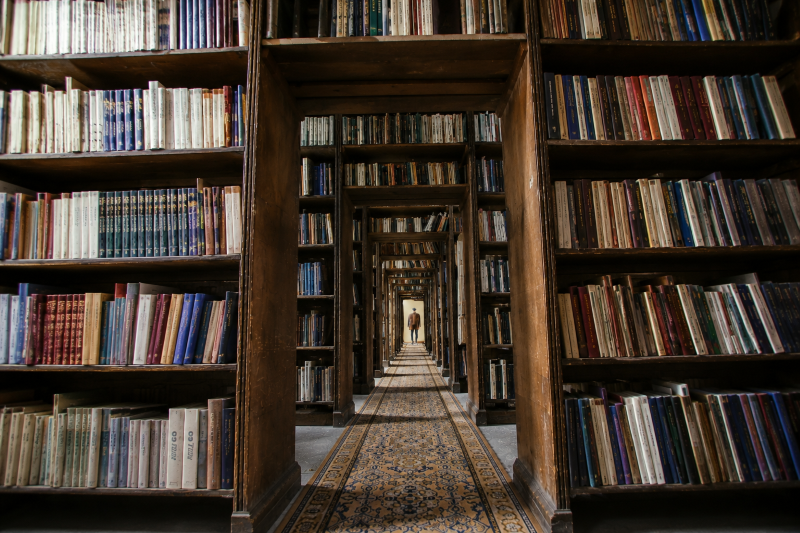
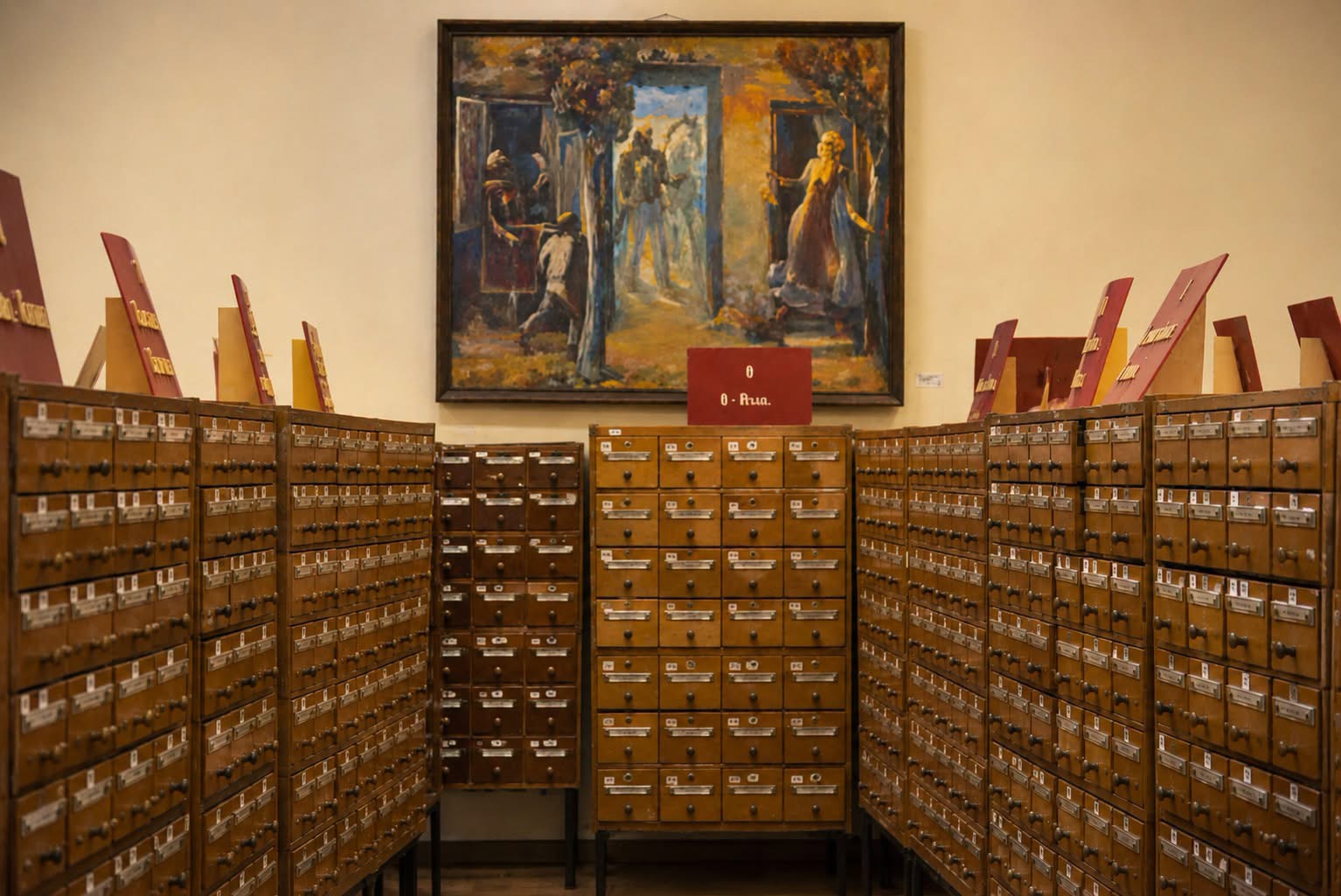
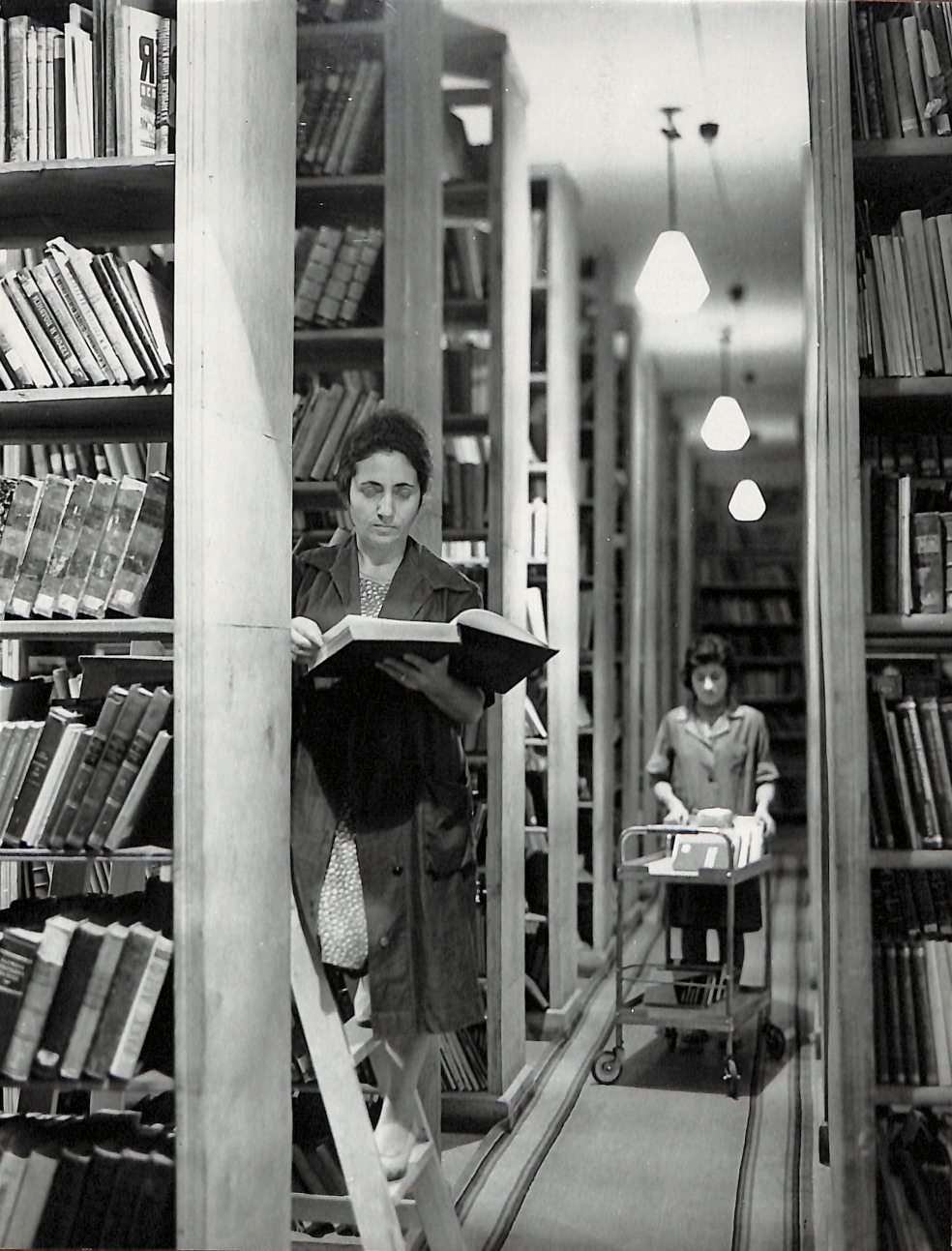
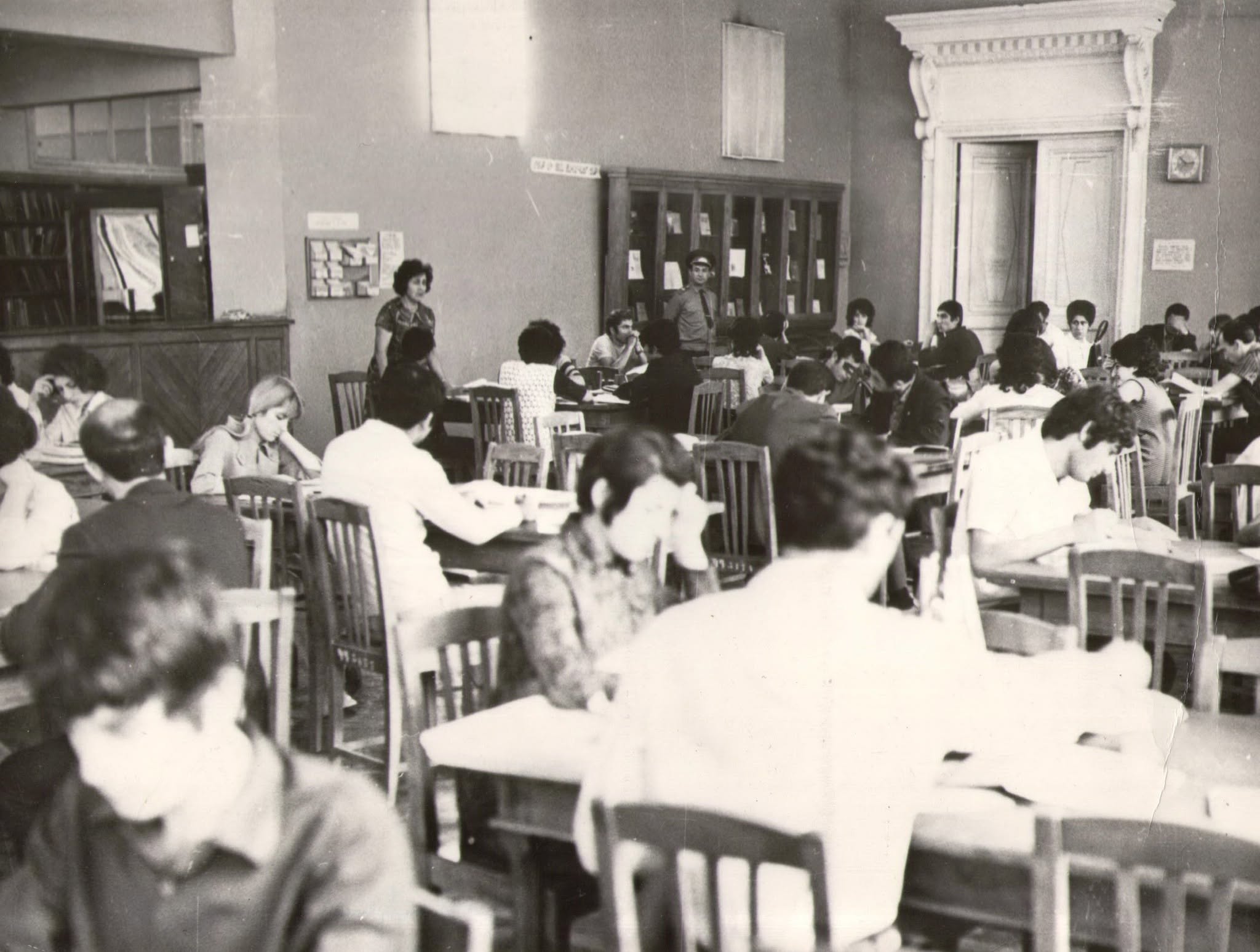
 The National Library of Armenia (NLA) is the world’s largest repository of Armenian printed heritage and the center of the national bibliography. As a scientific, cultural, and information institution, the library creates the necessary conditions for collecting, processing, preserving, and promoting Armenian cultural heritage. The library’s collections were originally formed based on the personal libraries of prominent state, public and cultural figures, as well as the collections of educational institutions.
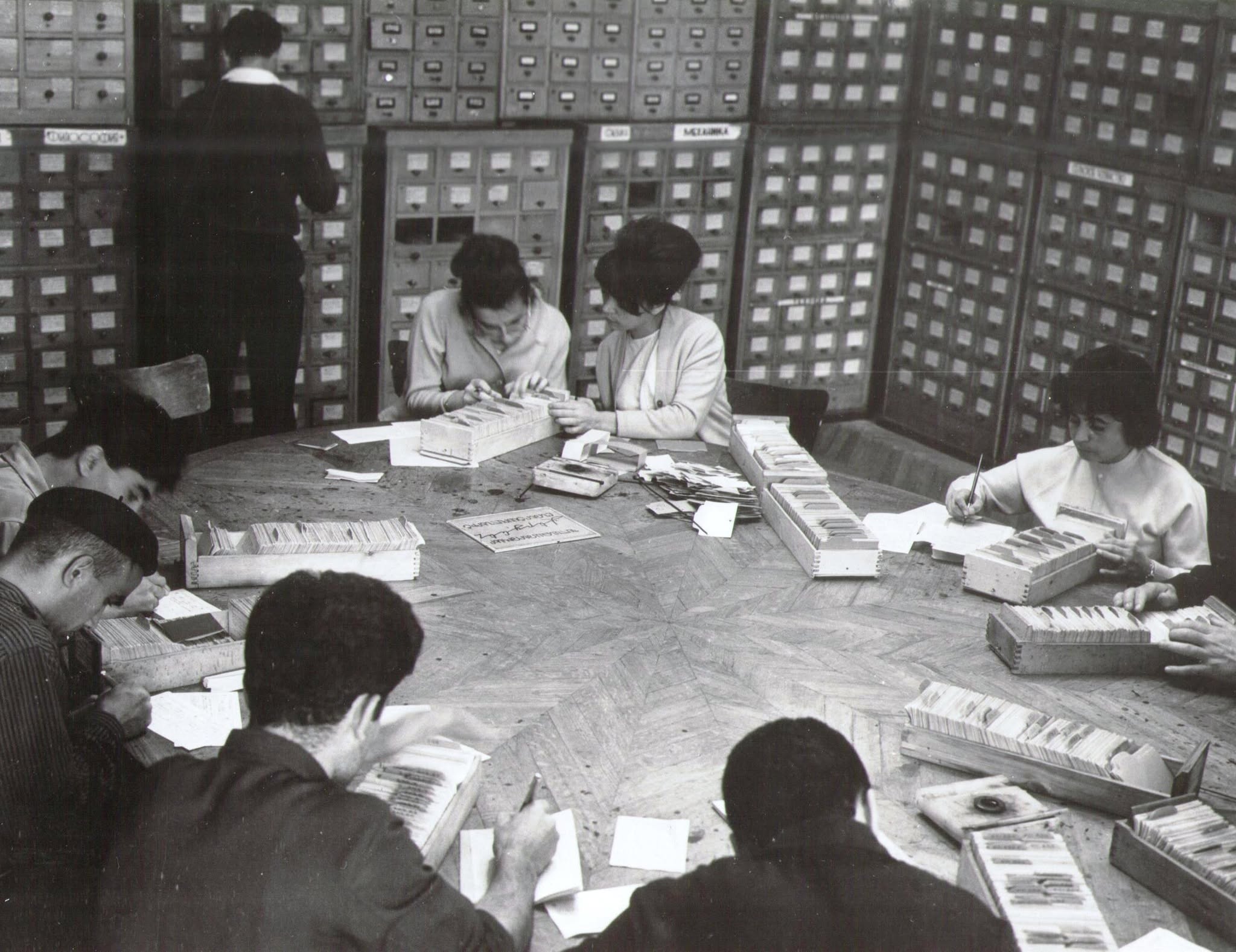
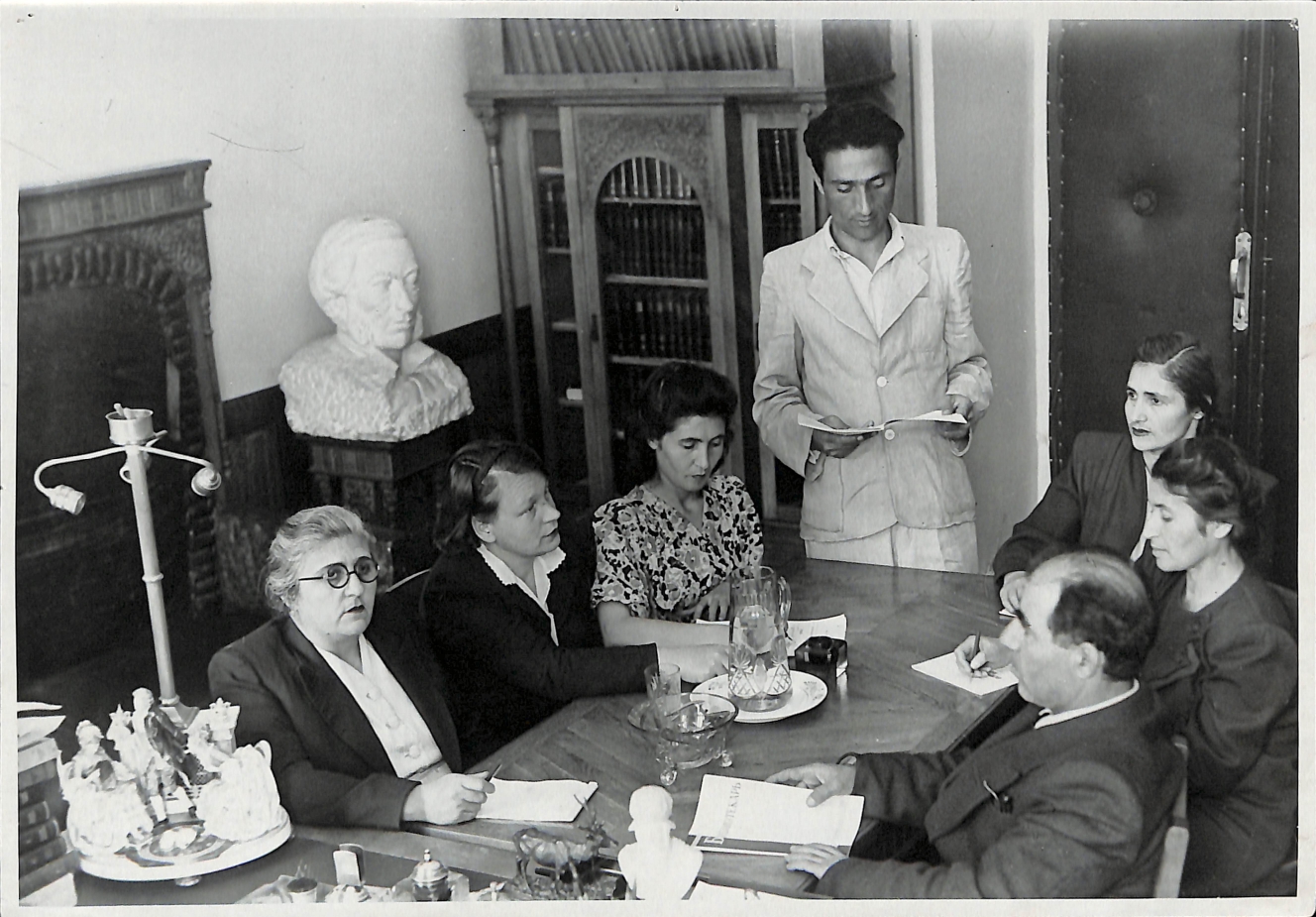
The history of the National Library of Armenia dates back to 1832, when the library of the Yerevan Male Gymnasium was established. Its 18,000 items formed the basis of the National Library of Armenia’s collection. On July 4, 1919, during the council meeting of the ministers of Armenia, a law on “the National Public Book Depository” was adopted. Since 1999, July 4th has been celebrated as National Library of Armenia Day.
The National Library of Armenia is more than a library—it is the memory of a nation. Preserving centuries of Armenian intellectual and cultural heritage, it connects the past with the future through its vast collections, historic architecture, and commitment to education, research, and public access to knowledge. As one of Armenia’s most important cultural institutions, it welcomes visitors to explore the rich legacy of Armenian literature, history, and scholarship.
Our mission is:
Facts about the National Library of Armenia:
Beyond Screens, Between Pages: The Secret Life of a Library Booth
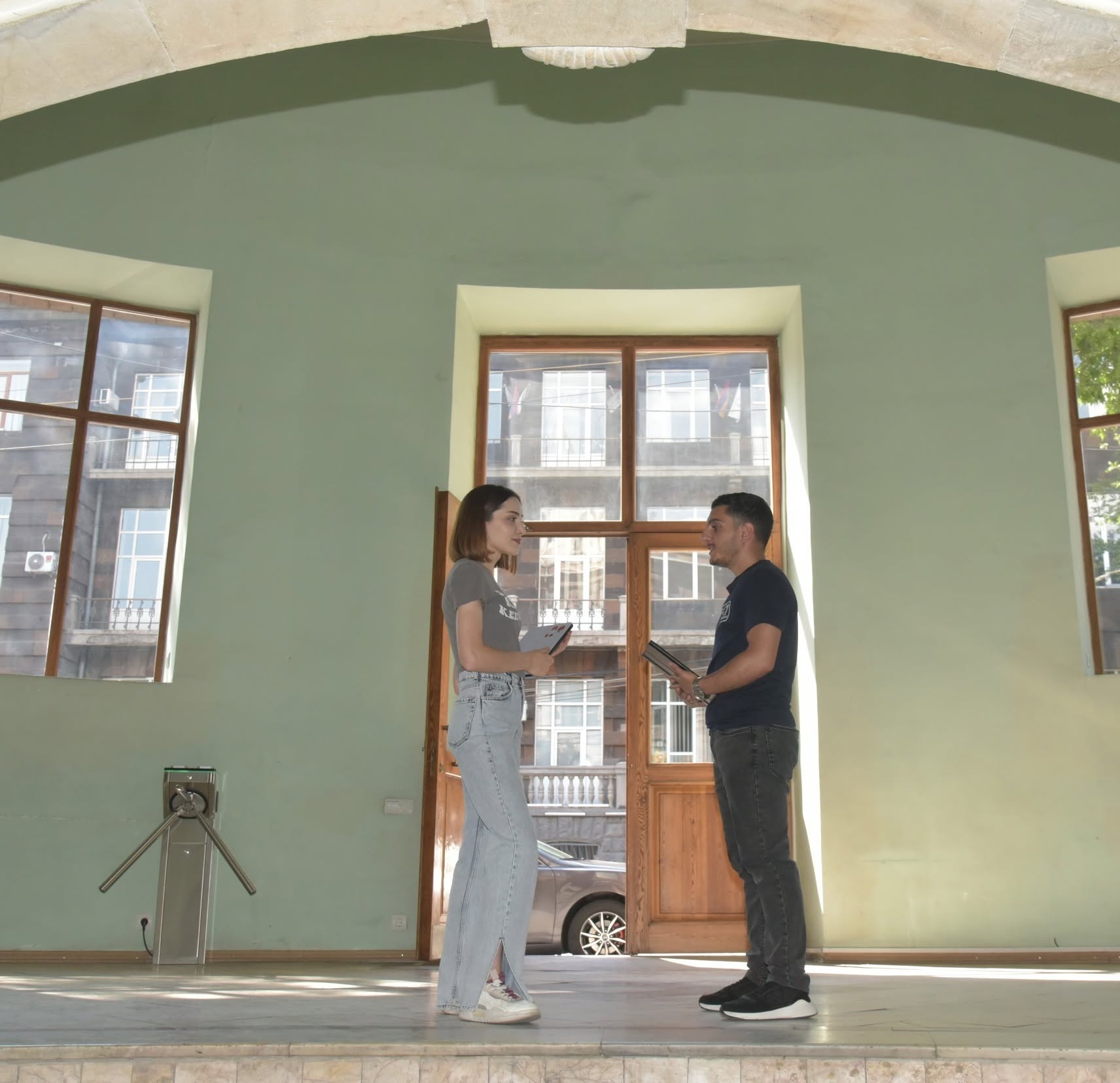
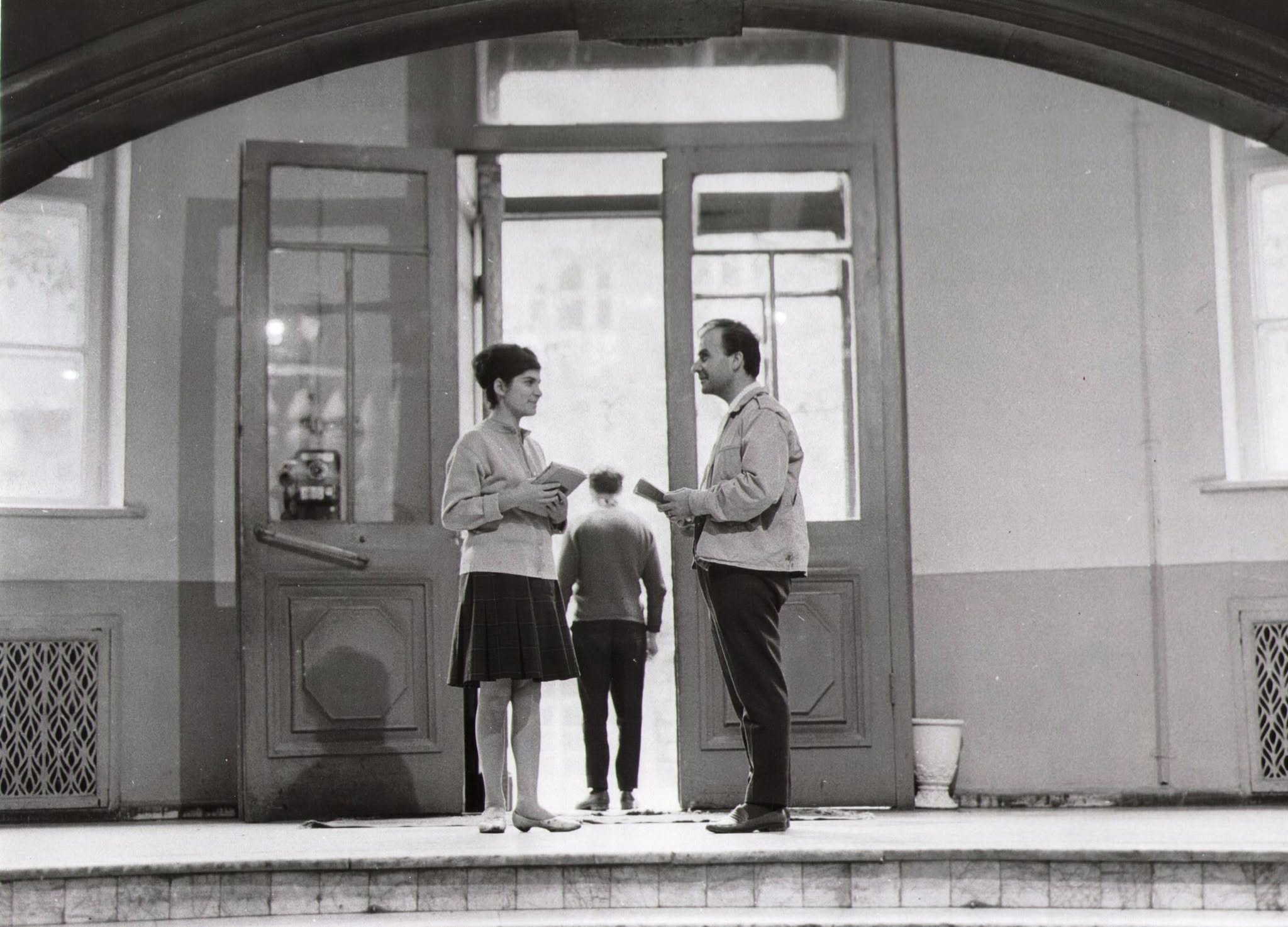
At the National Library of Armenia stands a small but remarkable feature known as the Booth of Western Armenian Poetry created by modern artist Gohar Sargsyan. It was originally created as a space where users could write poetry, exchange thoughts, and practice writing in Western Armenian. Over time, however, the booth has come to serve a much greater purpose than its original one. The library users and students leave not only poems, but also anonymous messages, words of encouragement, questions, and invitations. Conversations begin on paper, friendships take shape, and, on occasion, strangers arrange to meet in the library garden. One note became especially memorable: a young man left a note and invited a young woman to meet in the garden. She replied, “How will I recognize you?” His answer was both simple and thoughtful: “Carry the flower I left with my previous note”. Sometimes the most memorable stories in a library are not written in its books. They begin with a handwritten note, quietly waiting inside a booth.
Read more on the national library’s page on CENL.
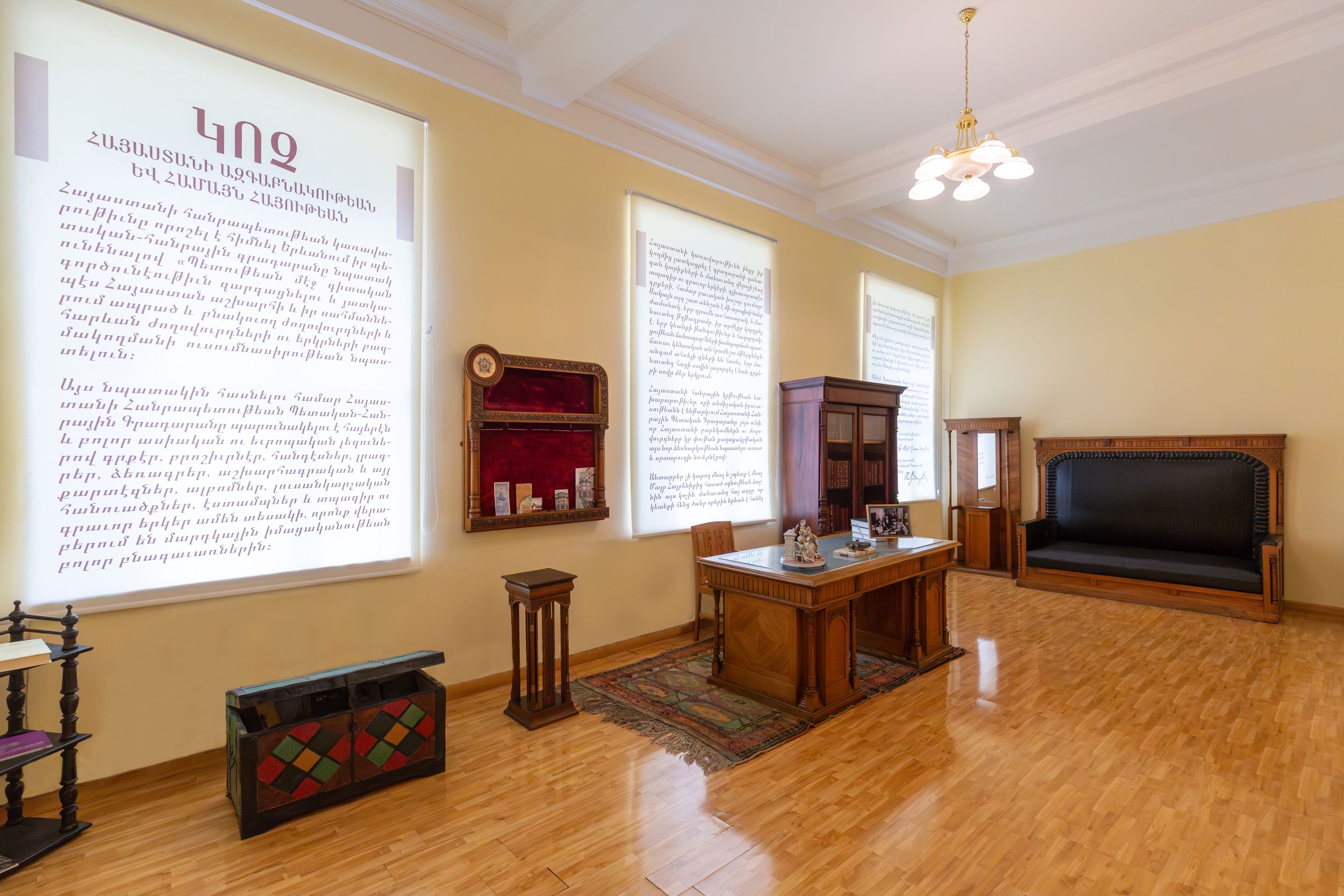 © National Library of Armenia
 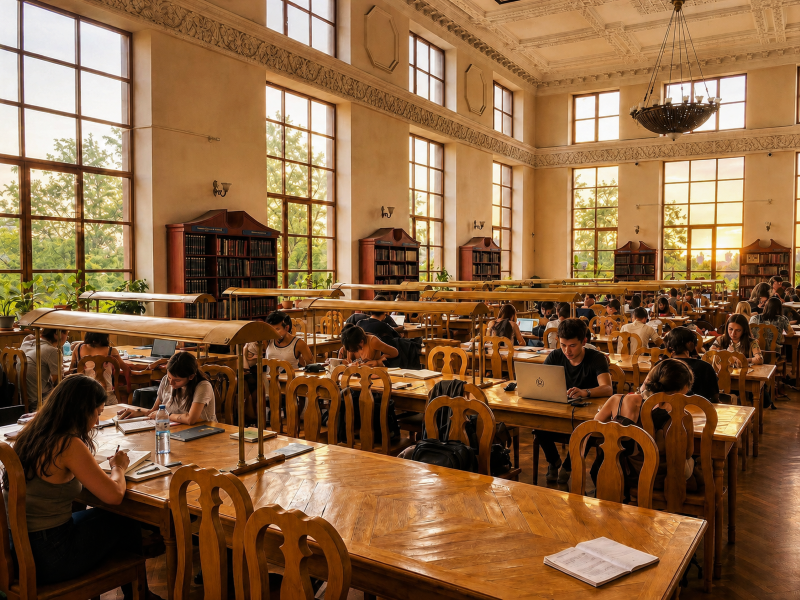 © National Library of Armenia
 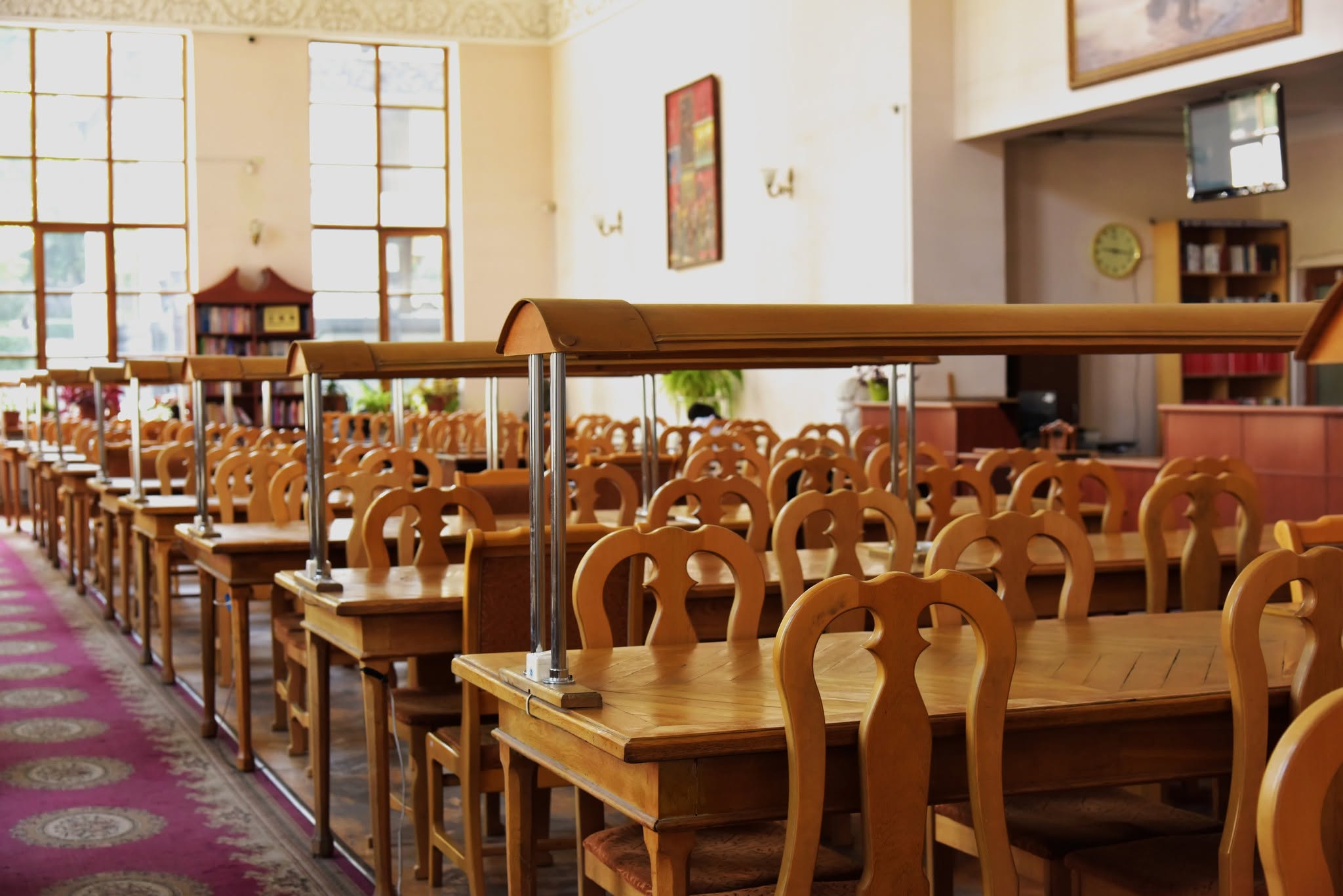 © National Library of Armenia
  © National Library of Armenia
 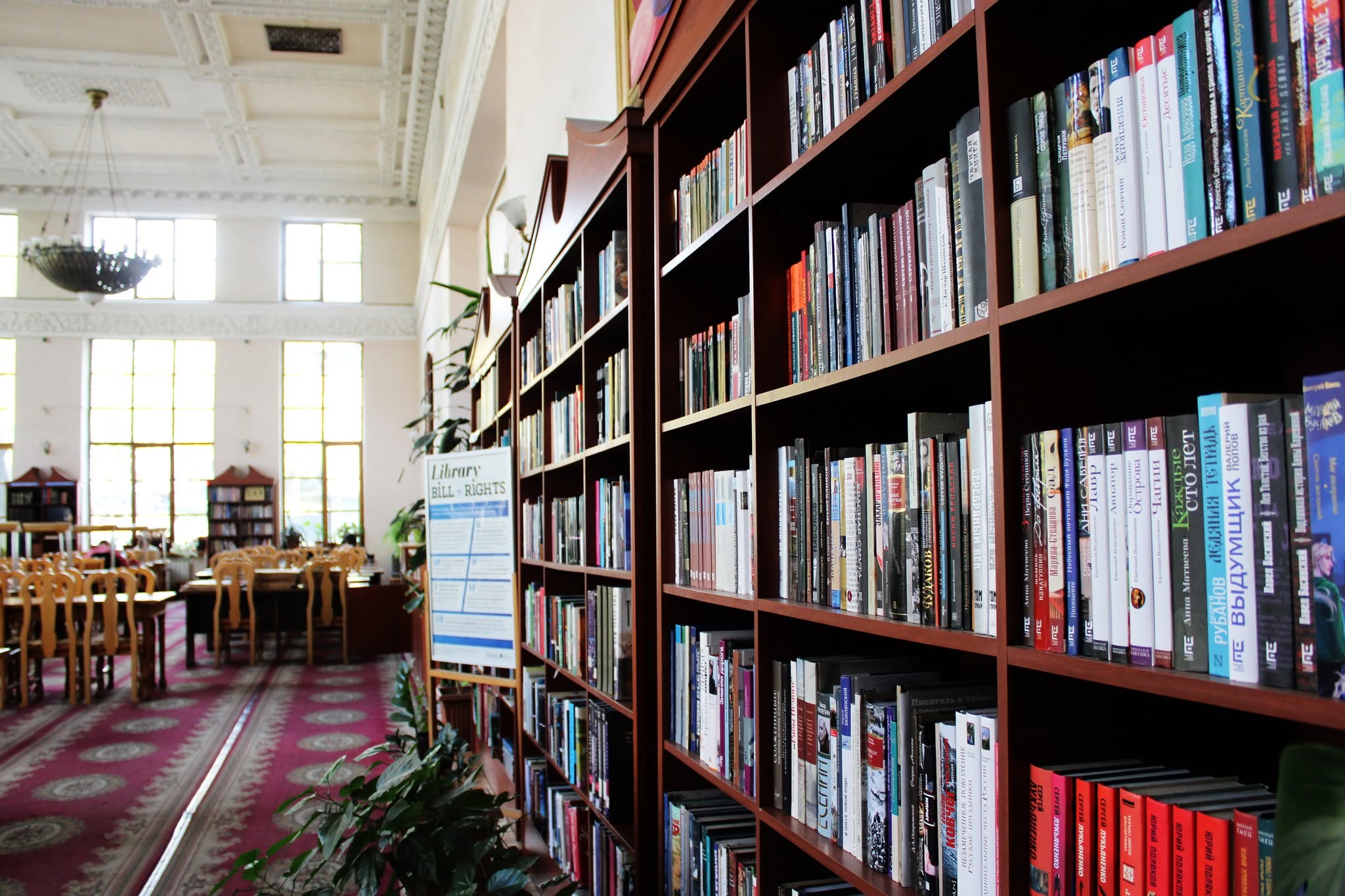 © National Library of Armenia
  © National Library of Armenia
  © National Library of Armenia
  © National Library of Armenia
  © National Library of Armenia
  © National Library of Armenia
  © National Library of Armenia
  © National Library of Armenia
  © National Library of Armenia
  © National Library of Armenia
  © National Library of Armenia