The roots of the National Library of Romania date back to 1833, when the first legal document referring to the establishment of a collection for the national library was issued. In 1838, its first reading room opened to the public at Saint Sava National College, housing a collection of 10,000 volumes.

In the following decades, the institution underwent major transformations, adopting modern library practices. In 1861, it was relocated to new headquarters in the recently inaugurated University of Bucharest building. It remained active until 1901, when it was dissolved by Royal Decree and its collections were transferred to the Romanian Academy.
Re-established in 1955 as the Central State Library, the institution gradually assumed key national responsibilities, including serving as the Central Legal Deposit; compiling the National Bibliography; acting as the Methodological Centre for Public Libraries; coordinating International Exchange of Documents; developing the National Book Reserve; operating the Documentation and Information Centre for Culture; and managing the Regional Laboratory for Book Conservation, Restoration, and Preservation.
After 1990, it officially became the National Library of Romania, reinforcing its role as the custodian of Romania’s written heritage and adapting to contemporary challenges through digitization, international cooperation, and the development of innovative services for users.
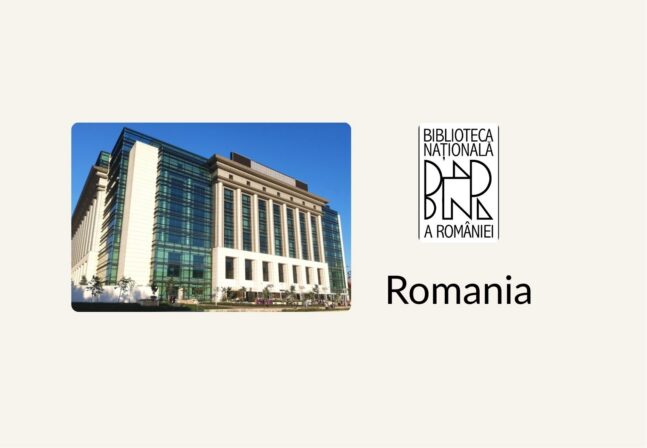
In 2012, the Library moved to its current modern headquarters, marking a new stage in its development as a major cultural institution.
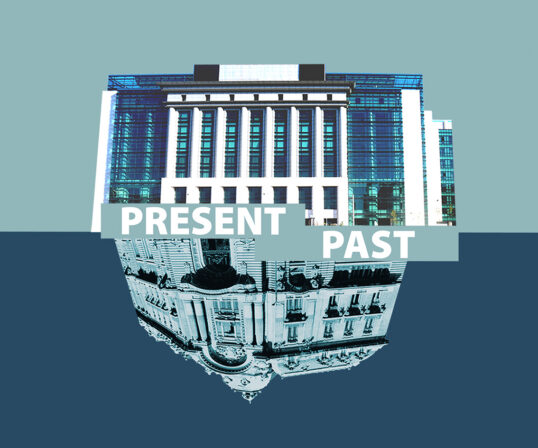
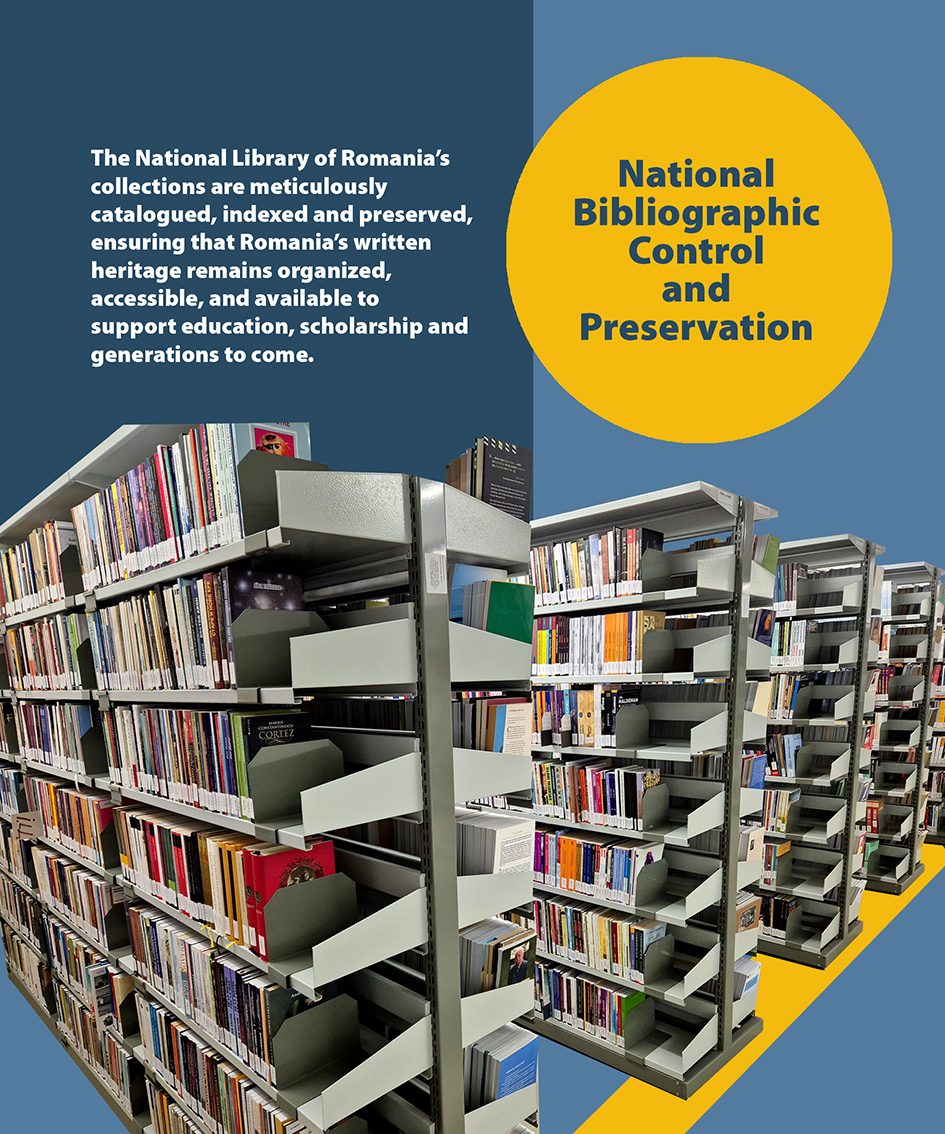
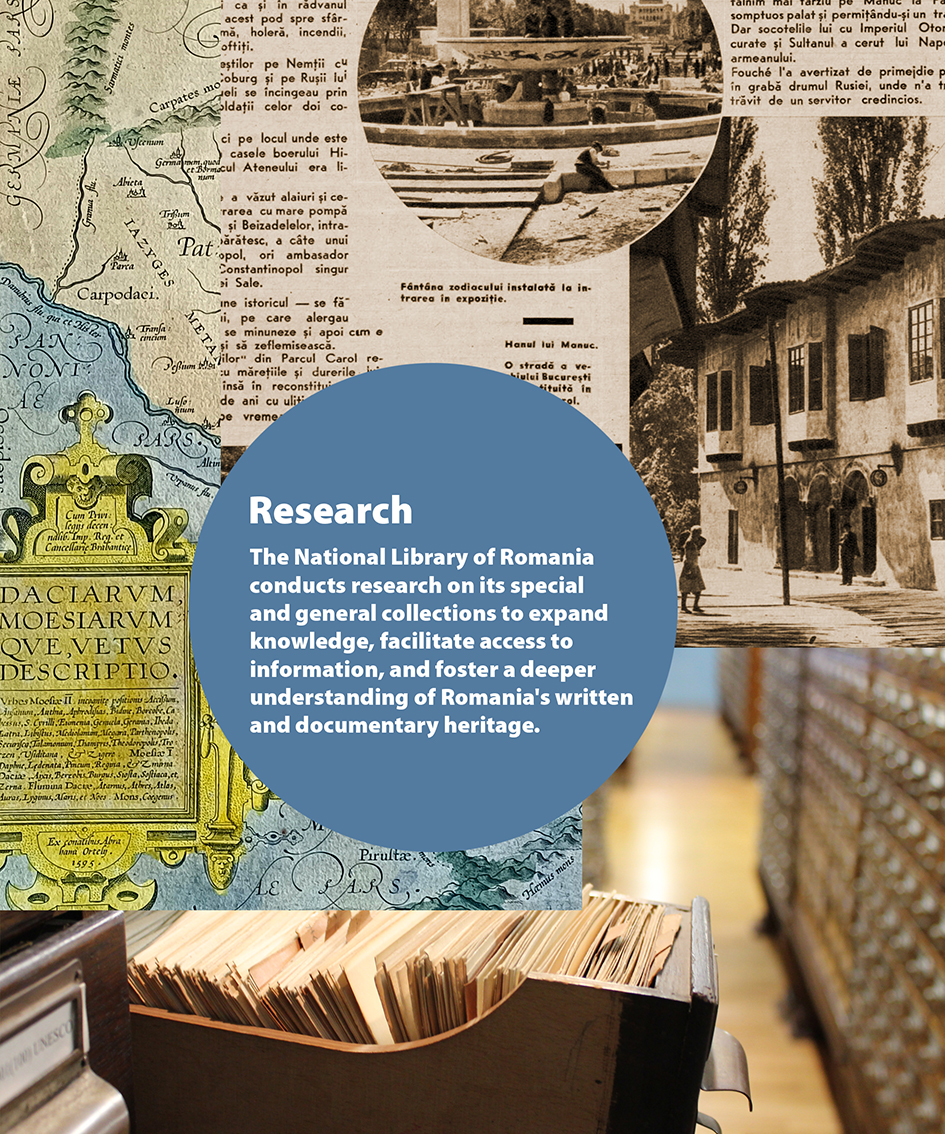
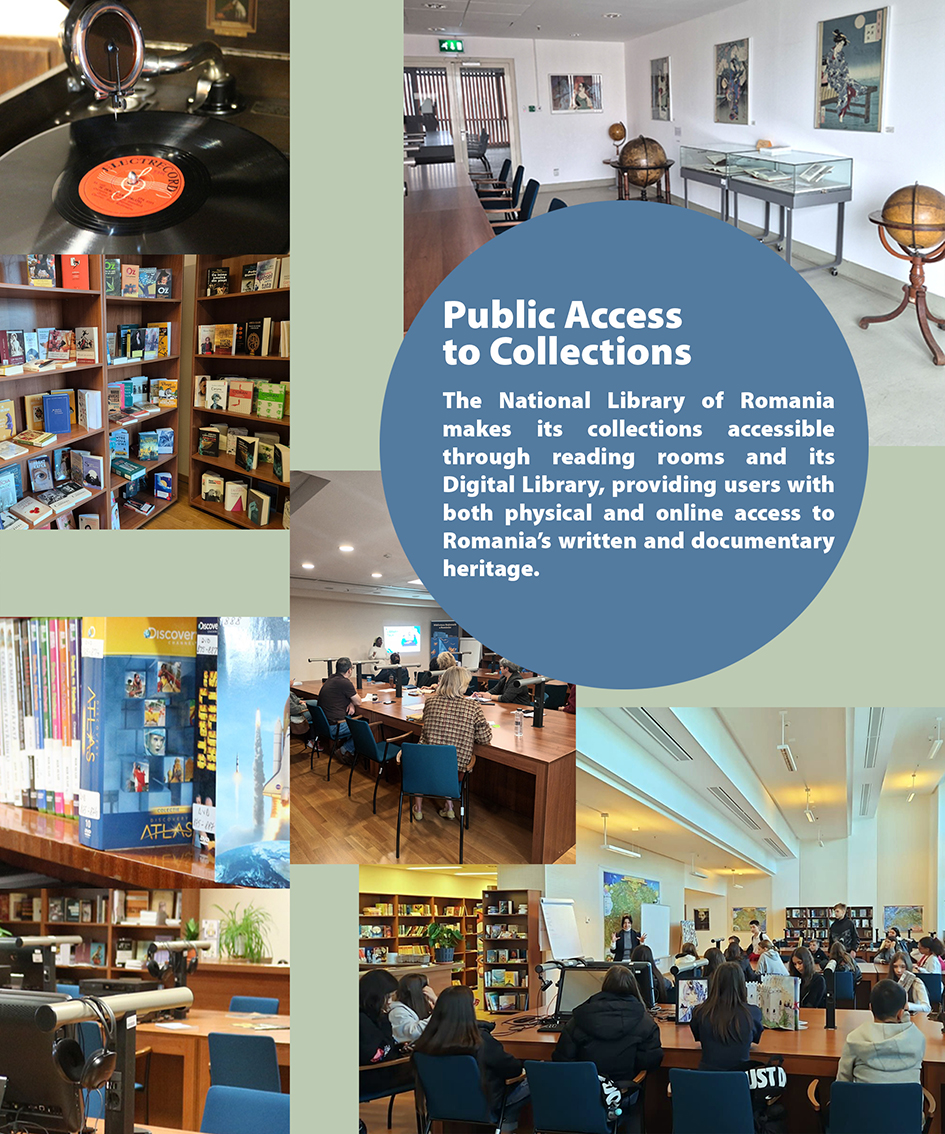
Today, the National Library of Romania plays a fundamental role in preserving, protecting, and promoting the country’s written cultural heritage. Through its valuable collections of books, manuscripts, historical documents, and other documentary resources, the Library safeguards the memory and intellectual legacy of Romania. At the same time, it supports education, research, and public access to knowledge, serving as a major cultural institution dedicated to the preservation and transmission of national heritage to future generations.
Read more on the national library’s page on CENL.