


How can reading become a lasting part of national culture in a rapidly changing digital environment?
What role can libraries play in bringing generations together around books?
And how can digital technologies and artificial intelligence be used to promote reading without replacing deep reading and human dialogue?
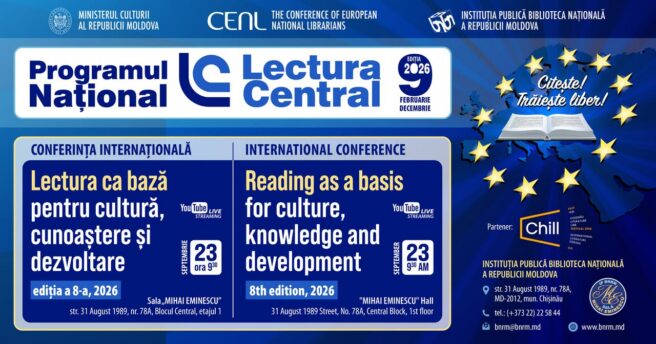
These questions were at the heart of the 8th International Conference “Reading as a Basis for Culture, Knowledge and Development”, held on 23 September 2026 at the National Library of the Republic of Moldova in Chișinău.
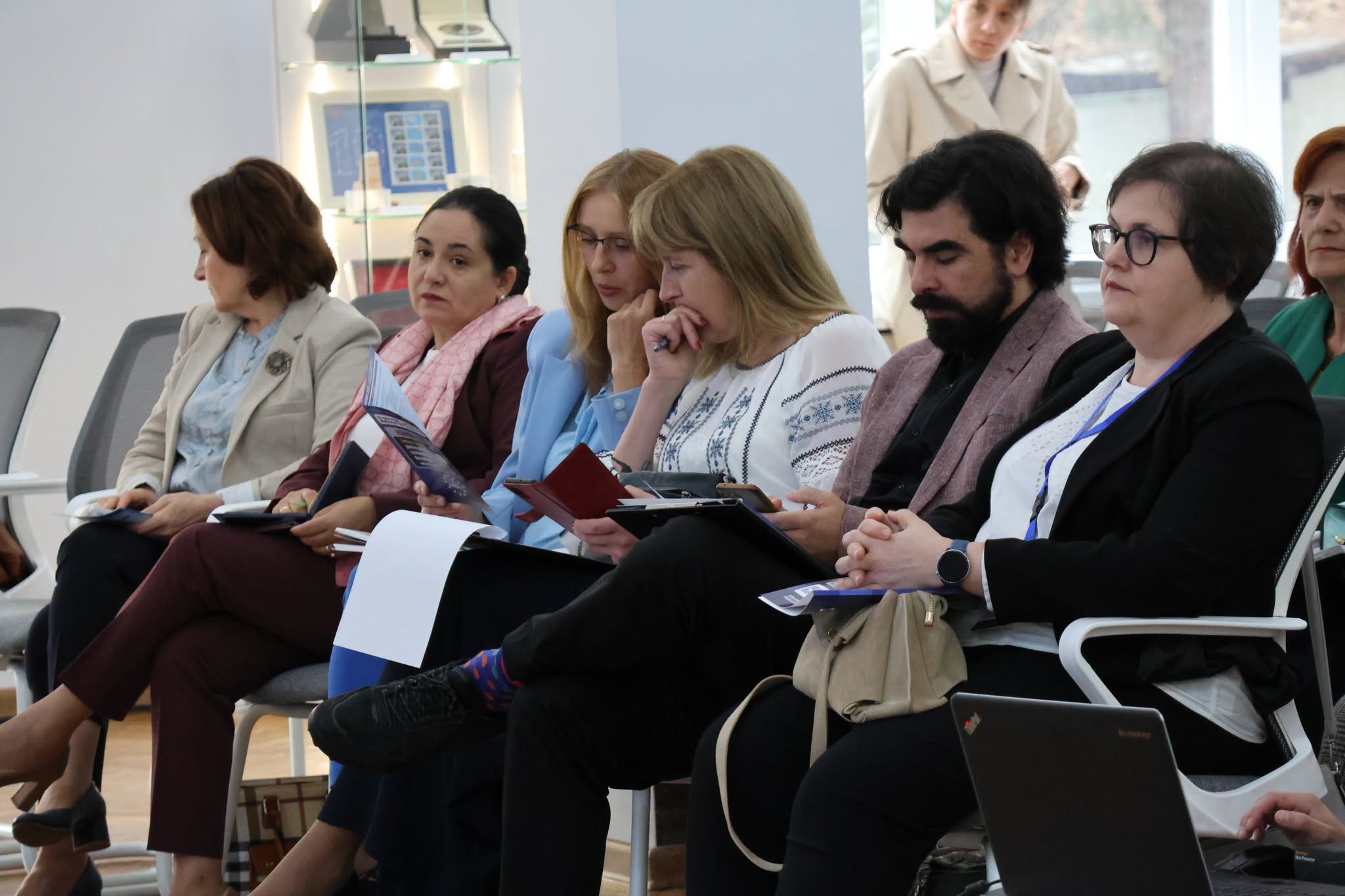
The conference brought together a total of 120 participants, the vast majority representing libraries, cultural and educational institutions, public administration, research, and the book sector in the Republic of Moldova. At the same time, five distinguished experts from Romania, Bulgaria, Poland, Latvia, and Lithuania enriched the discussions by presenting case studies and insights from their respective national libraries.
The Erland Kolding Nielsen Grant, awarded by the Conference of European National Librarians (CENL), enabled the conference to strengthen its international dimension. The grant supported the participation of representatives from five European national libraries, creating an opportunity to share national experiences and professional practices directly within a common European forum.
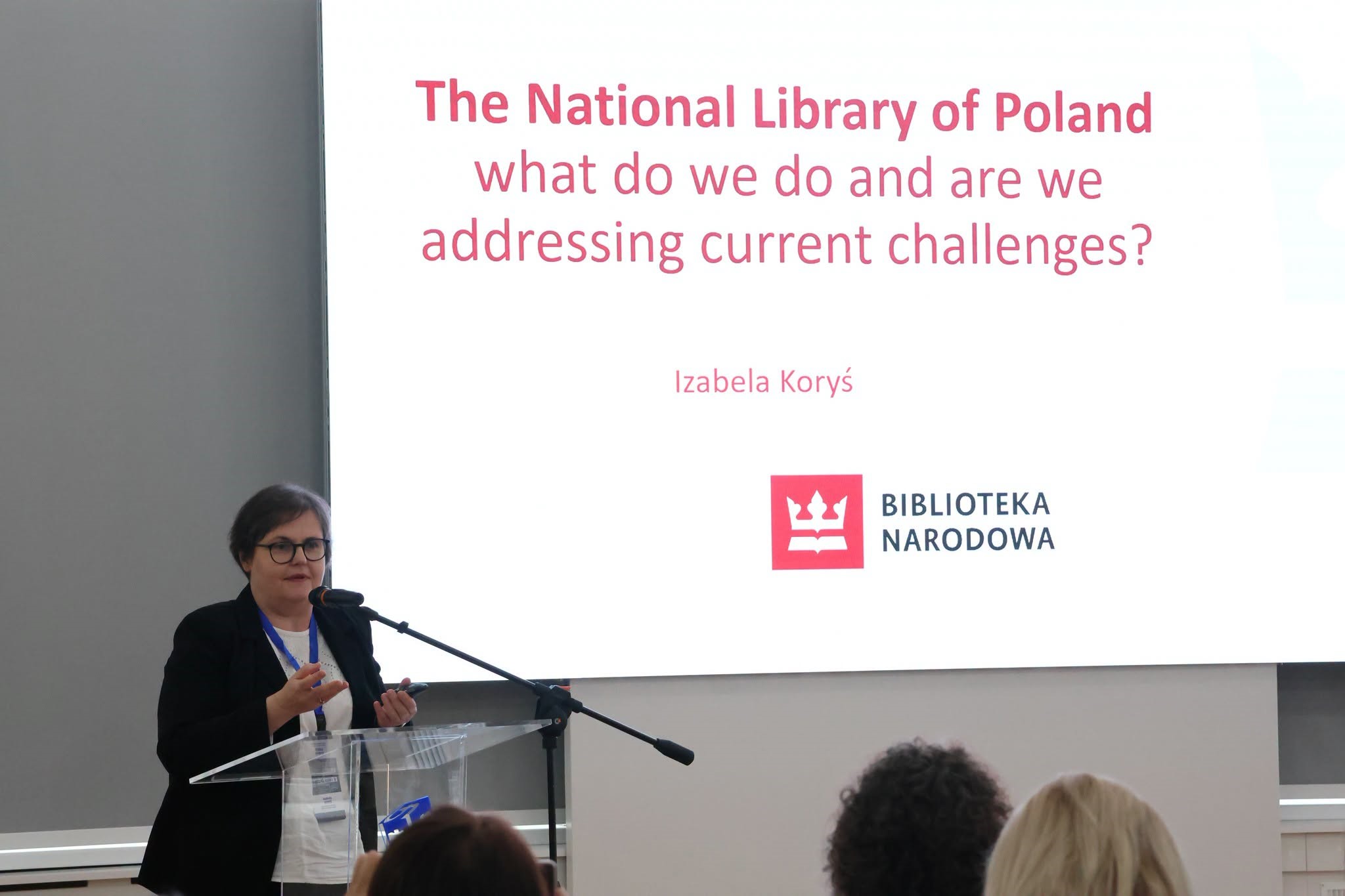
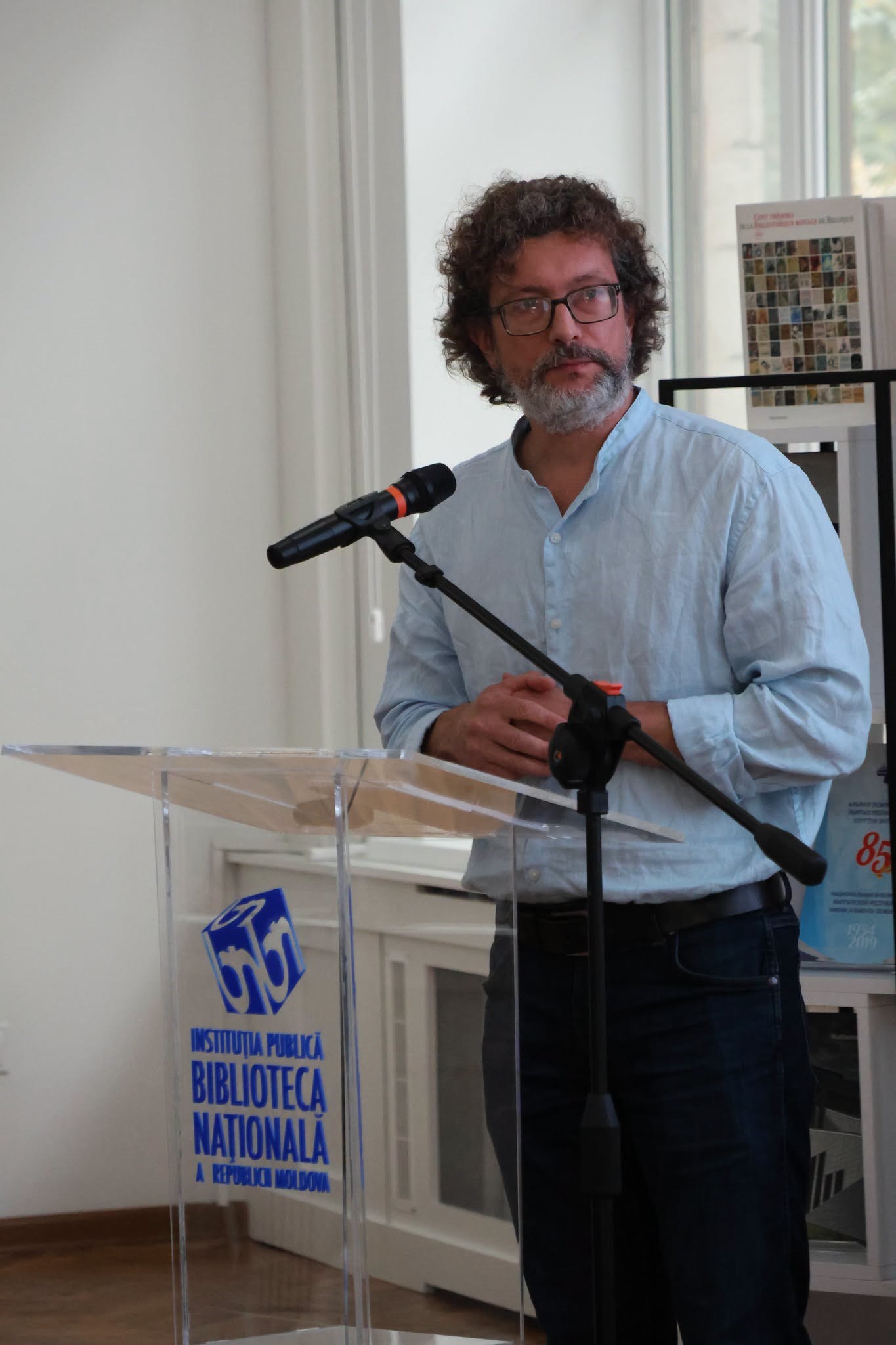
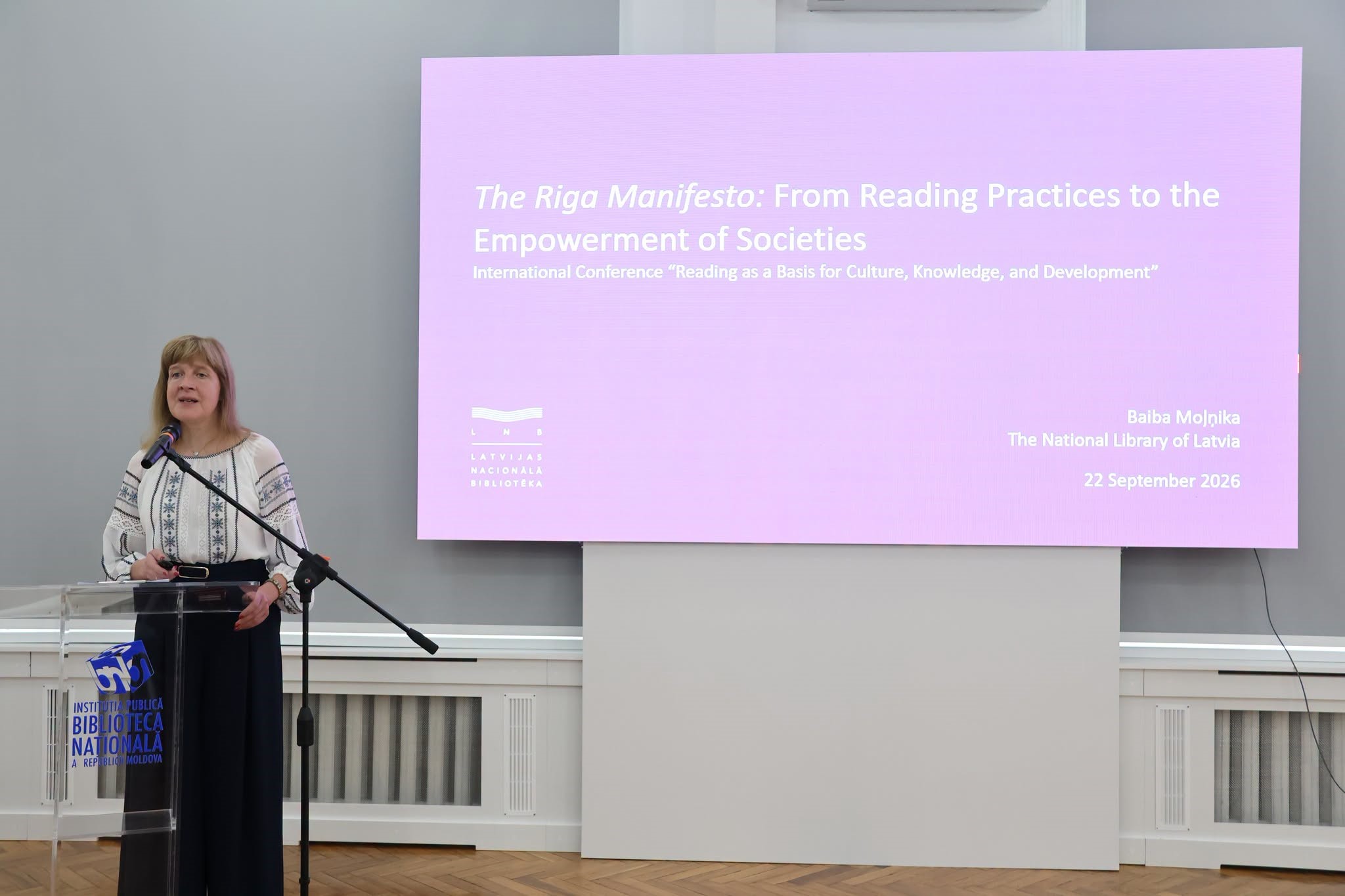
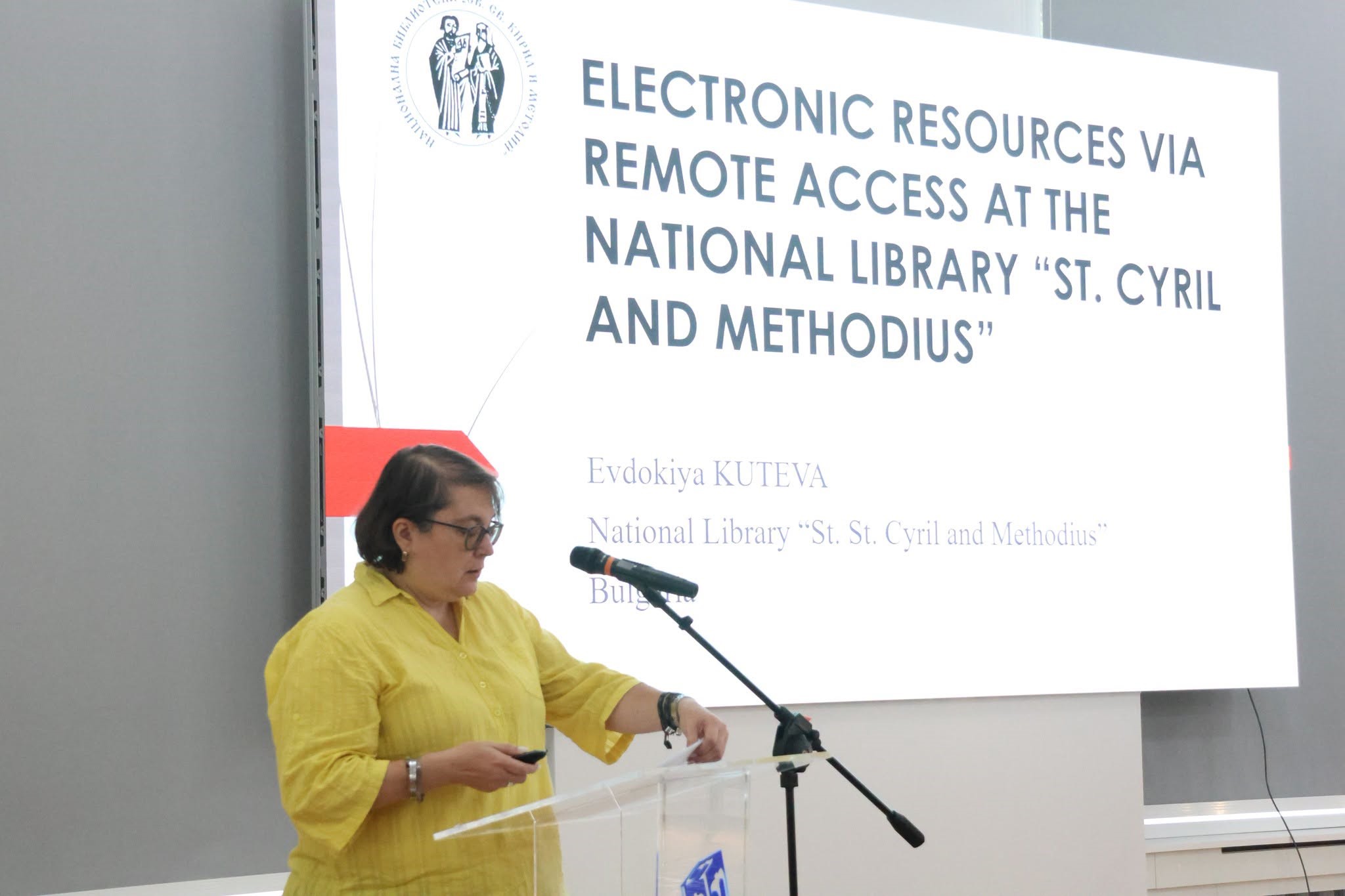
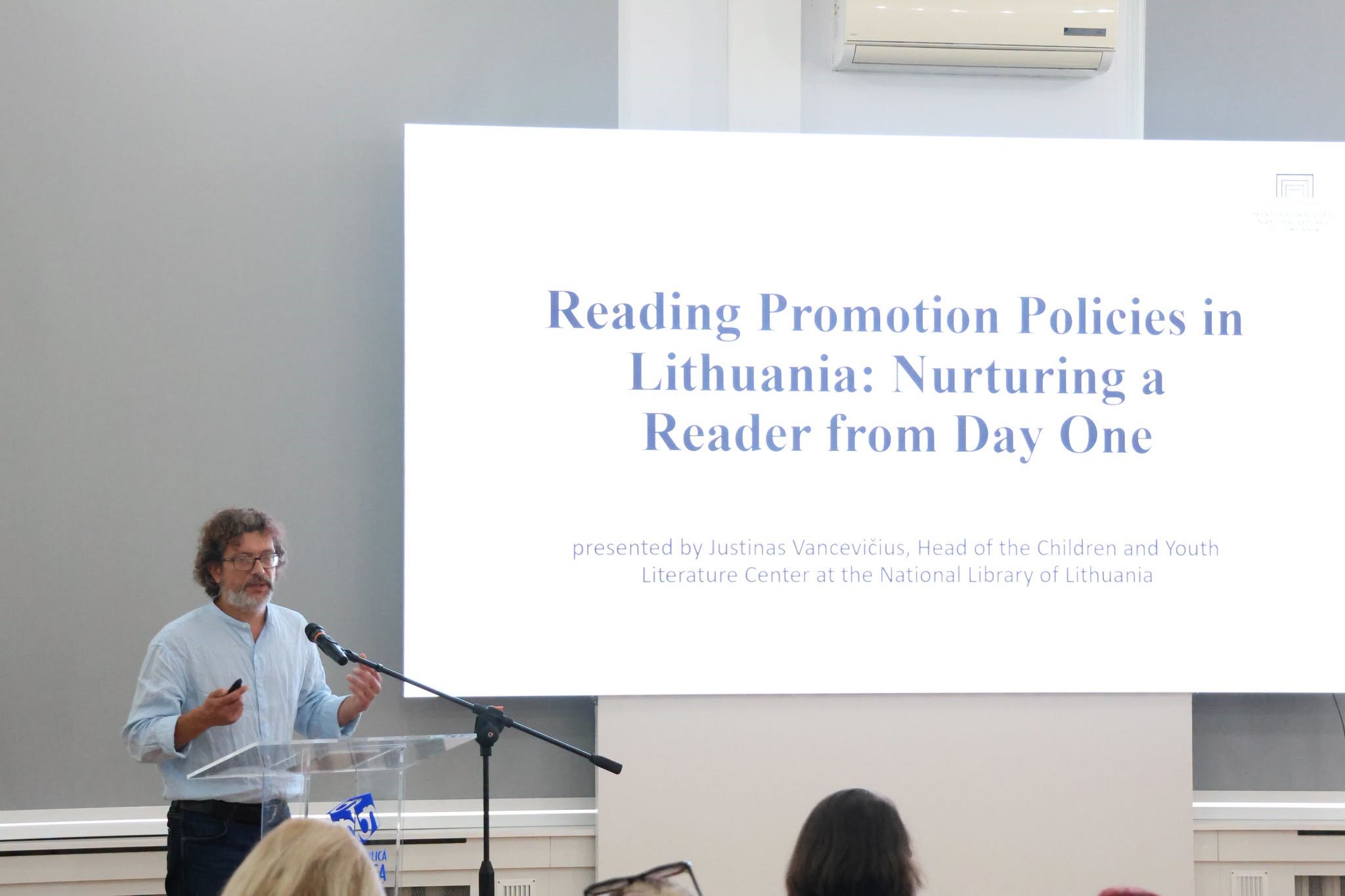
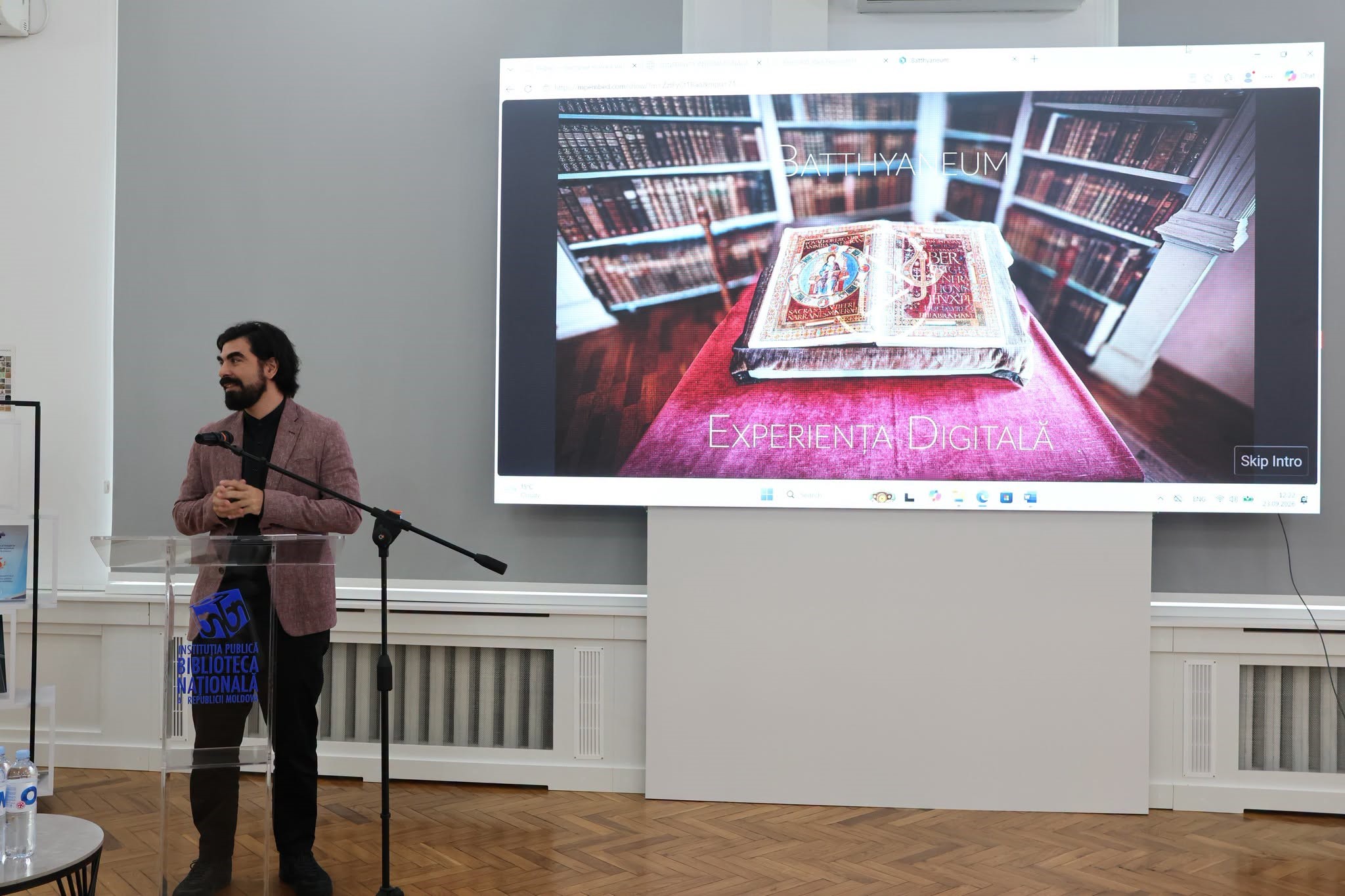
The international speakers brought different perspectives on how libraries and cultural institutions are responding to contemporary challenges. Baiba MOĻŅIKA of the National Library of Latvia presented the Riga Manifesto and its perspective on reading as a means of societal empowerment. Justinas VANCEVICIUS of the National Library of Lithuania shared Lithuania’s experience in developing reading promotion policies from an early age. Evdokiya KAMENOVA KUTEVA of the National Library “St. Cyril and Methodius” in Bulgaria addressed remote access to electronic resources, while Izabela KORYŚ of the National Library of Poland presented lessons from the Polish experience concerning the role and impact of public libraries. Cristian MLADIN, representing the Batthyaneum Library, a branch of the National Library of Romania, explored European intellectual and cultural heritage through the legacy of Ignatius Batthyány and the scholarly networks of the Enlightenment.
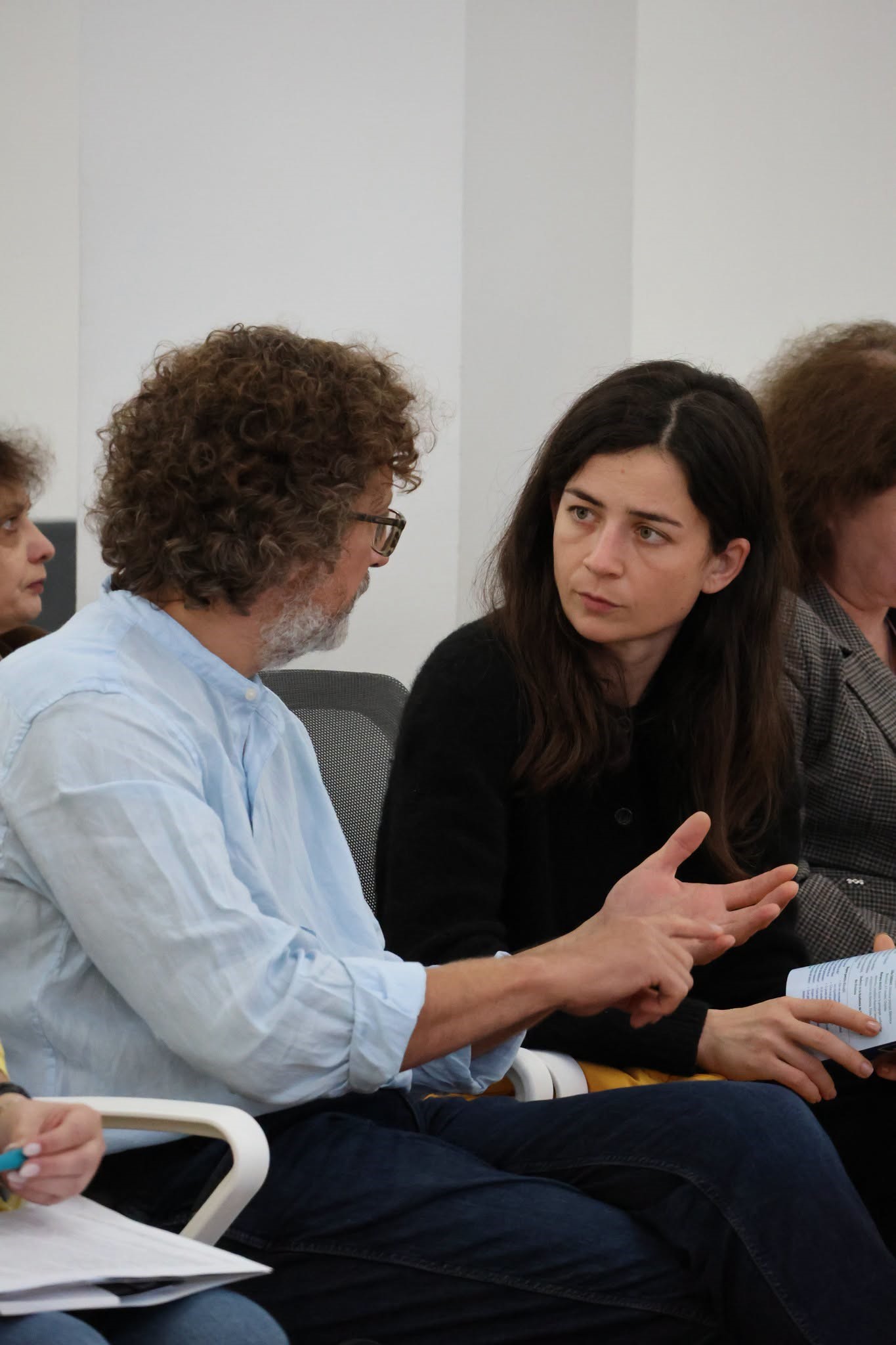
The discussions moved beyond national experiences to questions shared by libraries across Europe. The first panel, “How Does a Reading Programme Become a National Culture of Reading?”, examined how reading initiatives can move beyond short-term campaigns and become sustained practices rooted in communities. Particular attention was given to equitable access to reading opportunities, differences between rural and urban communities, the needs of different age groups and the role of libraries as spaces for community building.
The second panel, “Books and Algorithms – An Intergenerational Dialogue,” explored the changing relationship between readers, books, and technology. Participants discussed how algorithms, social media, digital resources, and artificial intelligence are shaping the ways people discover and engage with books. The discussion also highlighted the need to balance new technologies with the value of deep reading, independent choice, and human dialogue about literature.
For the participating national libraries, the conference provided more than an opportunity to present national practices. It created a space for professional exchange around common challenges, allowing different European approaches to reading promotion, digital access, public library development and cultural heritage to be considered alongside the experience of Moldova.
The conference also highlighted a broader role for national libraries: connecting cultural heritage with contemporary technologies, supporting reading across generations and communities, and creating spaces where professional knowledge can circulate across institutional and national boundaries. Its conclusions emphasised continuity in reading promotion, equitable access, reading throughout life, libraries as community spaces, the complementary role of technology, and cooperation among libraries, cultural and educational institutions, public authorities and other partners.
The international exchange extended beyond the conference venue. The event was broadcast through two official online sessions, which had recorded 1,074 views by 24 September 2026, making the discussions accessible to a wider professional and public audience.
The exchange of experience will continue beyond the conference itself. In October 2026, as part of the Erland Kolding Nielsen Grant, the National Library of the Republic of Moldova will organise a follow-up dissemination workshop focused on sharing and exploring the good practices and professional experiences presented during the conference. The workshop will provide an opportunity for librarians to further examine the approaches presented by the participating European national libraries and discuss ways of adapting and applying relevant practices to the Moldovan library context. Through this follow-up activity, the cooperation supported by CENL will extend from international knowledge exchange towards the dissemination, transfer and practical use of professional experience.
The 8th International Conference “Reading as a Basis for Culture, Knowledge and Development” demonstrated that, although reading practices continue to evolve, libraries have a shared and enduring role in facilitating access to knowledge, encouraging dialogue, and supporting cultural participation across Europe.
Contributions:
Victoria Vasilica, head of Project Management Department
Angela Drăgănel, head of Research and Studies Department
Daniela Galai-Coadă, senoir specilaist, Project Management Department
Links:
International Conference: https://www.youtube.com/watch?v=A-is0Ry5gpg
Panel I: https://www.youtube.com/watch?v=R3fFyIJgHVU&t=3489s
 © National Library of Moldova
  © National Library of Moldova
  © National Library of Moldova
  © National Library of Moldova
  © National Library of Moldova
  © National Library of Moldova
  © National Library of Moldova
  © National Library of Moldova
  © National Library of Moldova