


The National Library of Wales has opened a major new exhibition exploring the history, impact and legacy of the Aberfan Disaster of 21 October 1966.
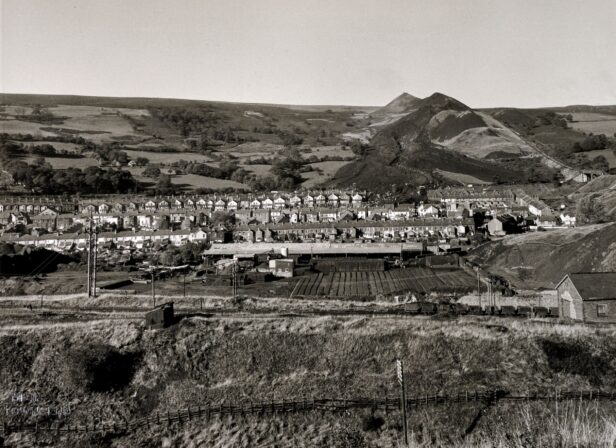
Drawing on the Library’s unique collections, the exhibition brings together photographs, archives, maps, artworks, publications, film and personal testimony to tell the story of one of the most significant tragedies in modern Welsh history and the extraordinary resilience of the community that followed.
Rather than focusing solely on the events of the disaster, the exhibition explores how the people of Aberfan responded through collective action, mutual support and remembrance. Through original material preserved in the National Library’s collections, it reveals how the tragedy resonated far beyond Wales, prompting messages of sympathy, fundraising efforts and acts of solidarity from around the world.
The exhibition features powerful photography by Philip Townsend, David Williams and I.C. “Chuck” Rapoport, alongside international newspaper coverage, records of the Aberfan Disaster Fund, architectural drawings, publications documenting the village’s recovery, and material illustrating the long-standing connection between Aberfan and the community of Lara in Australia.
Also on display are unique items from the National Library’s collections, including the three-sheet Ordnance Survey plan produced for the public inquiry and material from the archive of acclaimed Welsh composer Karl Jenkins, whose Cantata Memoria: For the Children – Er mwyn y Plant was written to mark the fiftieth anniversary of the disaster.
A significant element of the exhibition is the recently completed Book of Remembrance project, delivered by the National Library of Wales in partnership with the Aberfan Memorial Charity and funded by the Welsh Government. The project created new copies of the Bethania Aberfan Book of Remembrance, ensuring the memory of the 116 children and 28 adults who lost their lives continues to be preserved and honoured for future generations.
The project also highlights the specialist conservation and heritage craft skills maintained at the National Library. Working alongside the Aberfan community, calligrapher Tanja Bolenz and the Library’s Conservation Department, three new volumes were produced and bound using traditional techniques, demonstrating the important role cultural institutions play in safeguarding both physical heritage and collective memory.
Carys Ifan, Director of Experience at the National Library of Wales, said:
“The story of Aberfan is a story of loss, but it is also a story of community, resilience and remembrance. Through this exhibition and our wider digital resources, we want to ensure that people in Wales and across the world can engage with the history of Aberfan through original material preserved in the nation’s collections. Our role as a national library is not only to care for these collections, but to share them, helping future generations understand both the tragedy itself and the strength of the community that endured it.”
Explore the Story Online
For international audiences unable to visit in person, the National Library of Wales provides free online access to a wide range of resources relating to the Aberfan Disaster.
The Aberfan Disaster 1966 online resource, developed in partnership with Glamorgan Archives, brings together archival documents, photographs and historical material that help tell the story of the disaster and its aftermath.
Visitors can also explore the Library’s extensive digital collections, including photographs, archives and digitised film material that document the people, places and events that have shaped modern Wales.
Through both the exhibition and its online resources, the National Library of Wales continues its work to preserve and share the nation’s memory, ensuring that the experiences of those affected by the Aberfan Disaster remain accessible, understood and remembered around the world.