

Åse Wetås
Holger Sinding Larsen
The National Library was established in 1989. Prior to this legal deposit of printed material was taken care of by The University Library at The University of Oslo.
The National Library collects, preserves and makes available everything published for the Norwegian public.
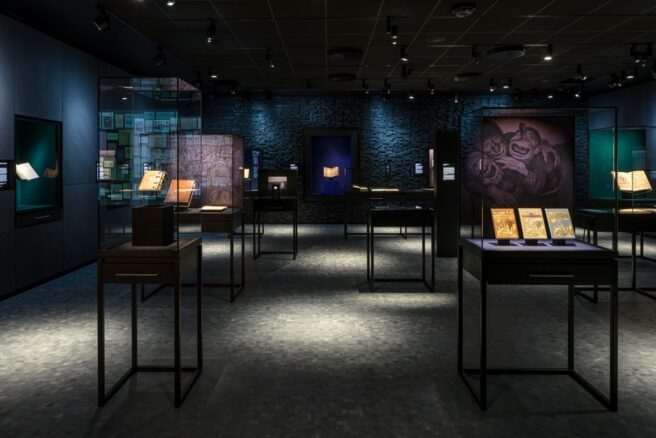
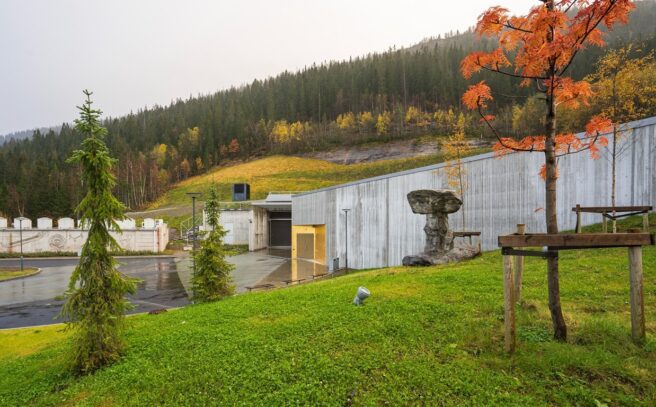
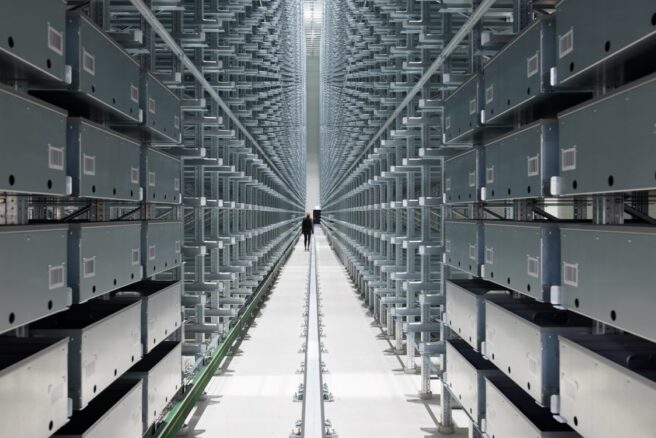
In the city of Mo i Rana, the National Library’s collection is secured in large mountain halls, both physically and digitally. There, document-based cultural heritage from Norwegian archives, museums and libraries is digitised and preserved. In the capital, Oslo, the public can visit the 1914 building, which houses exhibitions, events, a cafe and reading rooms.
The public can also experience the National Library’s editorial content through podcasts, social media, video reports, and online streaming. The National Library is a research institution that conducts its own research and facilitates other research on the collection. In the online library (https://www.nb.no/search), you can find digitised material from the entire National Library’s collection.
The National Library of Norway gives people across the country access to our shared knowledge and cultural heritage. By preserving, digitising and making available everything published for the public in Norway, the National Library is the foremost source of knowledge about Norway and Norwegian society.
In Mo i Rana, just south of the Arctic Circle, we preserve Norway’s documentary heritage for the next thousand years in vast storage halls deep inside the mountains. For almost twenty years, we have systematically digitised our collections – from books, newspapers and journals to music, photographs, film and archival material.
One of the National Library’s main goals is to ensure that as many people as possible know and use our shared knowledge and cultural heritage. Through collective licensing agreements with rights holders, we provide digital access to a large part of Norway’s cultural heritage while ensuring that creators are fairly compensated. More and more media types are becoming searchable and accessible through our Digital Library.