


On 1 July, the Portuguese State acquired at auction a rare collection of autograph documents by some of Portugal’s most important writers, which will now become part of the collections of the National Library of Portugal (BNP). This acquisition is particularly significant both for the documentary value of the materials and for the way in which they complement and enrich the collections already held by the institution.
Among the documents acquired are several autograph manuscripts by Fernando Pessoa, formerly in the possession of Maria da Graça Queirós, great-niece of Ofélia Queirós, the poet’s only known romantic partner. This family provenance lends the manuscripts particular significance, offering a more direct insight into Pessoa’s personal life and his relationship with Ofélia.
Although the poems themselves are not unpublished, the autograph manuscripts are important records of Pessoa’s creative process. A comparison with the typescript versions already preserved in Pessoa’s archive at the BNP makes it possible to trace different stages in the development of the texts, revealing the choices, revisions and hesitations that shaped the poet’s writing.
Of particular importance are a letter, three telegrams and six envelopes sent by Fernando Pessoa to Ofélia Queirós, given the scarcity of surviving documentation relating to their correspondence. These materials help to partially fill an important gap in the documentary record, offering a closer insight into a personal dimension of Pessoa’s life that has so far been documented only fragmentarily. The envelopes are also significant in their own right: although the letters they once contained have not survived, they provide tangible evidence of the correspondence exchanged between Pessoa and Ofélia.
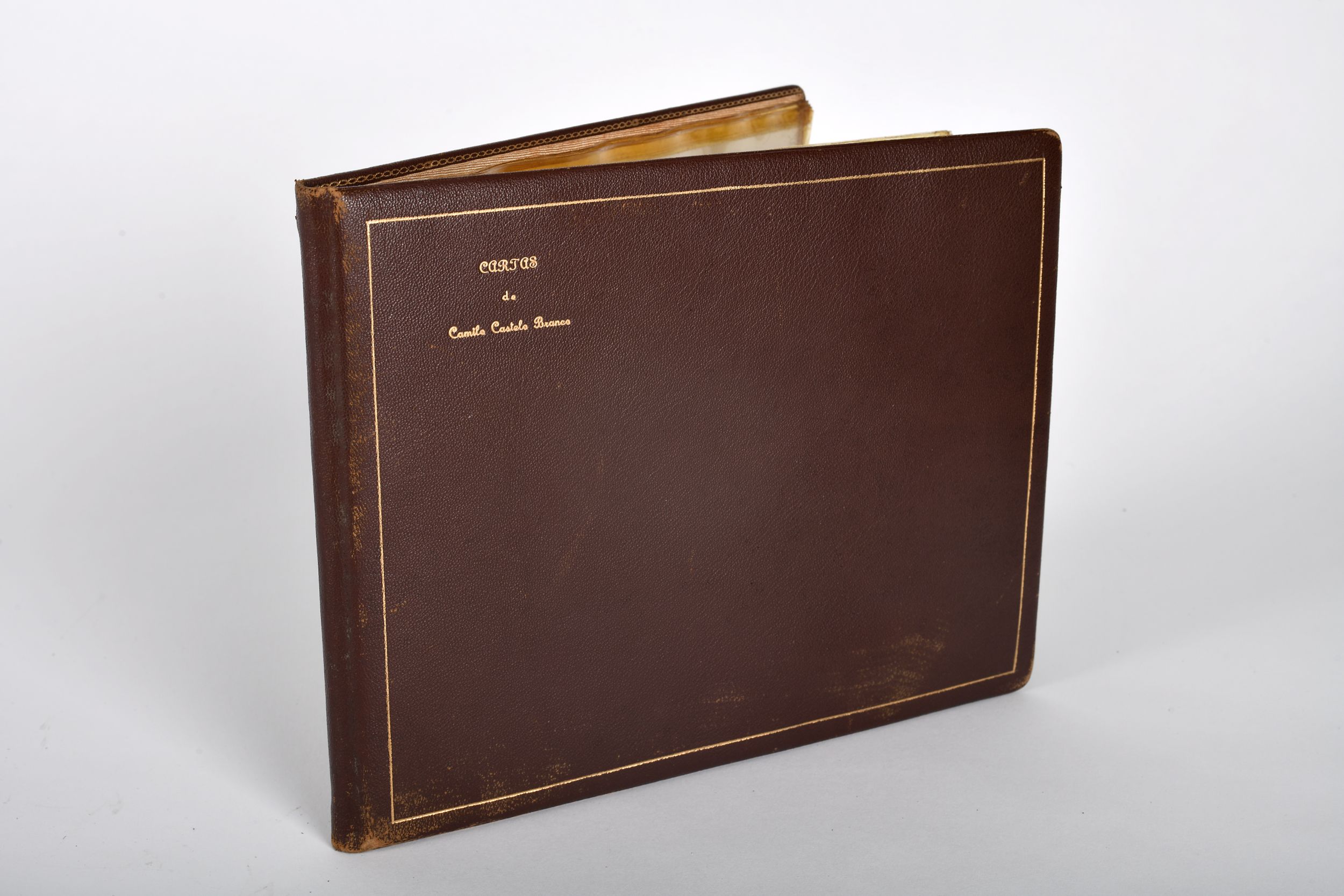
The acquisition also includes important documents relating to Teixeira de Pascoaes, Vitorino Nemésio, Camilo Castelo Branco and Ana Plácido, further enriching and strengthening the representation of these writers in the BNP’s collections.
Particularly noteworthy is Teixeira de Pascoaes’s autograph manuscript of O Homem Universal, which joins Um Passeio, another autograph manuscript by the writer already held by the National Library. Together, these documents offer an opportunity to explore different aspects of Pascoaes’s writing practice.
An autograph manuscript of a short story by Vitorino Nemésio, dated 1922, also adds an early example of his literary work to the writer’s archive at the BNP.
The correspondence of Camilo Castelo Branco and Ana Plácido is likewise of considerable interest. These documents complement the BNP’s existing holdings and allow sources of different provenances to be brought together, contributing to a fuller understanding of their personal and literary lives, as well as of their relationship.
Taken together, the documents acquired represent a significant enhancement of the BNP’s collections and strengthens its ability to preserve, study and promote Portugal’s literary heritage. Digitising these documents and making them available online will further extend access to them, benefiting researchers, students, teachers and the wider public, both in Portugal and abroad.
 © BNP
© BNP 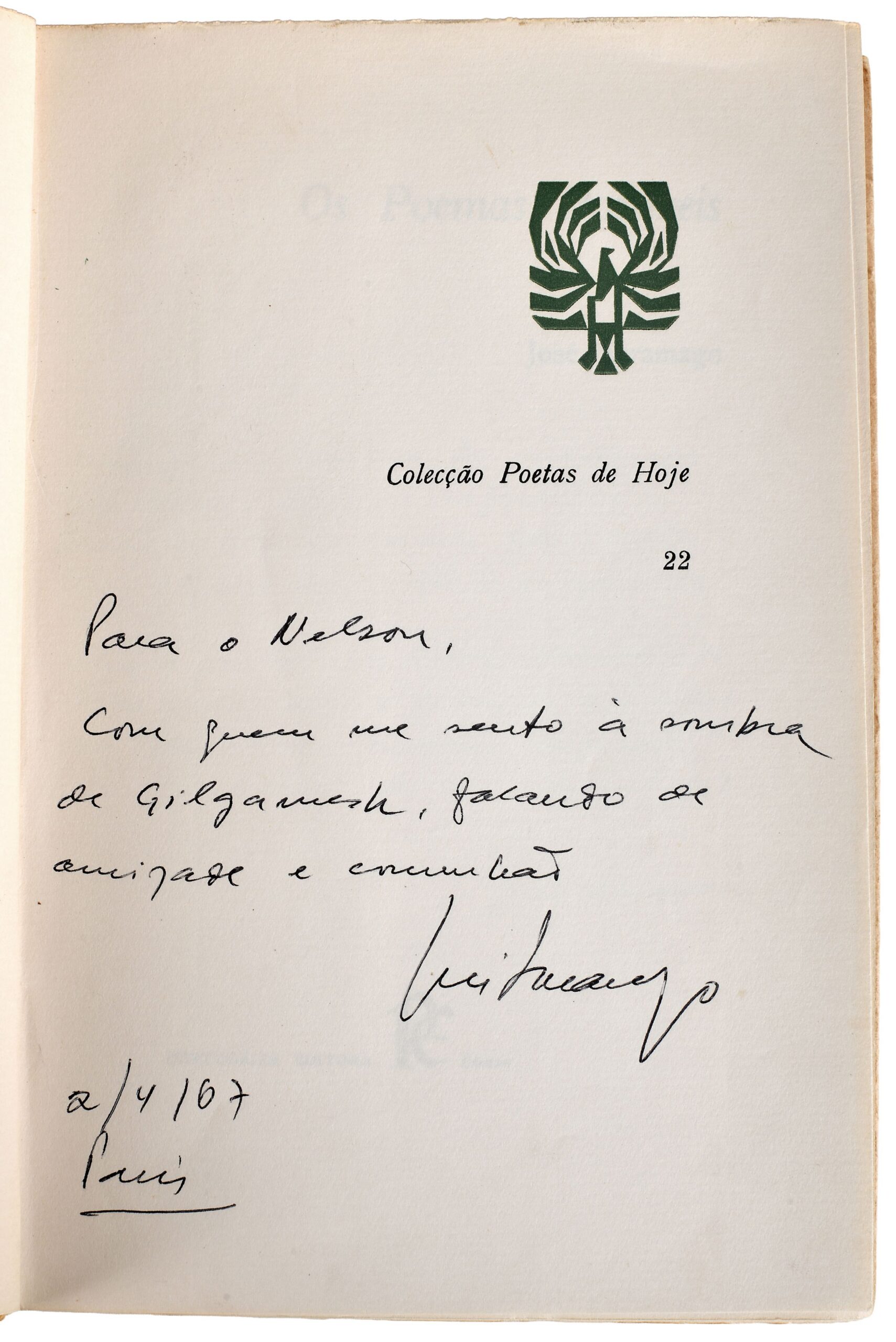 © BNP
© BNP 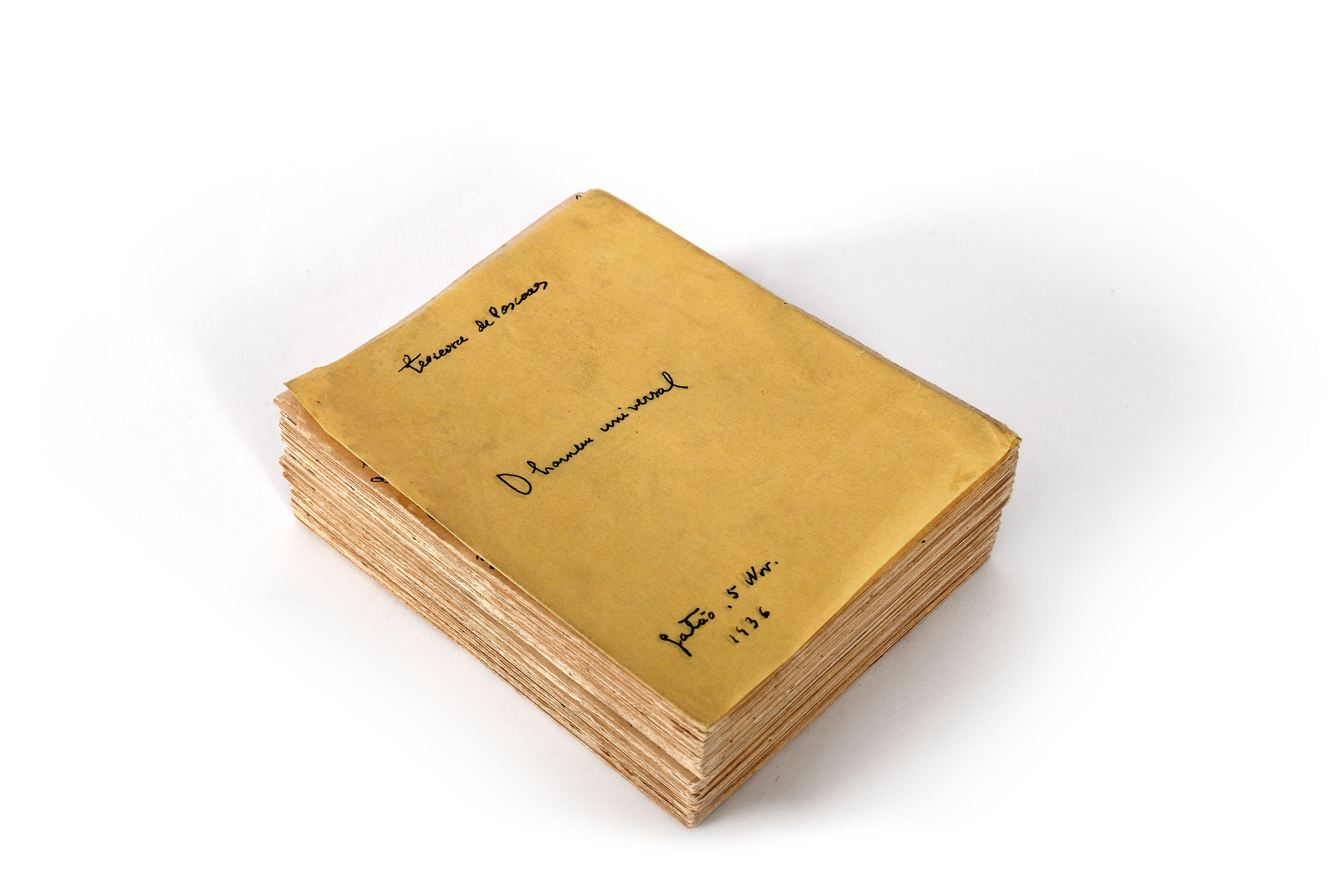 © BNP
© BNP 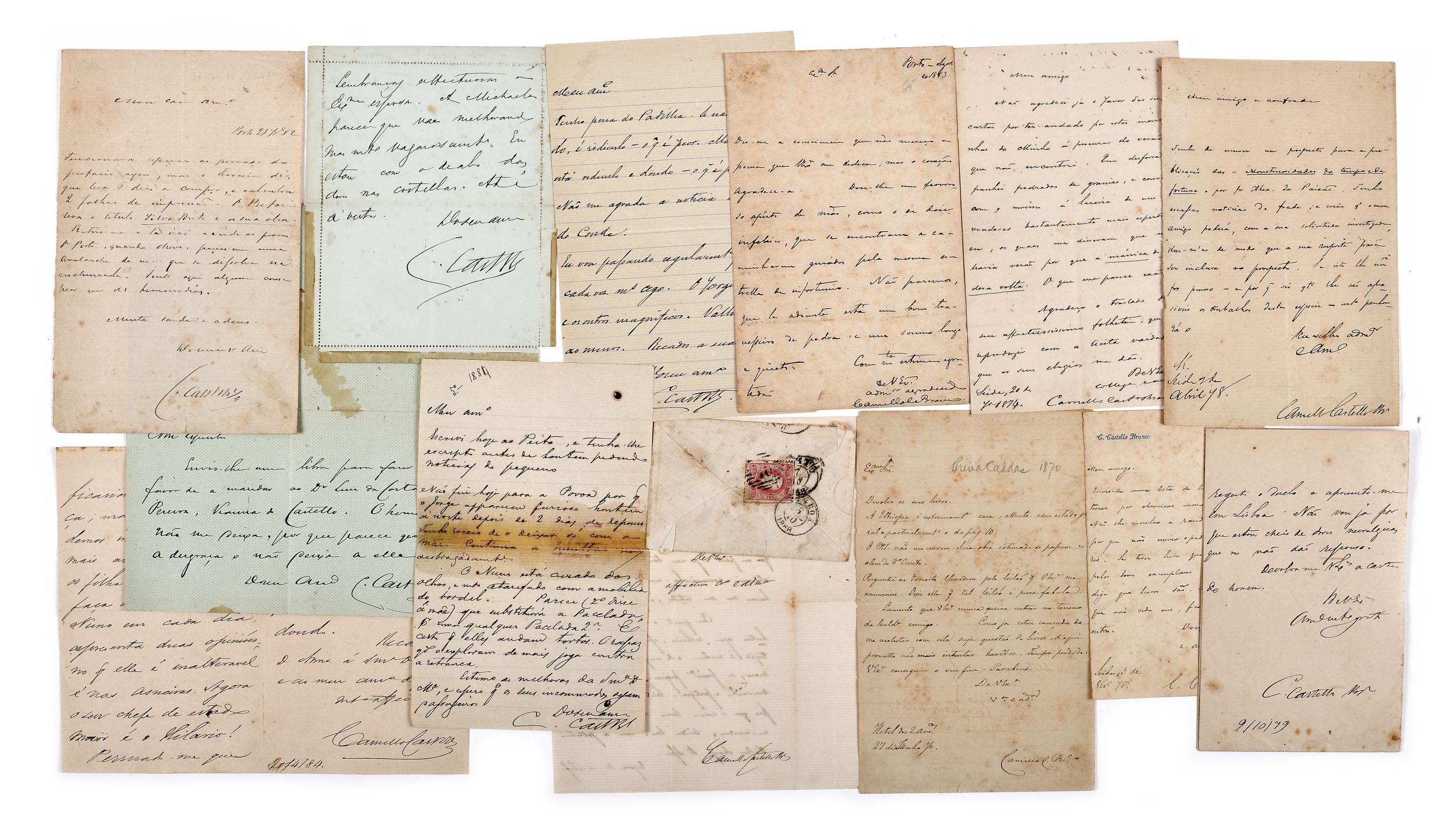 © BNP
© BNP 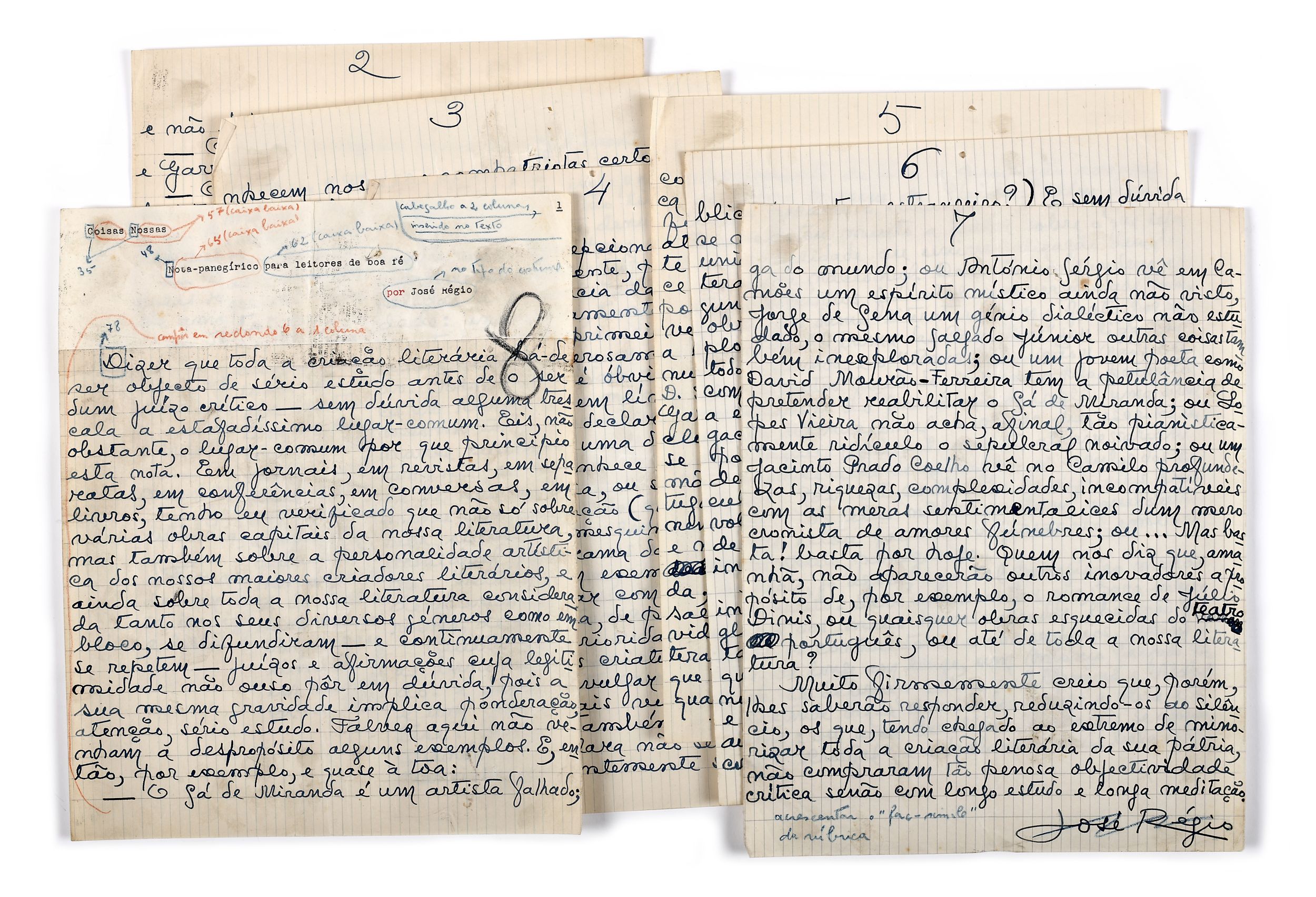 © BNP
© BNP 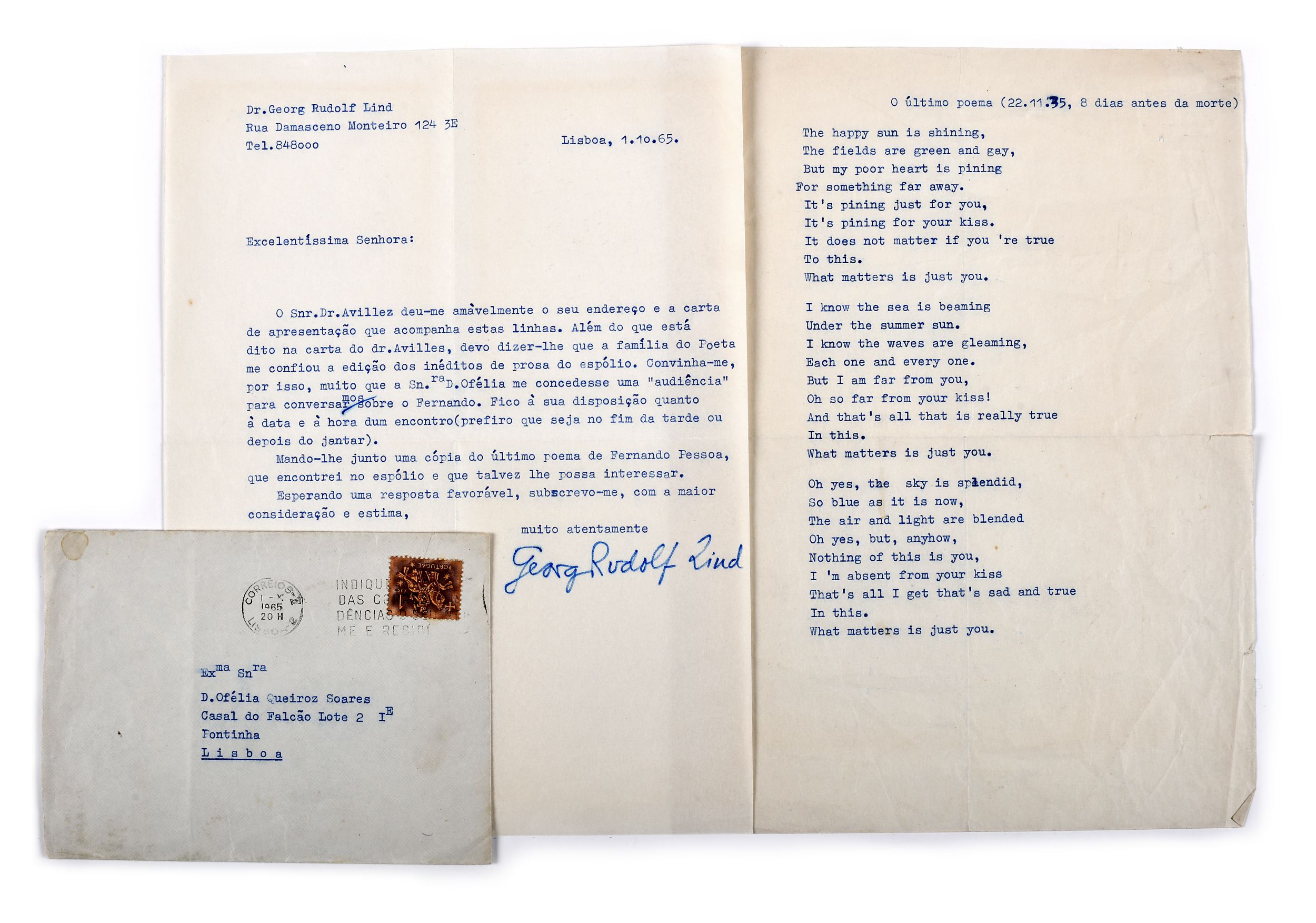 © BNP
© BNP 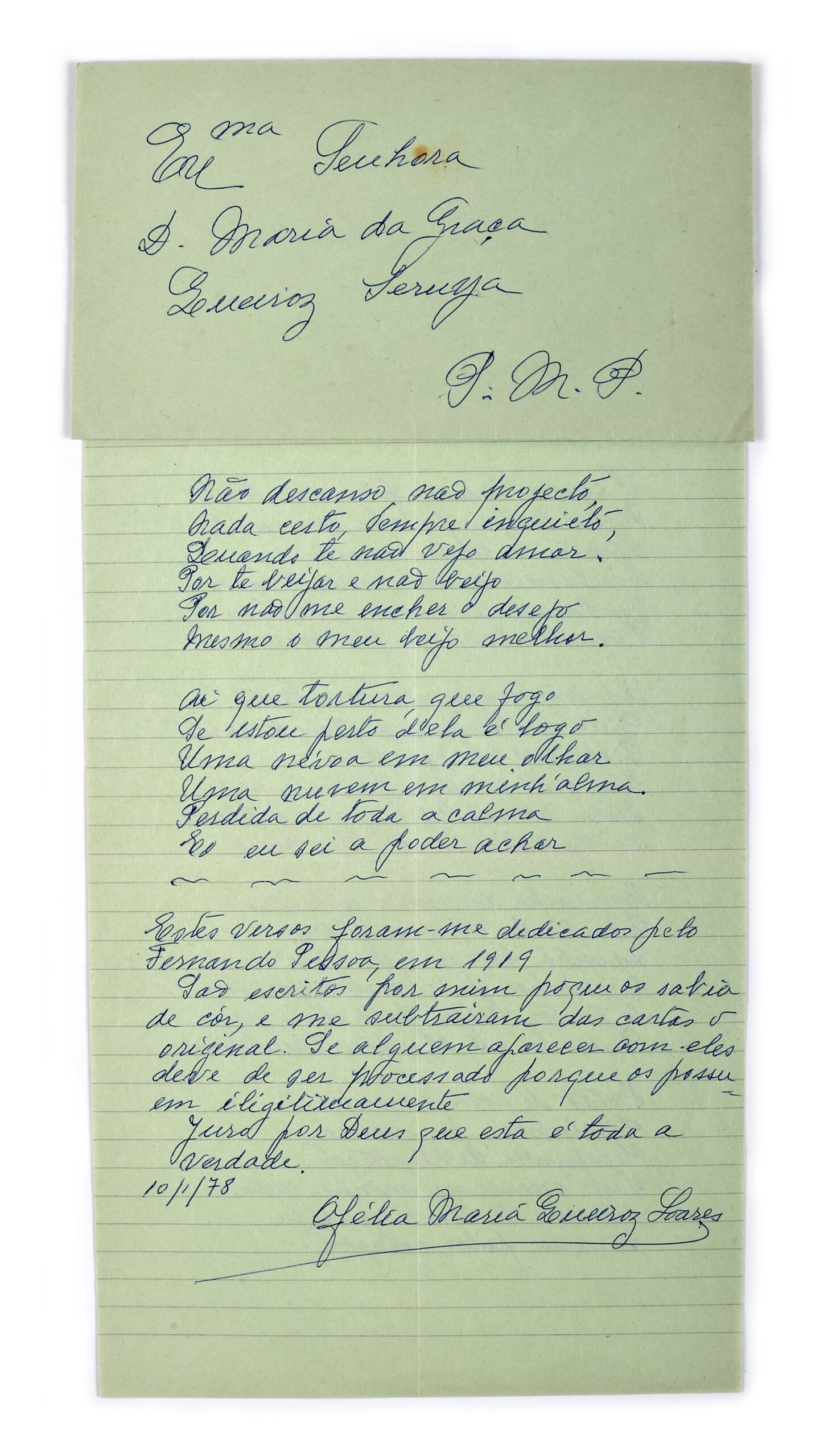 © BNP
© BNP  © BNP
© BNP 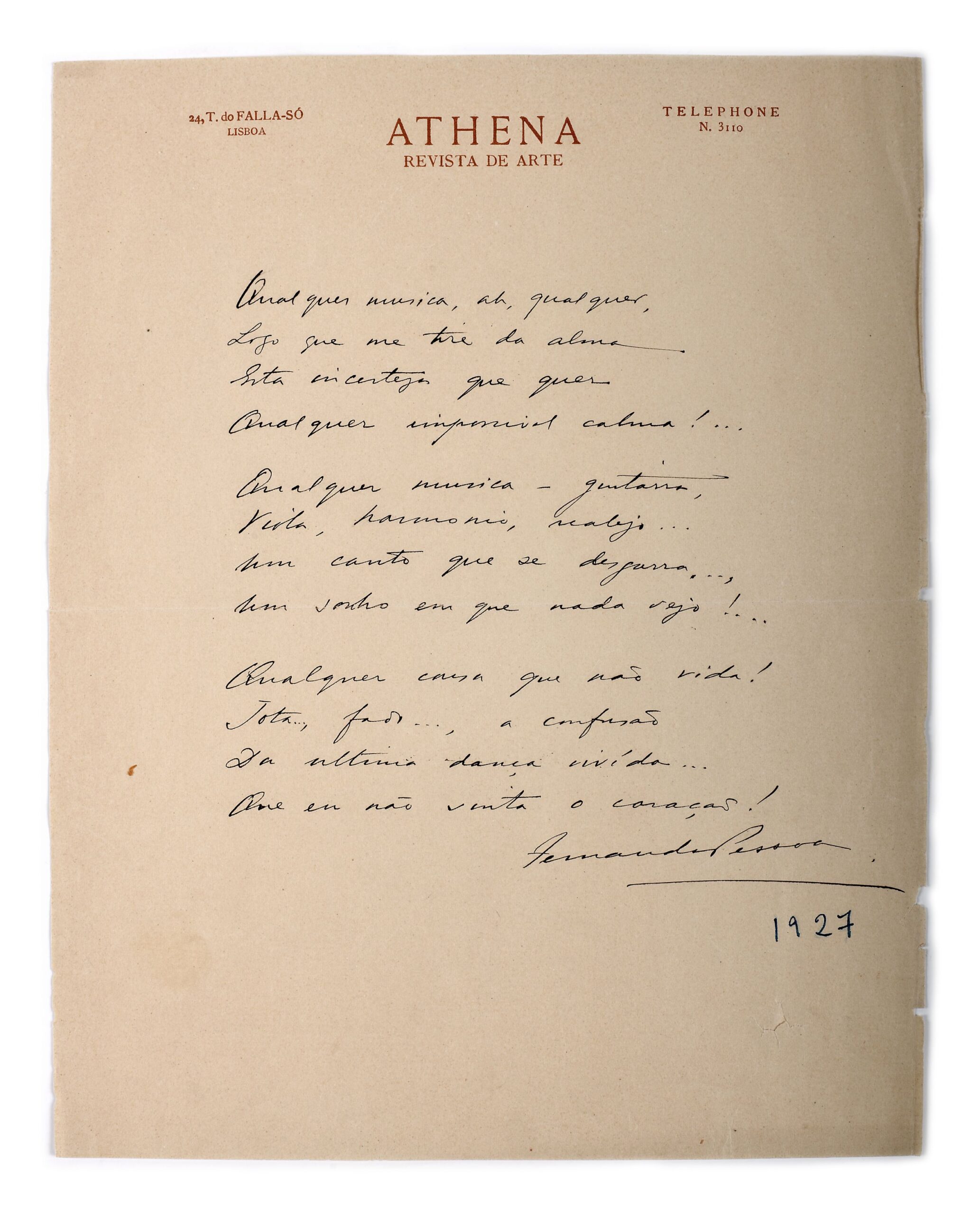 © BNP
© BNP 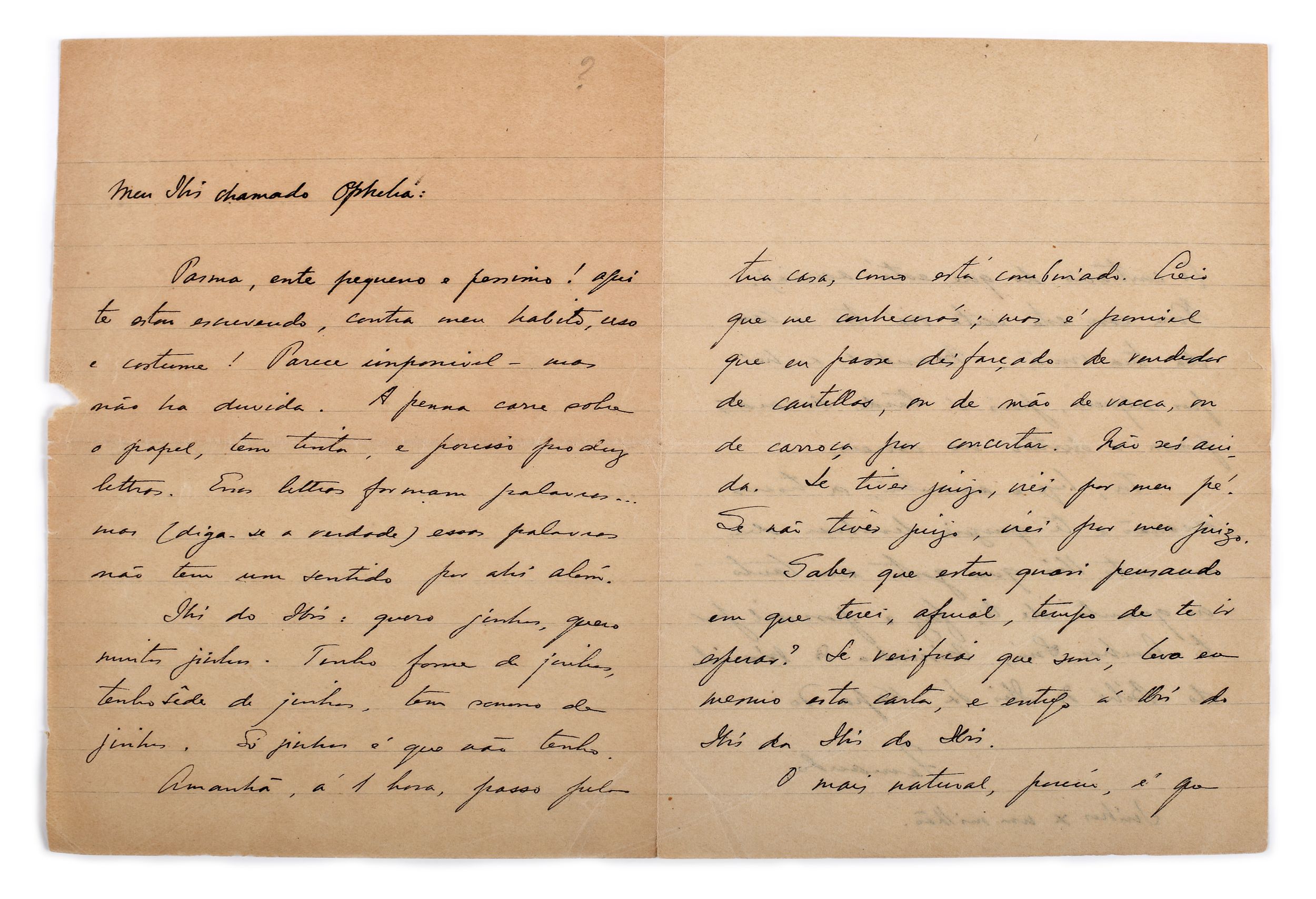 © BNP
© BNP 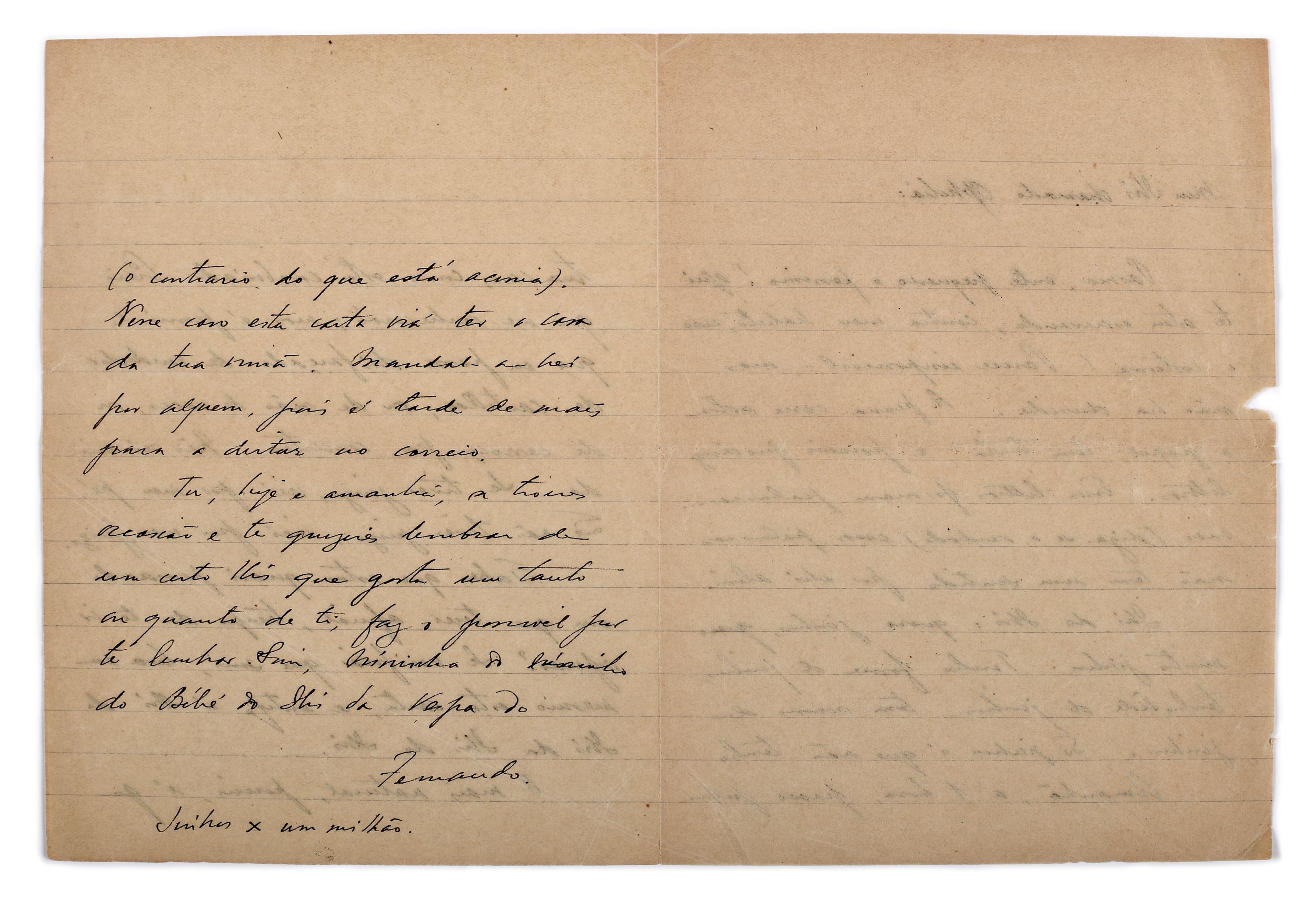 © BNP
© BNP 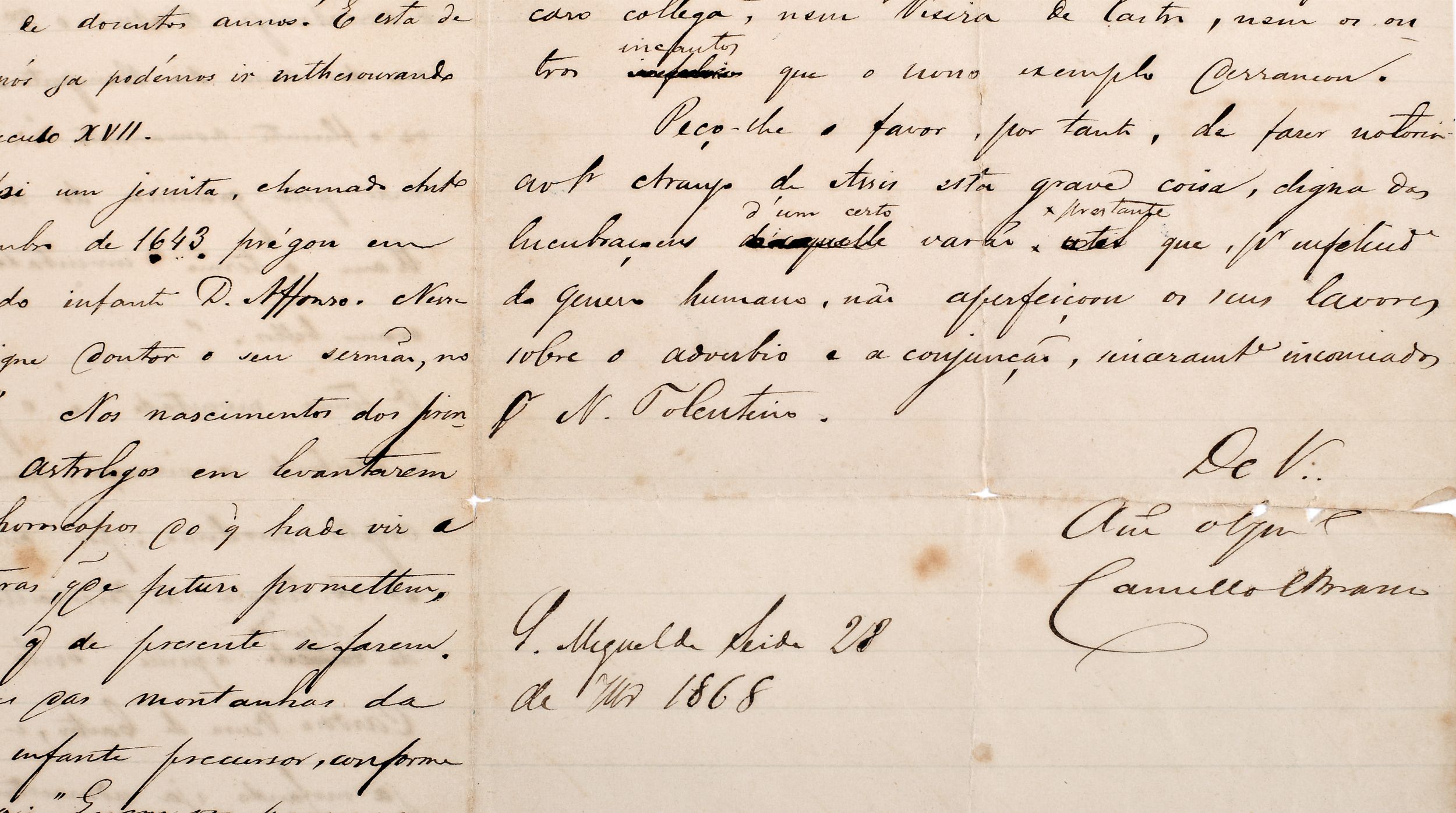 © BNP
© BNP