


The Martynas Mažvydas National Library of Lithuania, established almost at the same time as the modern Lithuanian state (1919), has been preserving the country’s documentary heritage for over a century. The library is named after Martynas Mažvydas – the compiler of the first Lithuanian book – and so, from the very beginning, its mission has been not only to preserve books but also to nurture Lithuania’s cultural identity.
The library’s collections tell not only the history of the institution itself, but also that of Lithuania. Among the most valuable items are the oldest Lithuanian-language parchment (1465), and the richly illustrated incunabula Liber chronicarum (Nuremberg, 1493), which contains the earliest description of Lithuania and places it directly on the map of Europe. There are currently 13 cultural heritage items preserved at the National Library inscribed on the UNESCO “Memory of the World” Register, bearing witness to the uniqueness of Lithuanian culture and history.
However, the National Library is not merely a custodian of the past. Documentary heritage is researched and digitised to share it with the world via ‘Europeana’ and other platforms, providing access to a variety of artworks, books, films, music, and other resources from Lithuania’s cultural institutions. It has also taken the initiative to develop and manage national information systems, from ‘Kultūros pasas’ to ‘iBiblioteka’ and ‘ekultūra’, while welcoming new generations through creative spaces, educational programmes and activities for children and young people.
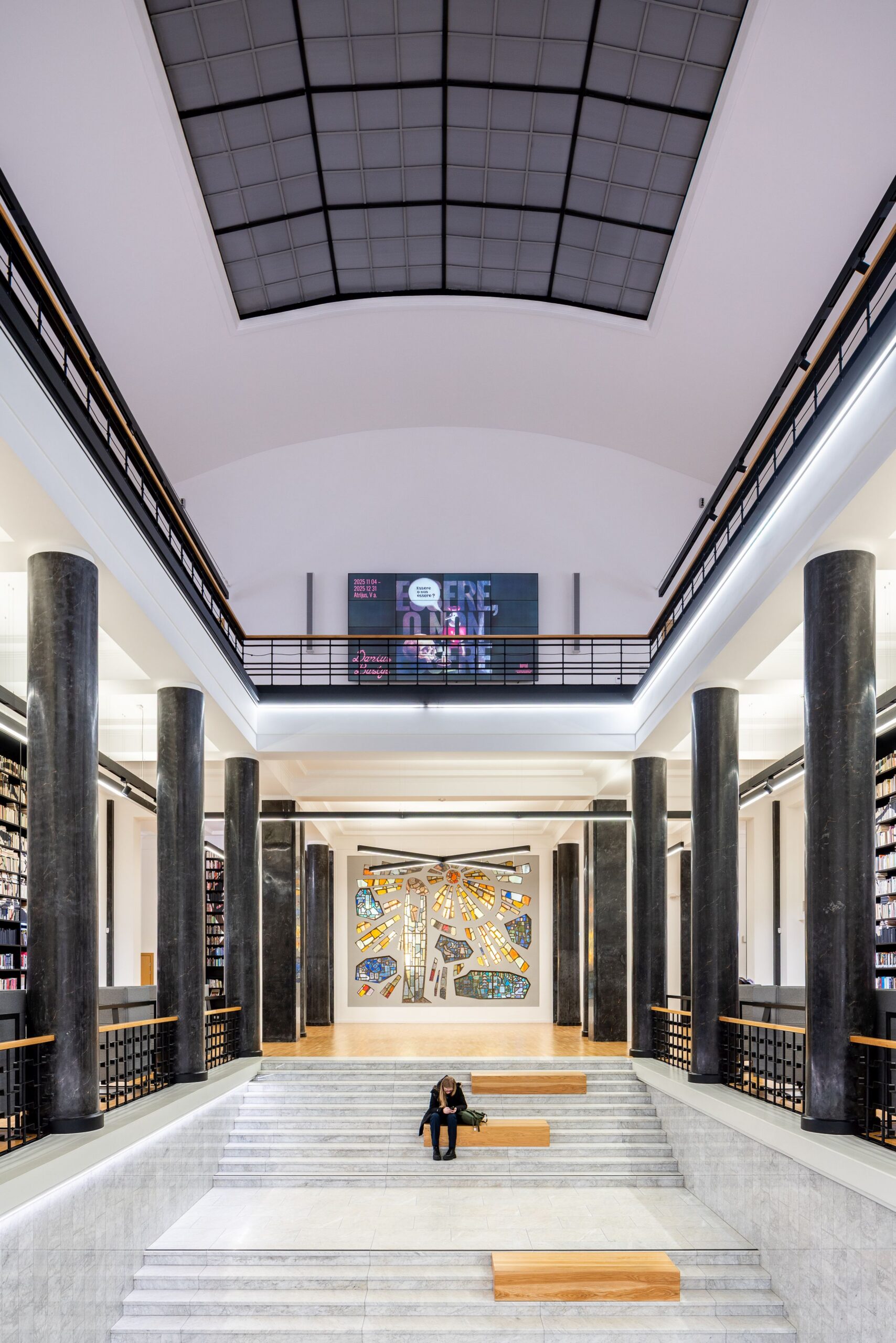
Housed in the first building in the Baltic states designed specifically as a library, it continues to connect Lithuania’s past with its digital future.
Read more on the national library’s page on CENL.
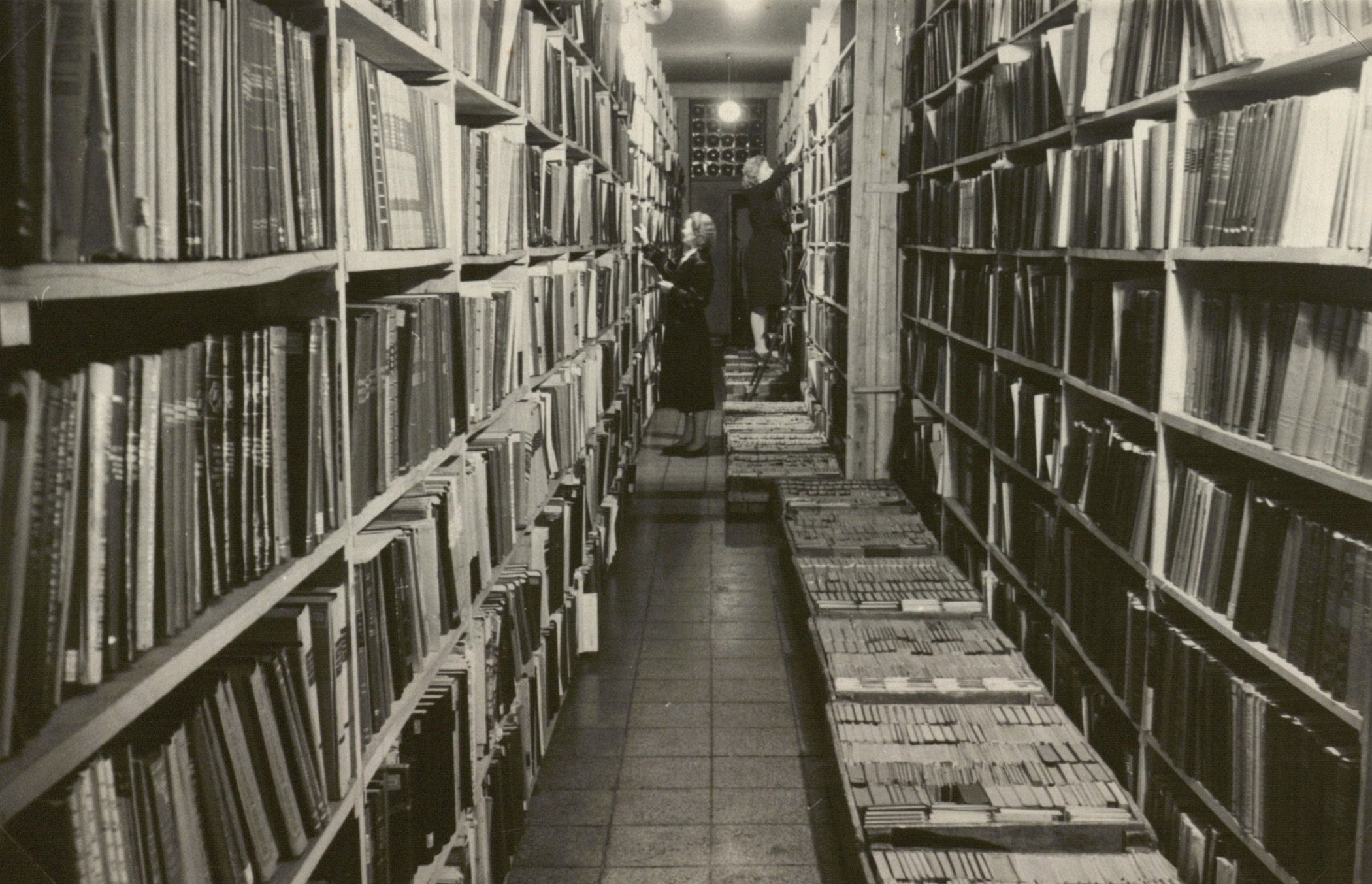 A view to the repository © Archives of the National Library of Lithuania
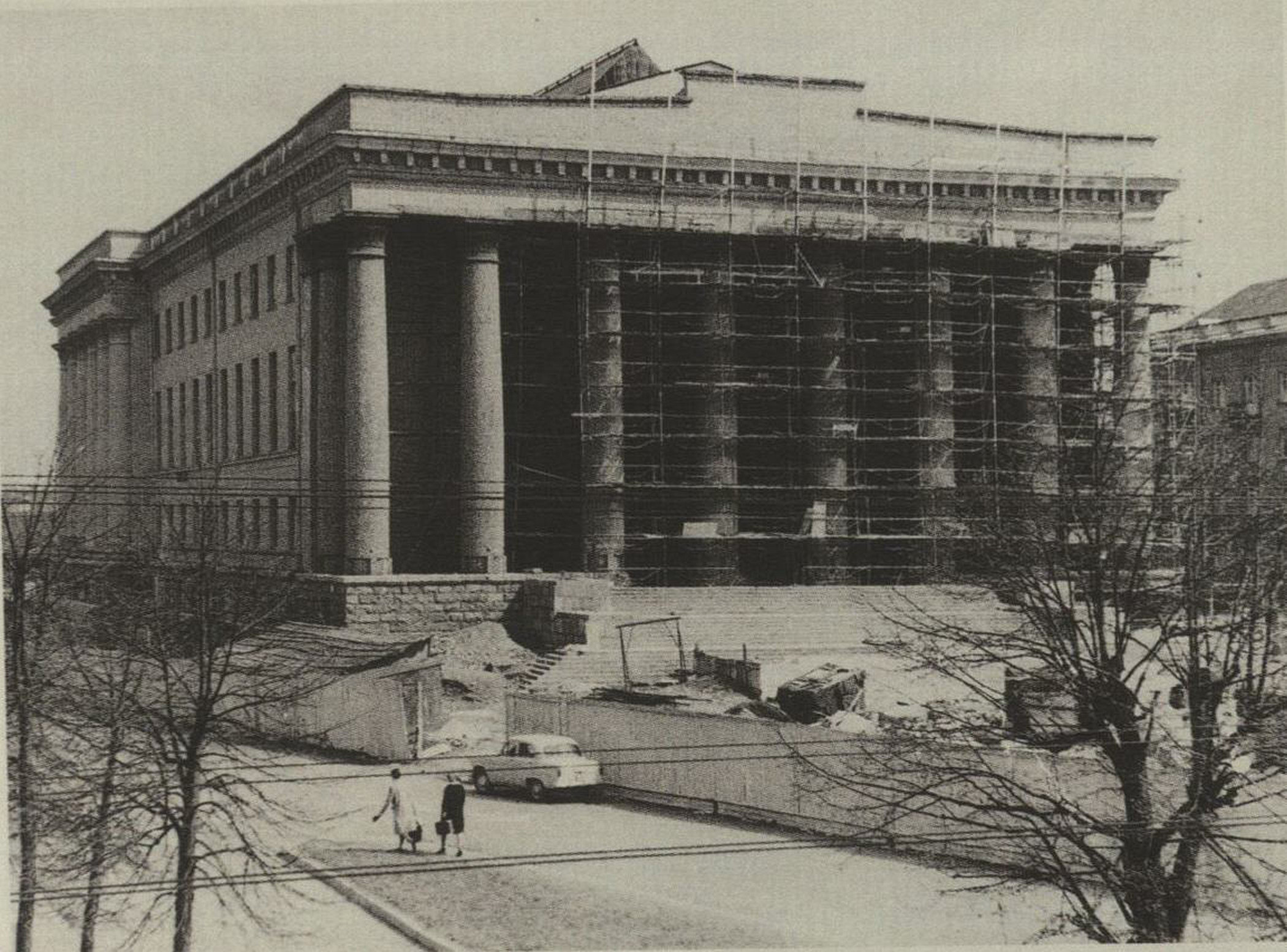 Construction works of the library © Archives of the National Library of Lithuania
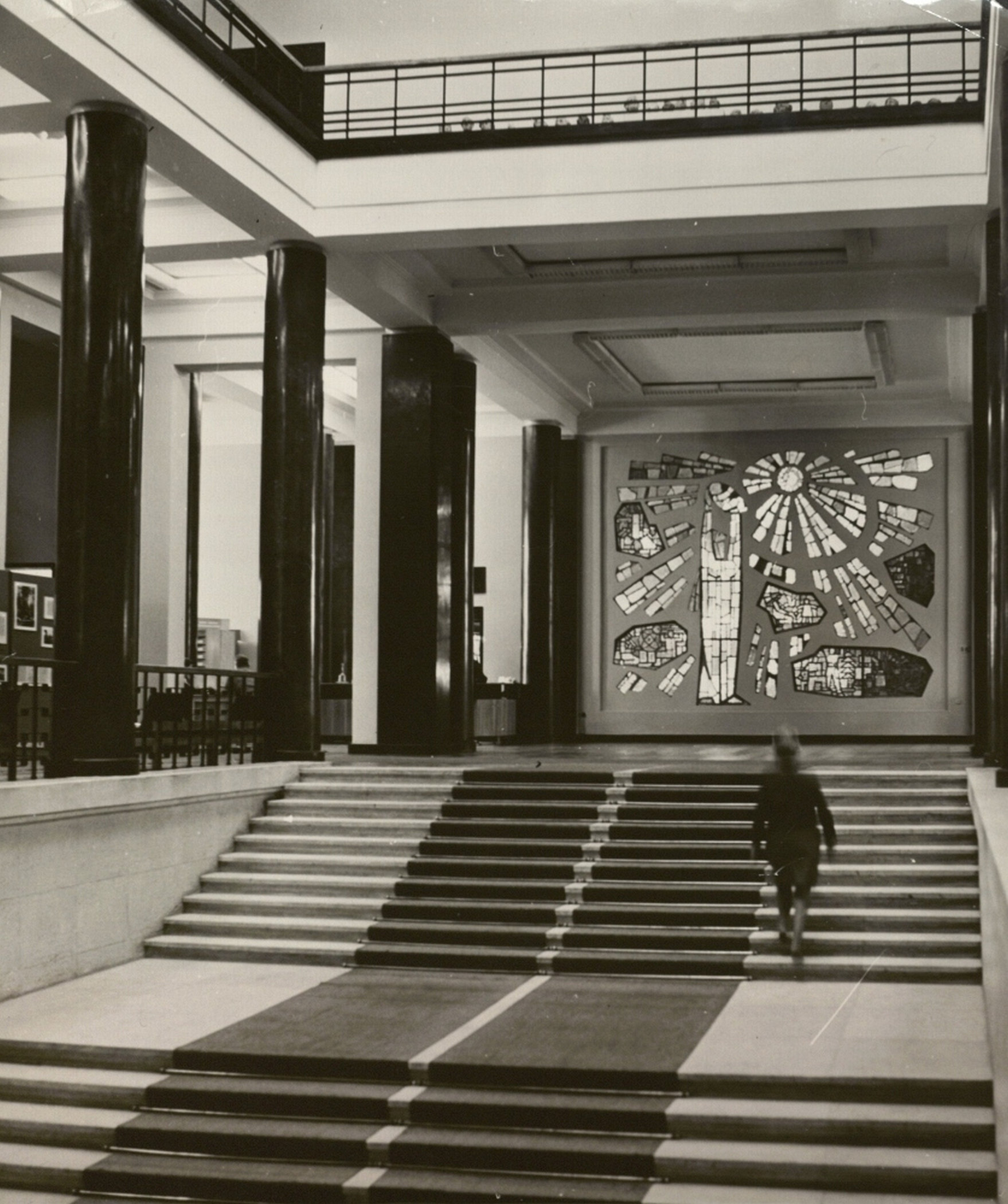 Interior of the library © Archives of the National Library of Lithuania
 Old interior © Archives of the National Library of Lithuania
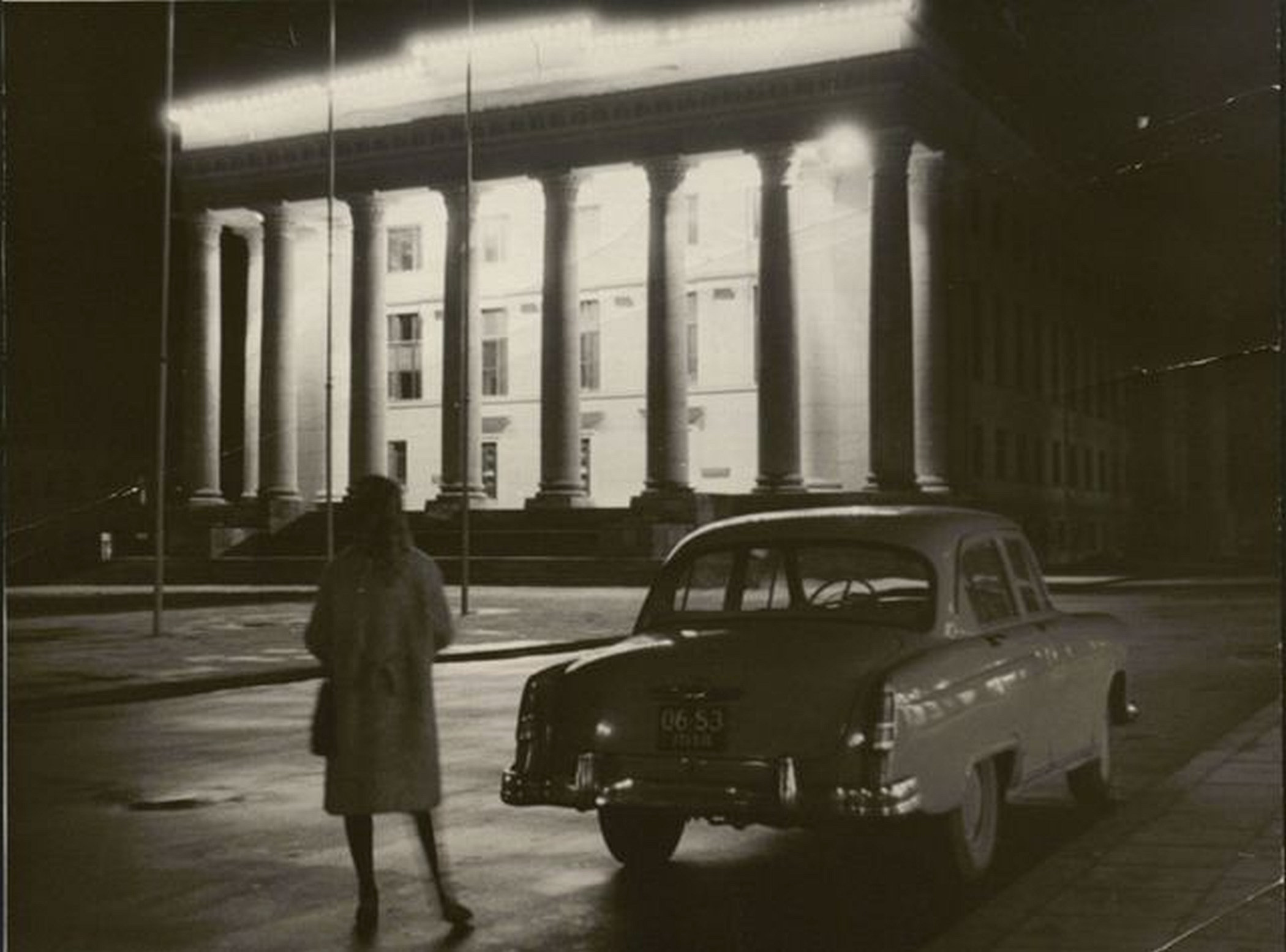 Street view of the library © Archives of the National Library of Lithuania
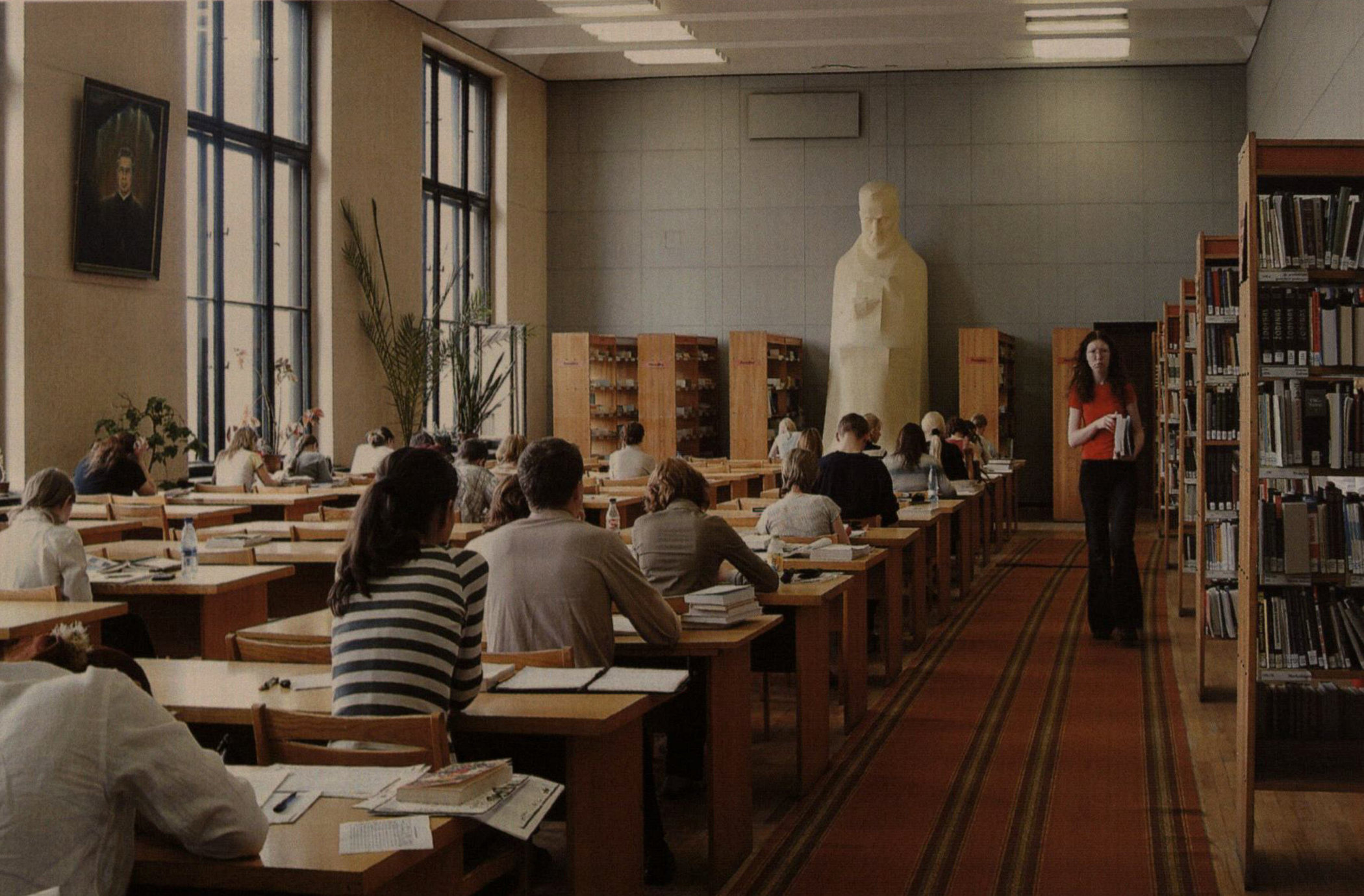 One of the reading rooms © Vaidotas Darulis
 Main entrance of the library © Vaidotas Darulis
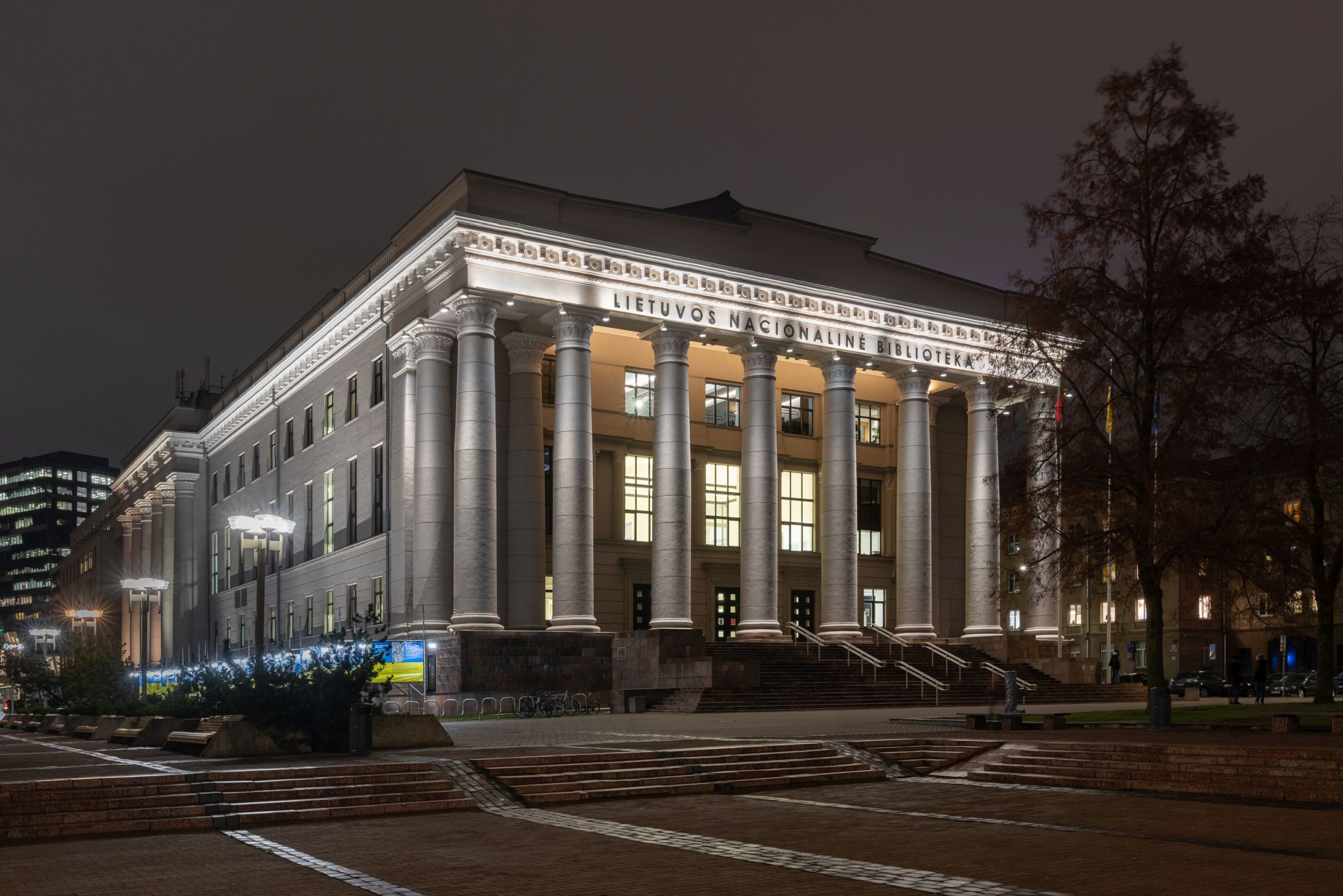 National Library of Lithuania by night © Vaidotas Darulis
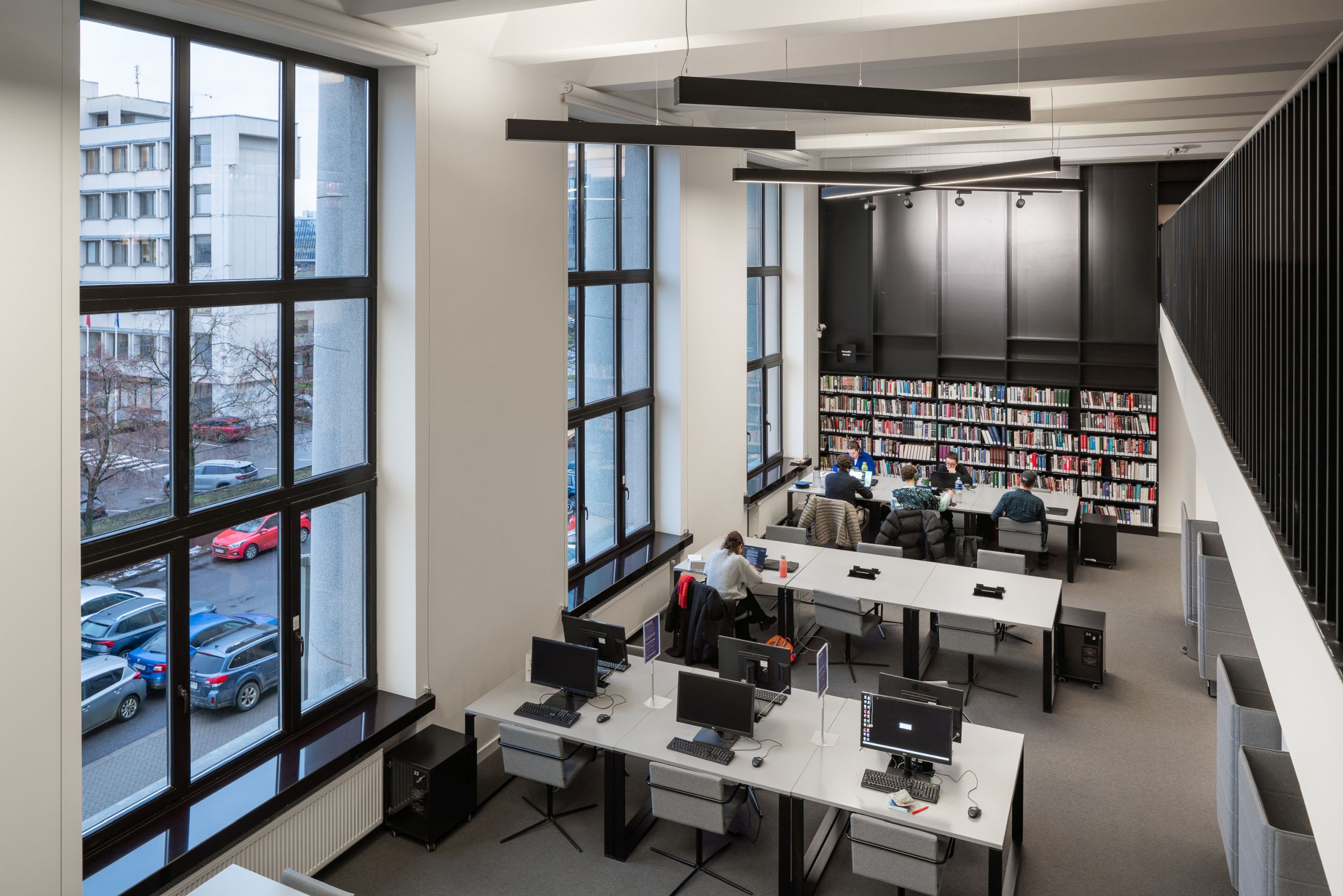 One of the reading rooms © Vaidotas Darulis
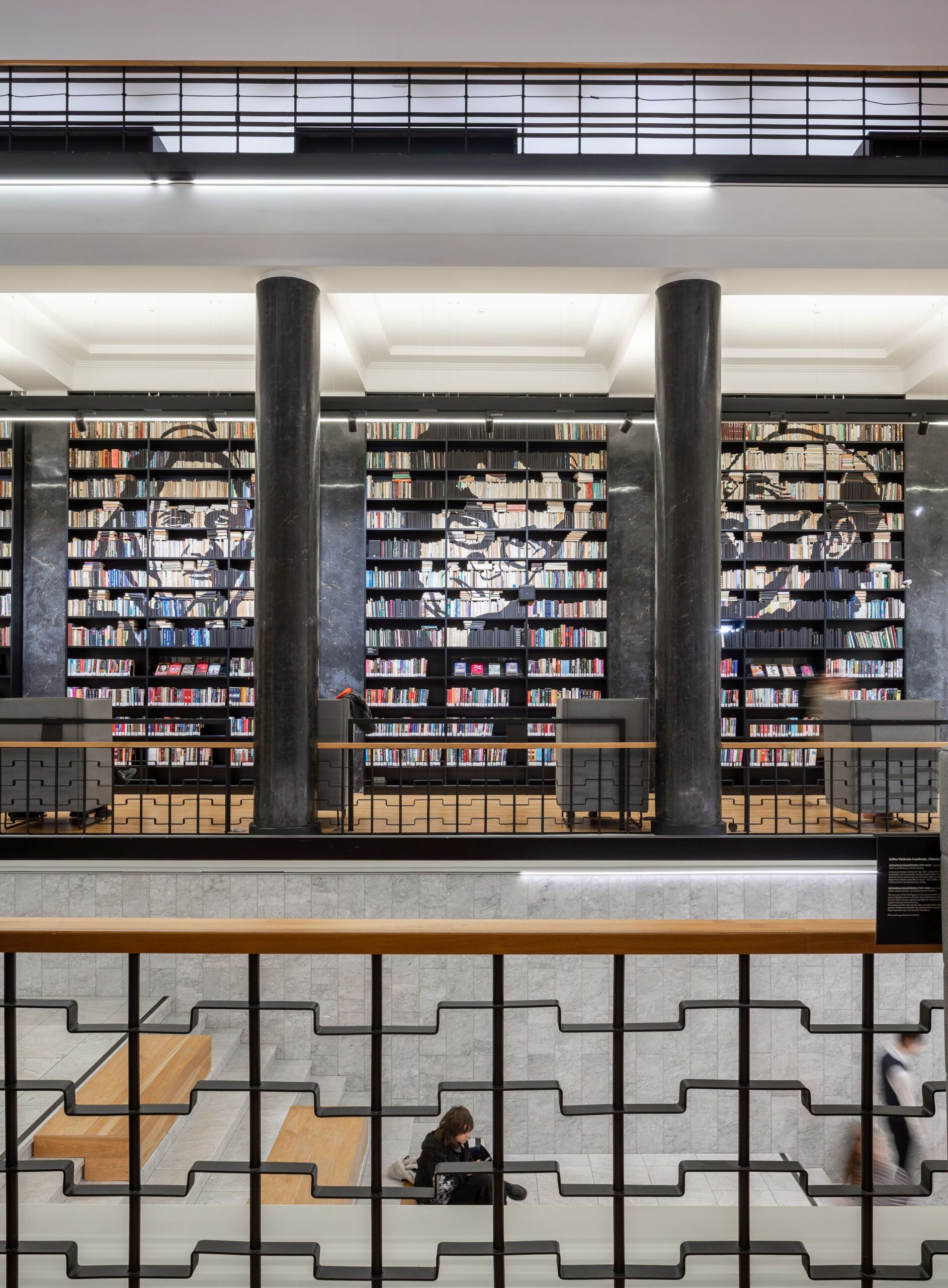 A view to the book instalation Awaken from Books by Jolita Vaitkute © Vaidotas Darulis
 Exterior of the library after reconstruction © Vaidotas Darulis
 Information point © Vaidotas Darulis