


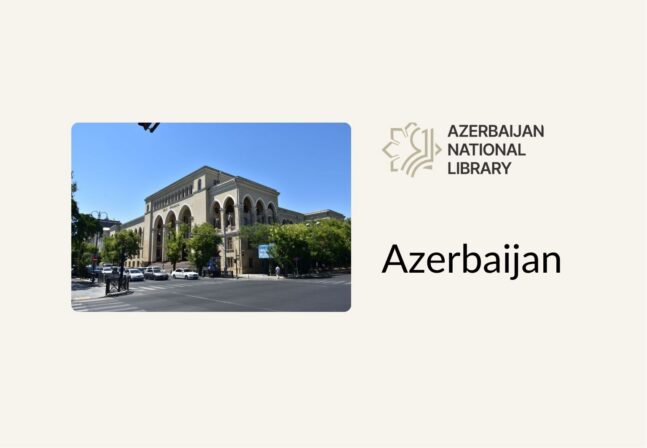
The National Library of Azerbaijan named after M.F. Akhundov
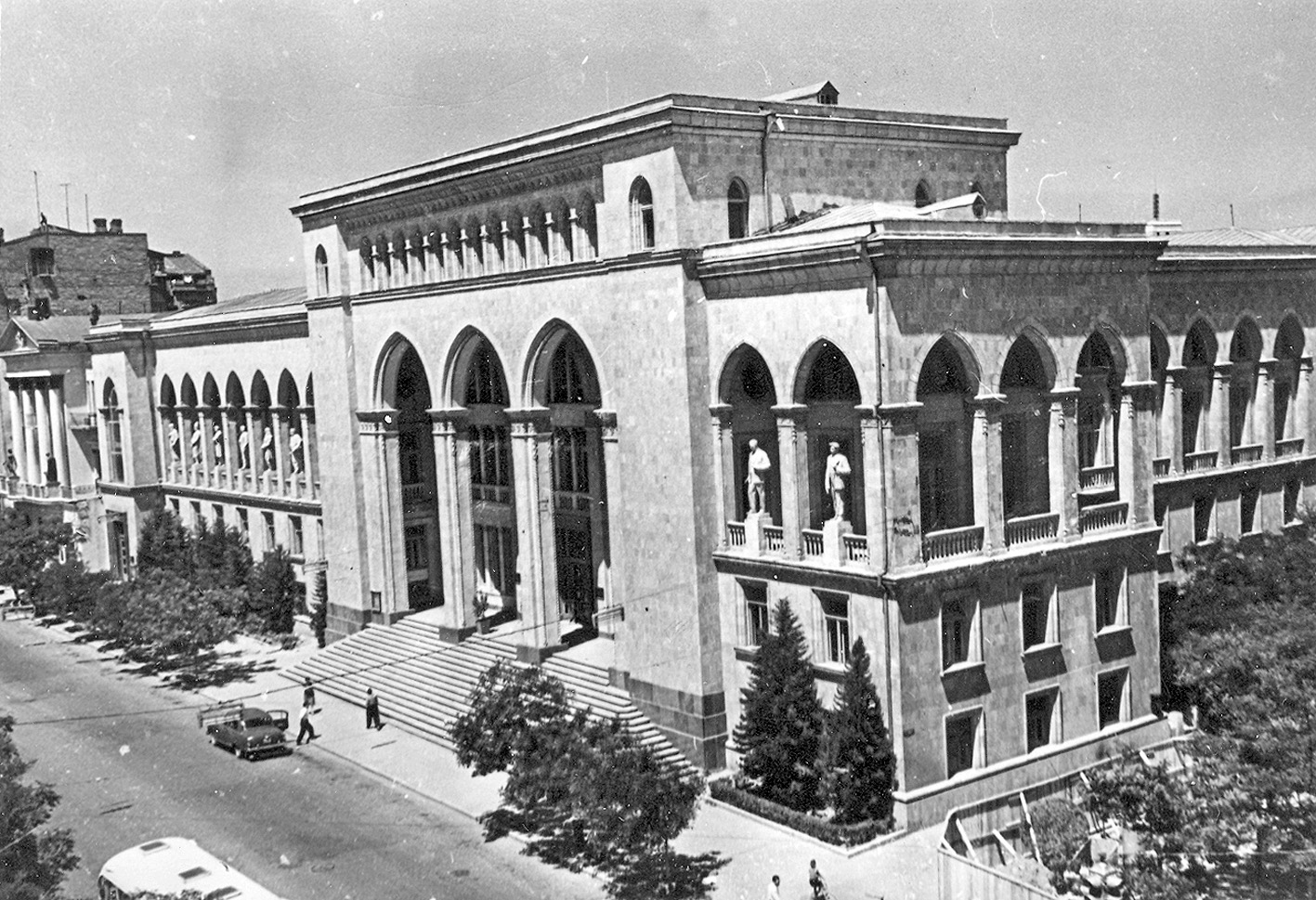
The National Library of Azerbaijan, established on 23 May 1923, serves as the country’s principal national library and information centre. In 2004, by a decision of the Cabinet of Ministers, it was officially granted the status of a “National Library”.
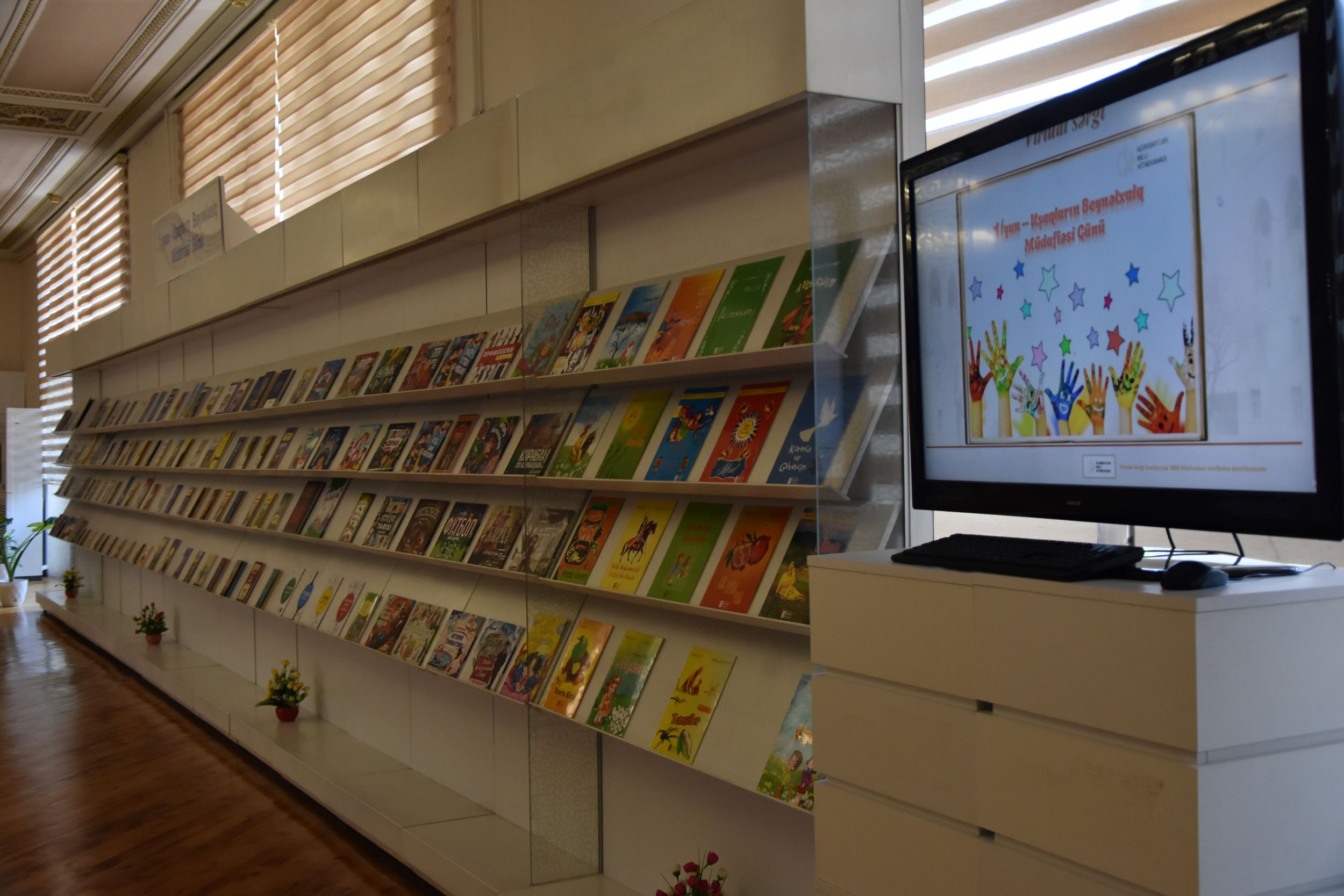
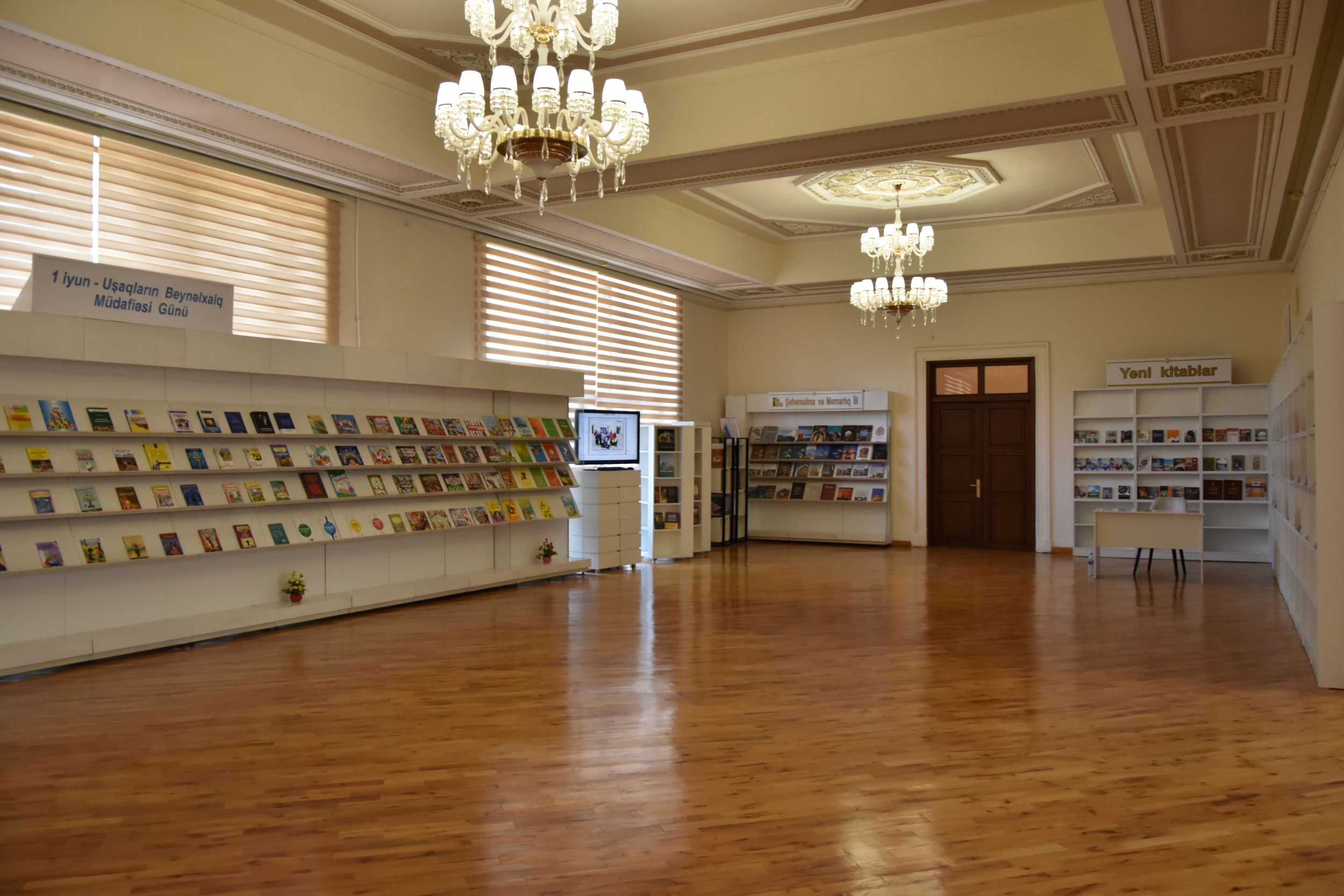
The Library’s collection comprises 4,715,914 items, covering a wide range of scientific disciplines and fields of knowledge. Its Department of Rare Books and Library Museum preserves valuable scholarly works and rare multilingual publications of significant historical and cultural importance.
Since 2003, the Library has implemented an automated management system utilizing the ORACLE-based VIRTUA integrated library software. Its electronic database currently contains 1,801,388 resources. The Library serves 296,365 registered readers and 9,769,785 virtual users, reflecting its extensive national and international reach.The National Library maintains cooperation with national and university libraries in 57 countries and conducts book exchange programs with more than 90 countries worldwide.
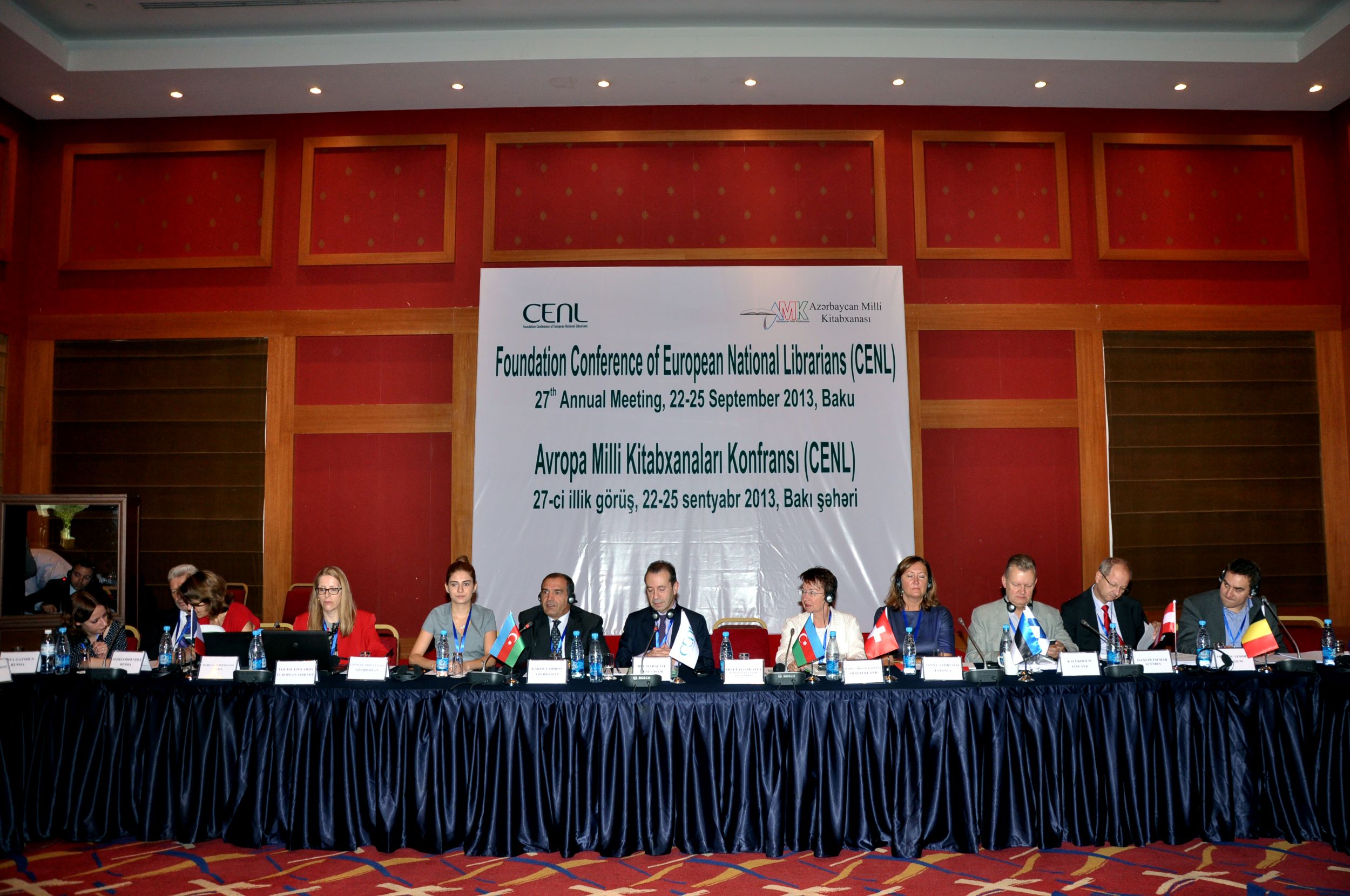
It is a member of several prominent international organizations, including IFLA, CENL, BAE, and other professional associations. In recent years, the Library has prepared and published the New Books Bulletin,the annual Azerbaijani National Bibliography, and the multi-volume bibliography The Azerbaijani Book. More than 150 fundamental bibliographic publications have been issued within the series Prominent Personalities of Azerbaijan.
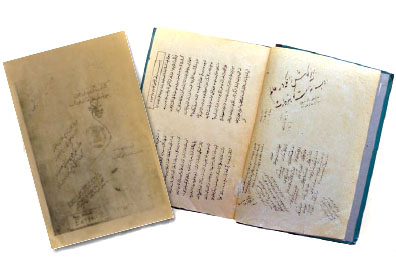
Since 2019, within the framework of the project The Return of Our National Spiritual Values to the Homeland, digital copies of 535 manuscripts have been repatriated to Azerbaijan. Of these, 200 copies have been published and incorporated into the Library’s rare collections.
Extensive international integration enhances the Library’s reputation within the scientific information community, accelerates the development of digital services, and supports the implementation of its innovative development strategy.
Read more on the national library’s page on CENL.
 © National Library of Azerbaijan
  © National Library of Azerbaijan
  © National Library of Azerbaijan
  © National Library of Azerbaijan
  © National Library of Azerbaijan
  © National Library of Azerbaijan
  © National Library of Azerbaijan
  © National Library of Azerbaijan
  © National Library of Azerbaijan
  © National Library of Azerbaijan
  © National Library of Azerbaijan
  © National Library of Azerbaijan
  © National Library of Azerbaijan