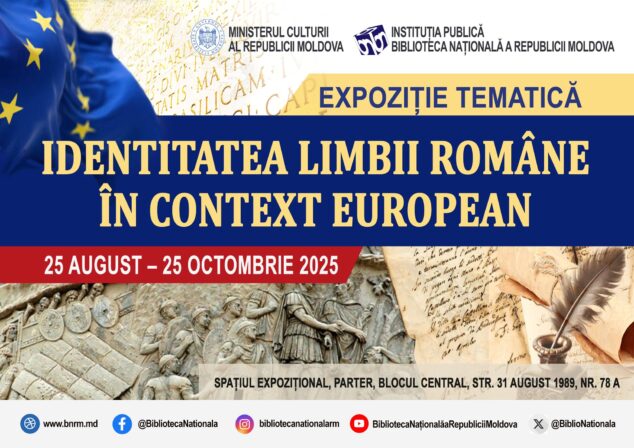
Thematic Exhibition: “The Identity of the Romanian Language in a European Context”
Romanian Language Day, celebrated on 31 August, offers an opportunity to reflect on the history and linguistic richness of a language that shines like a cultural jewel — the only Romance language spoken in Eastern Europe. With a rich heritage and a fascinating evolution, Romanian is more than just a means of communication: it is a powerful symbol of national identity and cultural continuity.
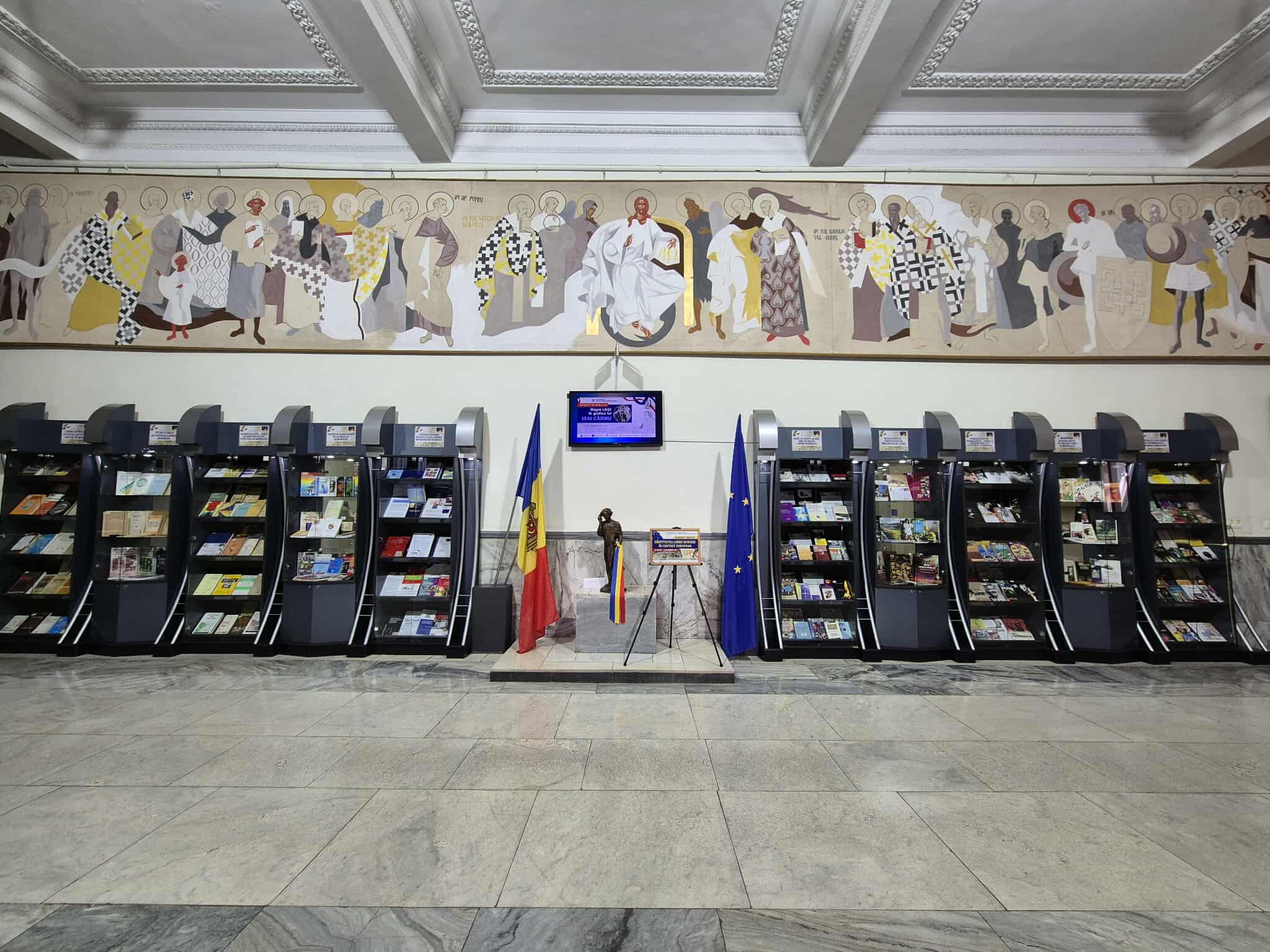
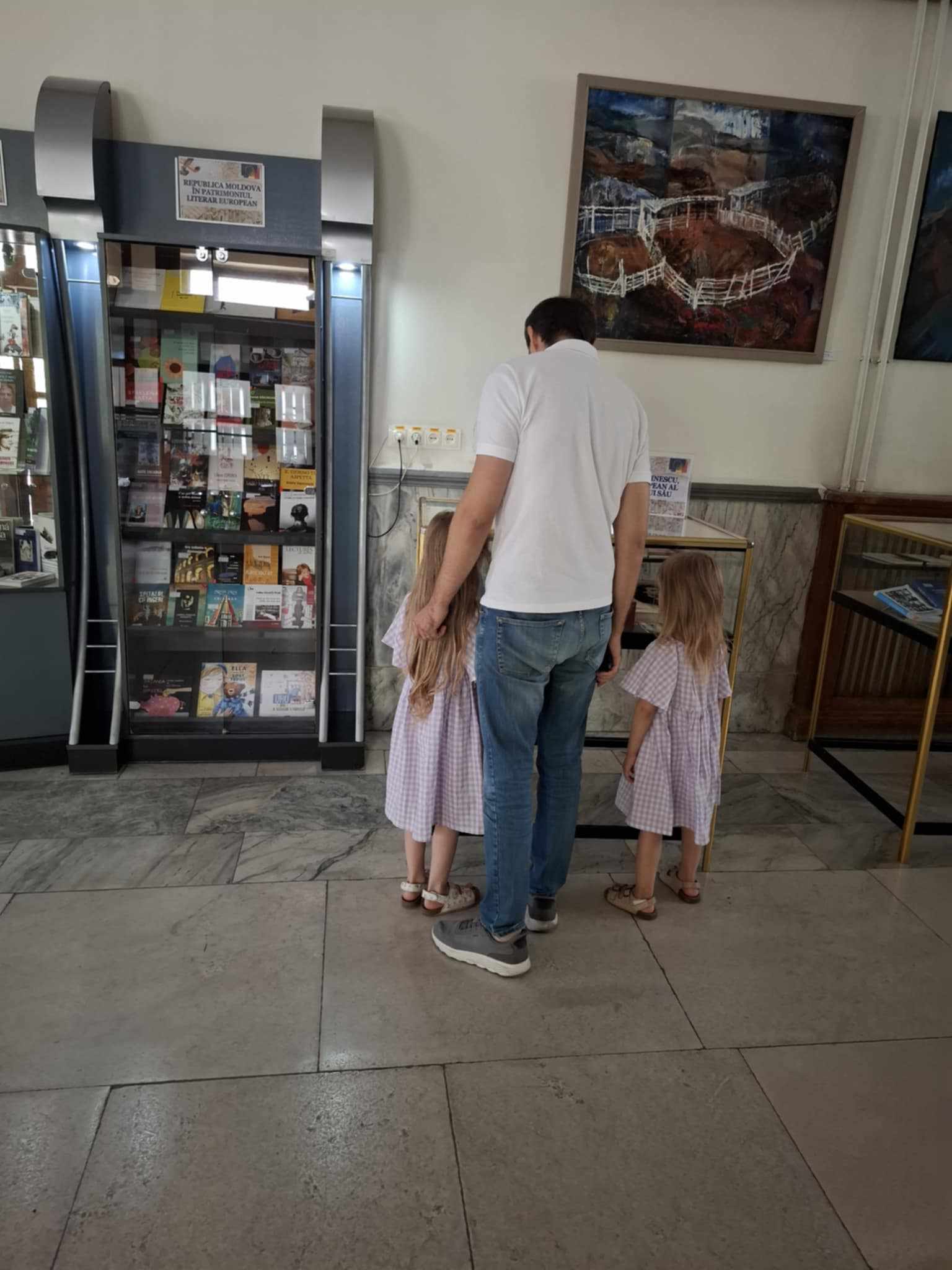
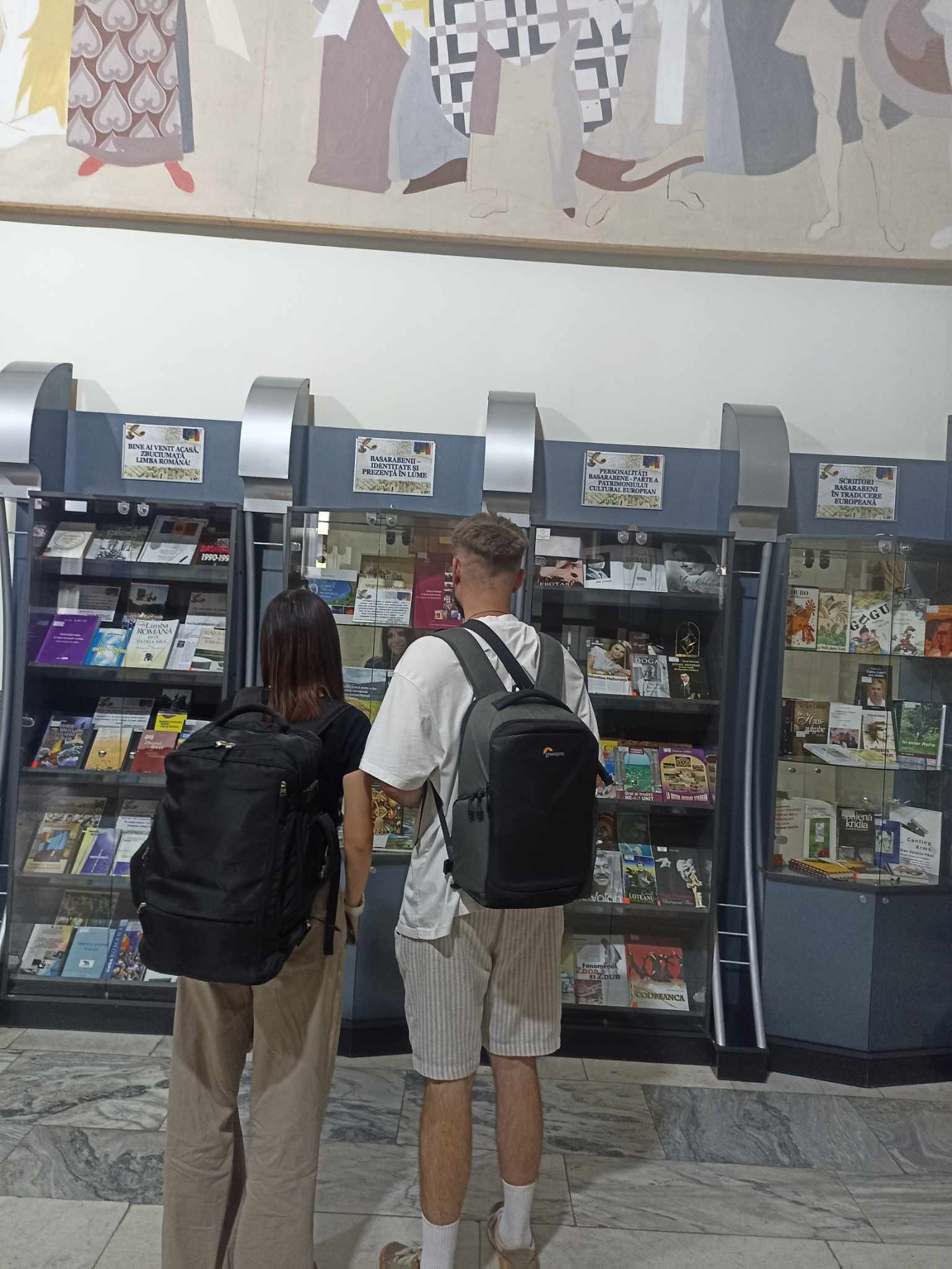
To mark this national celebration, the National Library of the Republic of Moldova is organising a thematic exhibition titled “The Identity of the Romanian Language in a European Context.” The exhibition aims to showcase documents from the Library’s collections that illustrate the contribution of the Romanian language—spoken by over 25 million people and recognized as an official EU language since 2007—to both national heritage and the broader European cultural space.
The exhibition features:
Linguistic data that trace the historical evolution of the Romanian language and shed light on its true origins;
Historical documents reflecting the tumultuous history of the Romanian people, marked by acts of heroism in defending ancestral lands, rights, and freedoms—moments that are not only pivotal in Romanian history, but also part of Europe’s shared legacy;
Archives about Bessarabian personalities as integral figures of the European cultural heritage, whose significant contributions in fields such as art, literature, science, and politics have enriched the European intellectual landscape.
A total of 280 selected documents are organised into 14 thematic sections:
Romanian – A Latin Voice in Eastern Europe
Focused on the Romance origins of Romanian, highlighting its unique status as the only Latin-derived language in this part of Europe.
Etymology and Genesis of the Romanian Language
Presents the historical formation of the Romanian language and its preservation of Latin roots.
Romanian Identity – Voice and Presence in the European Union
Emphasizes the role of Romanian as an official EU language, a voice of national identity, and a contributor to European cultural diversity.
Romanian Destinies in the European Lights
Portraits of influential Romanian figures—scholars, scientists, artists, and political leaders—who have elevated Romanian identity at the European level.
Strengthening the Status of the Romanian Language in Europe
Highlights political, academic, and cultural efforts to promote and affirm the Romanian language internationally.
Welcome Home, Struggling Romanian Language!
A symbolic and emotional space dedicated to the Romanian language’s resilience in the face of historical hardships—bans, Russification—and its rebirth and recognition as a national and official language.
Bessarabian Personalities – Part of Europe’s Cultural Heritage
Celebrates key Bessarabian figures who shaped and contributed to European culture and knowledge.
Bessarabians – Identity and Global Presence
Showcases the Moldovan/Bessarabian diaspora and how Romanians abroad have preserved their identity and enriched the global community.
Bessarabian Writers in European Translation
Illustrates the openness and international relevance of Bessarabian literature, through translations into EU languages.
The Republic of Moldova in the European Literary Heritage
Highlights the role of Moldovan literature and culture in enriching Europe’s literary mosaic and its recognition as shared cultural heritage.
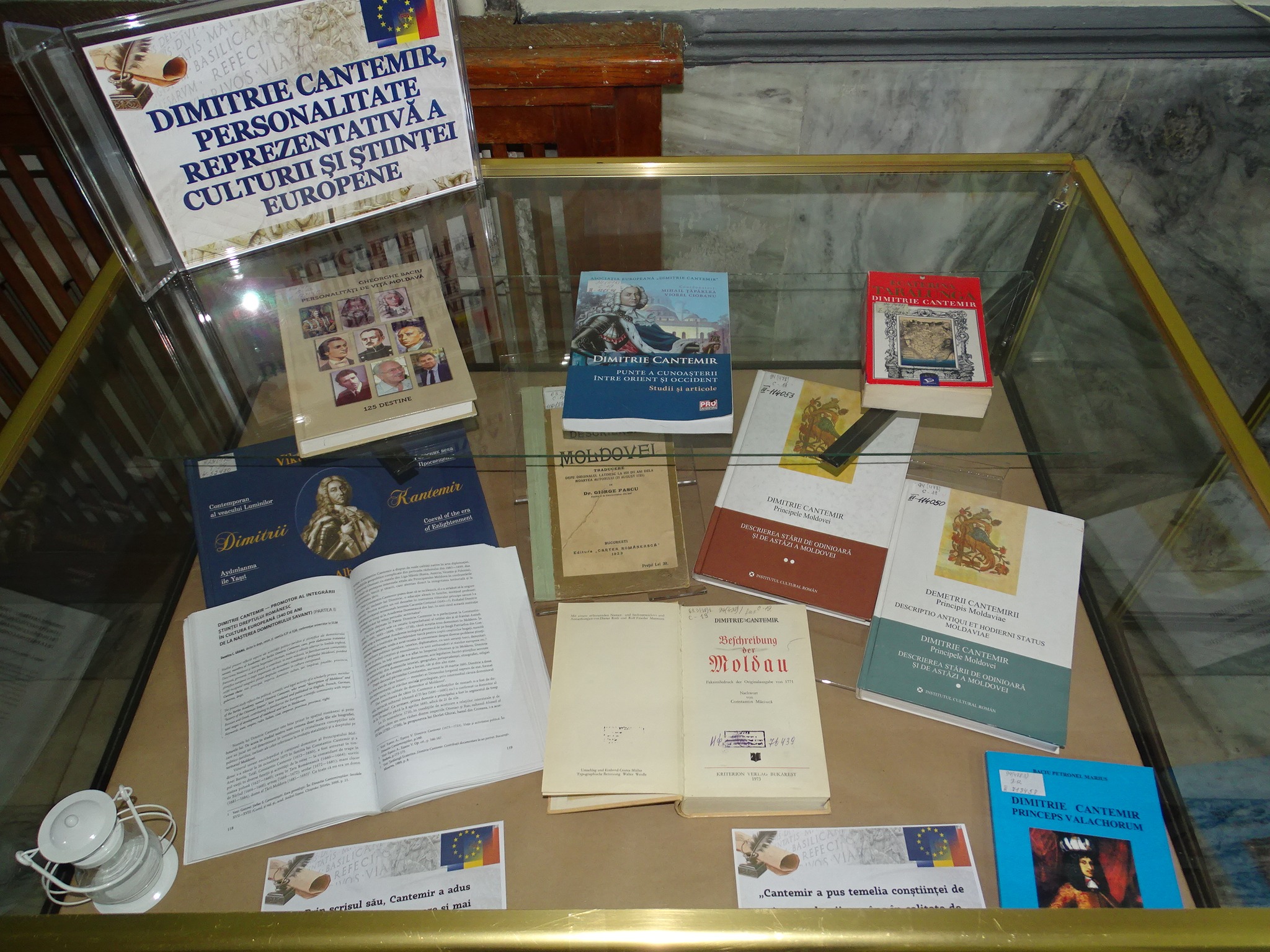
Dimitrie Cantemir – A Representative of European Culture and Science
Recognizes Cantemir’s erudition and European prestige as a scholar, encyclopedist, and political thinker of global significance.
Nicolae Iorga – A Romanian Destiny in the European Lights
Emphasizes Iorga’s achievements as a historian, cultural leader, and diplomat whose work enhanced Romania’s image in Europe.
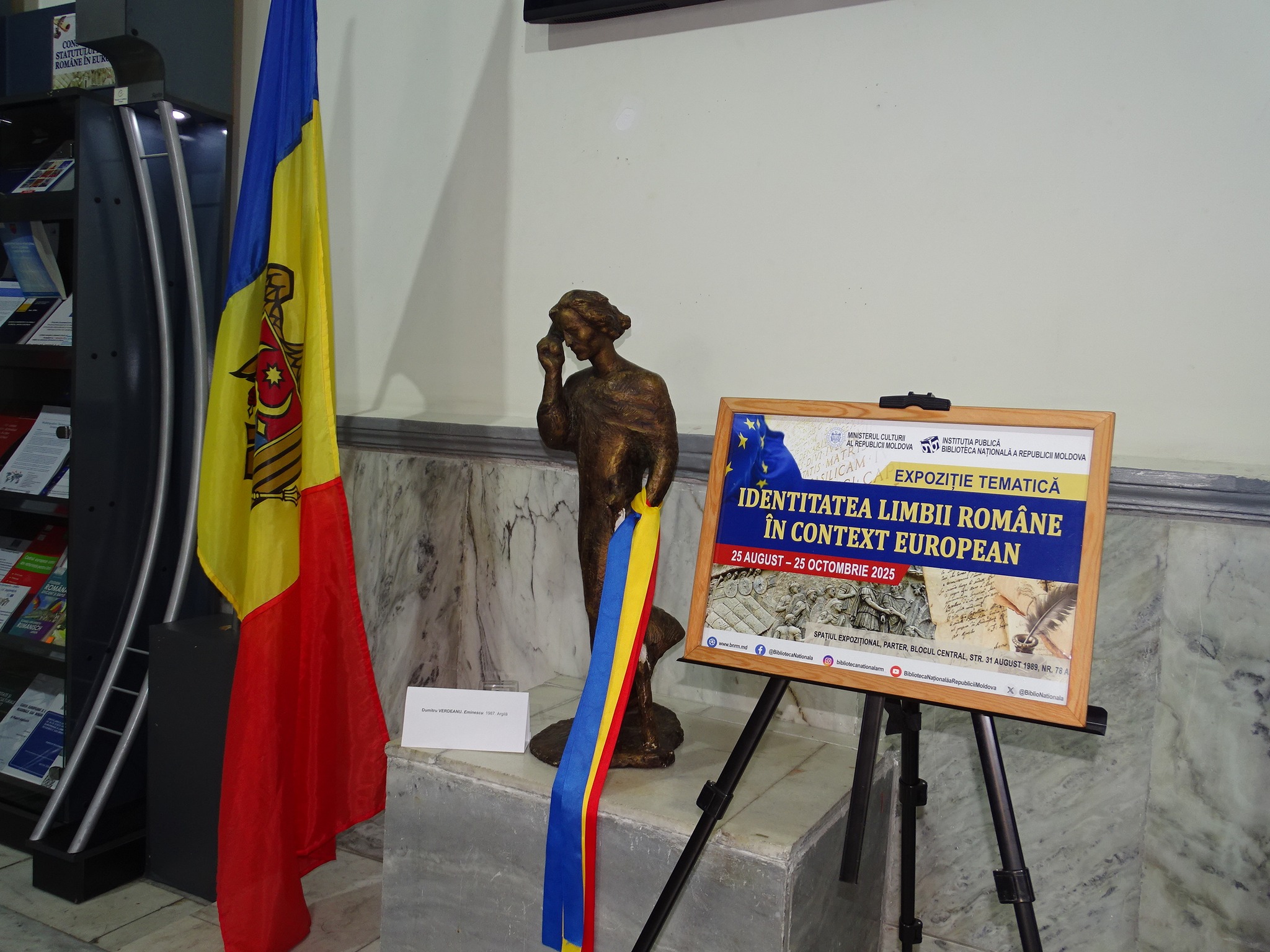
Mihai Eminescu – A European of His Time
Portrays Eminescu not only as Romania’s national poet but also as a European intellectual engaged with the philosophical and literary currents of his era.
Eugeniu Coșeriu and His Contributions to the Study of Romanian in Western Europe
A tribute to the renowned Bessarabian linguist whose work placed Romanian within the global field of linguistic scholarship.
Featured Works
The exhibition includes historical and scholarly works such as:
The Romanian-Moldo-Vlach Chronicle by Dimitrie Cantemir (1835)
Description of Moldova by Dimitrie Cantemir (1912)
Romanian Chronicles or Chronicles of Moldavia and Wallachia by Mihail Kogălniceanu (1874)
Documents and Fragments on the History of the Romanians (1896)
Our Bessarabia: Written 100 Years After Its Seizure by Russia by Nicolae Iorga (1912)
Five Conferences on Southeast Europe by Nicolae Iorga (1924)
Contemporary History of Romania by Titu Maiorescu (1925)
Romania at the Eastern Border of Europe by Simion Mehedinți (1942)
The Romanian Identity by Alexandru Graur
Romanian Identity in Southeastern Europe by Nicolae Mihăescu
Romanian Identity and the European Union by Victor Crăciun
The Romanian Language in the Face of the West by Eugen Coșeriu
The exhibition also includes volumes by Bessarabian authors translated into EU languages, as well as books written by Moldovan-born authors living abroad, including:
Spiridon Vangheli, Vladimir Beșleagă, Grigore Vieru, Nicolae Dabija, Ion Hadârcă, Val Butnaru, Lilia Biceac, Tatiana Țîbuleac, Dumitru Crudu, Iulian Filip, Olga Căpățînă, Lucreția Bârlădeanu, Lorina Bălteanu, and others.
Visiting Details
Open to the public: 25 August 2025 – 25 October 2025
Location: Exhibition Hall, Ground Floor, Central Building
Address: 78A, 31 August 1989 Street, National Library of the Republic of Moldova
Authors:
Ludmila Erusevschi, main specialist of Marketing and Socio-Cultural Communication Section
Veronica Borș, vice director of Communication and Information Technology Department
Translated by: Mariana Kiriakov, main specialist of Managerial Support and International Relations Section



 © National Library of Moldova
  © National Library of Moldova
  © National Library of Moldova
  © National Library of Moldova
  © National Library of Moldova
  © National Library of Moldova