


The National Library of Sweden (Kungliga biblioteket) has completed a four-year project to digitise and catalogue 176 medieval Latin manuscripts, making some of the country’s most valuable historical sources freely accessible online. Almost 59,000 images have been created and published through the digital catalogue Manuscripta, allowing scholars and the public alike to explore manuscripts that were previously available only to a limited number of readers.
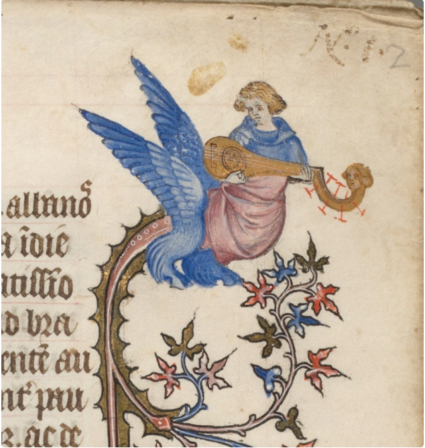
The collection offers a unique window into medieval Europe. While many of the manuscripts are classified as theological works, they encompass a much broader spectrum of knowledge, including philosophy, liturgical music, university teaching materials, monastery records, and biblical texts. Together they document the intellectual, religious, and cultural life of medieval Sweden and its European connections.
Among the highlights is the richly illuminated manuscript known as Queen Christina’s Bible, produced in Paris in the mid-fourteenth century and renowned for its exquisite decoration. Other manuscripts reveal the practical realities of medieval learning, from university study texts to monastic working copies and collections of religious music written in medieval notation.
The project also sheds light on the remarkable journeys these manuscripts have taken. Some originated in Swedish monasteries, including Vadstena Abbey, while others entered Swedish collections through royal acquisitions, scholarly collecting, and the upheavals of seventeenth-century Europe. Among the best-known treasures preserved by the library is the eighth-century Codex Aureus, one of Sweden’s most celebrated medieval manuscripts.